Aiserveon
Aiserveon
Aiserveon
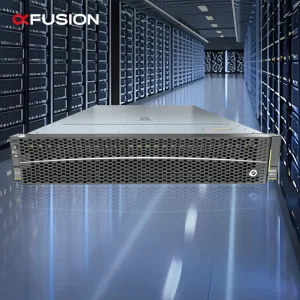
Explore our premium selection of Huawei FusionServer and xFusion rack platforms, certified for structural integrity, electromagnetic compatibility, and mission-critical cloud computing workloads.
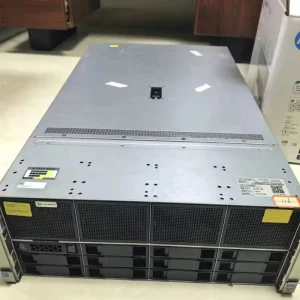
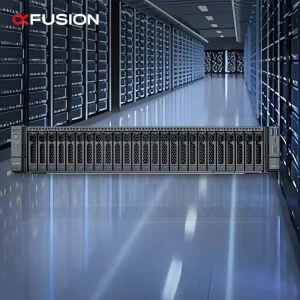
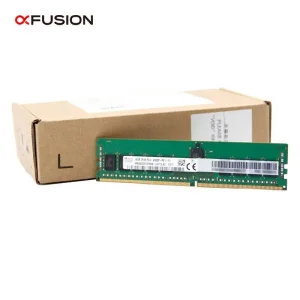
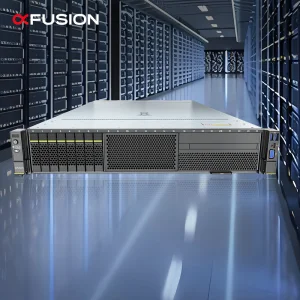
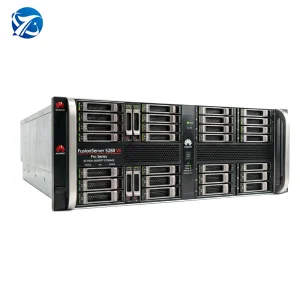
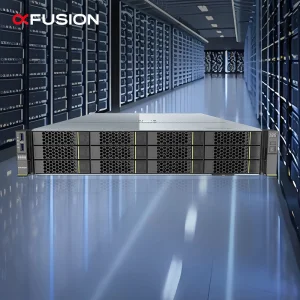
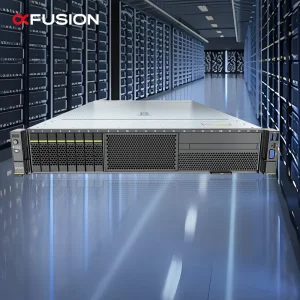
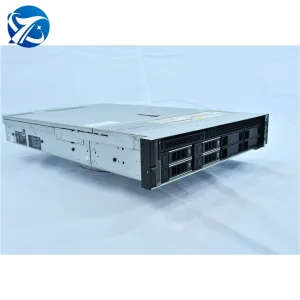
In the era of hyper-scale artificial intelligence models, such as DeepSeek, and massive cloud data processing, hardware infrastructure acts as the fundamental layer determining computing unit economics and reliability. Huawei’s architectural paradigm, transitionally managed under the xFusion and FusionServer design principles, represents a breakthrough in system efficiency, heat dissipation, and modular expansion capabilities.
As enterprises look to expand computing clusters within strict regulatory zones, conformity assessment under the CE (Conformité Européenne) guidelines is no longer a luxury—it is an absolute prerequisite. Certification guarantees compliance with EU standards for health, safety, and environmental protection, enabling frictionless global integration and cross-border installation.
Choosing a CE certified supplier guarantees structural adherence to EMC directives, ensuring that electromagnetic emissions do not compromise peripheral storage units or network fabric in high-density datacenters.
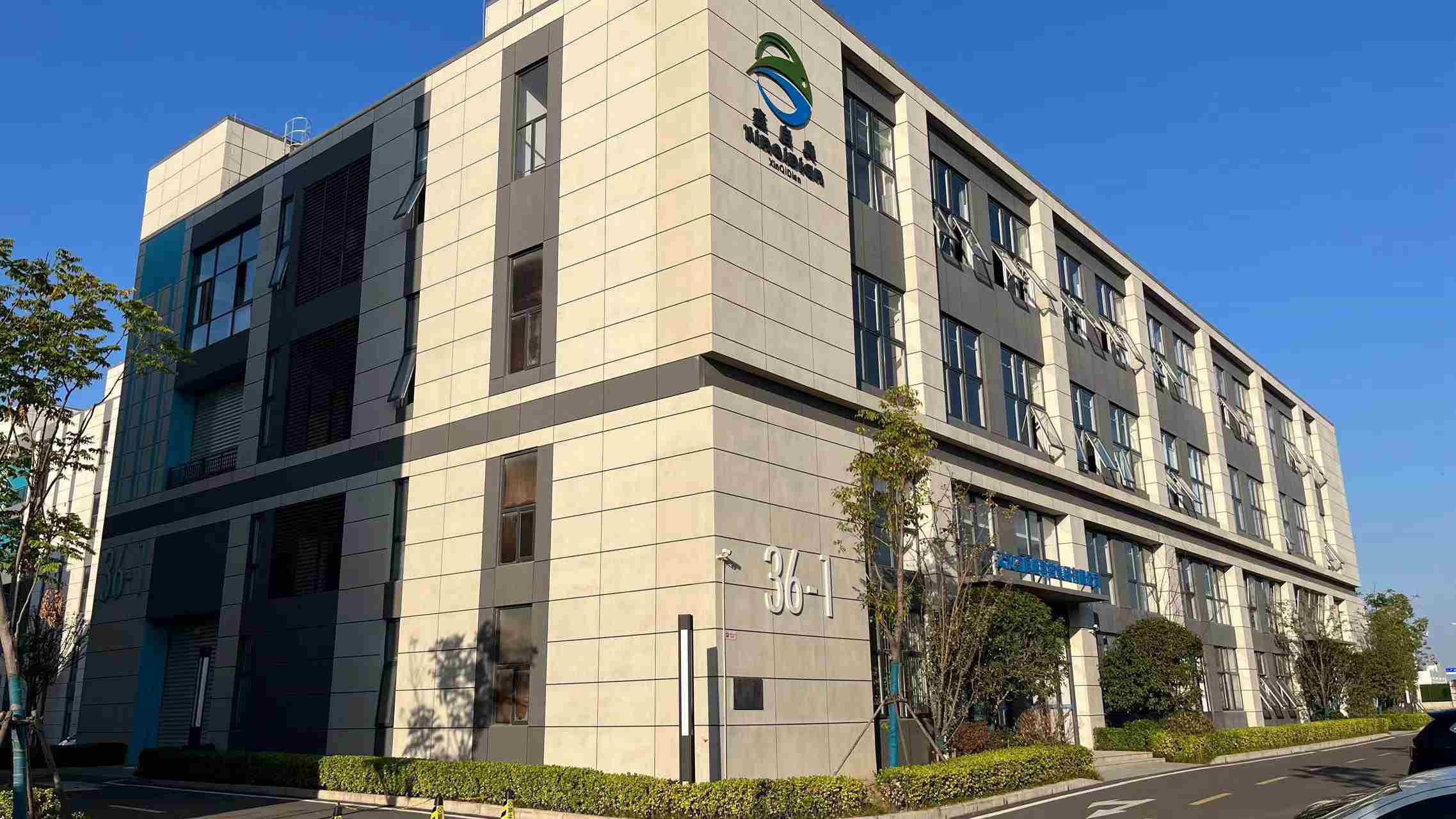
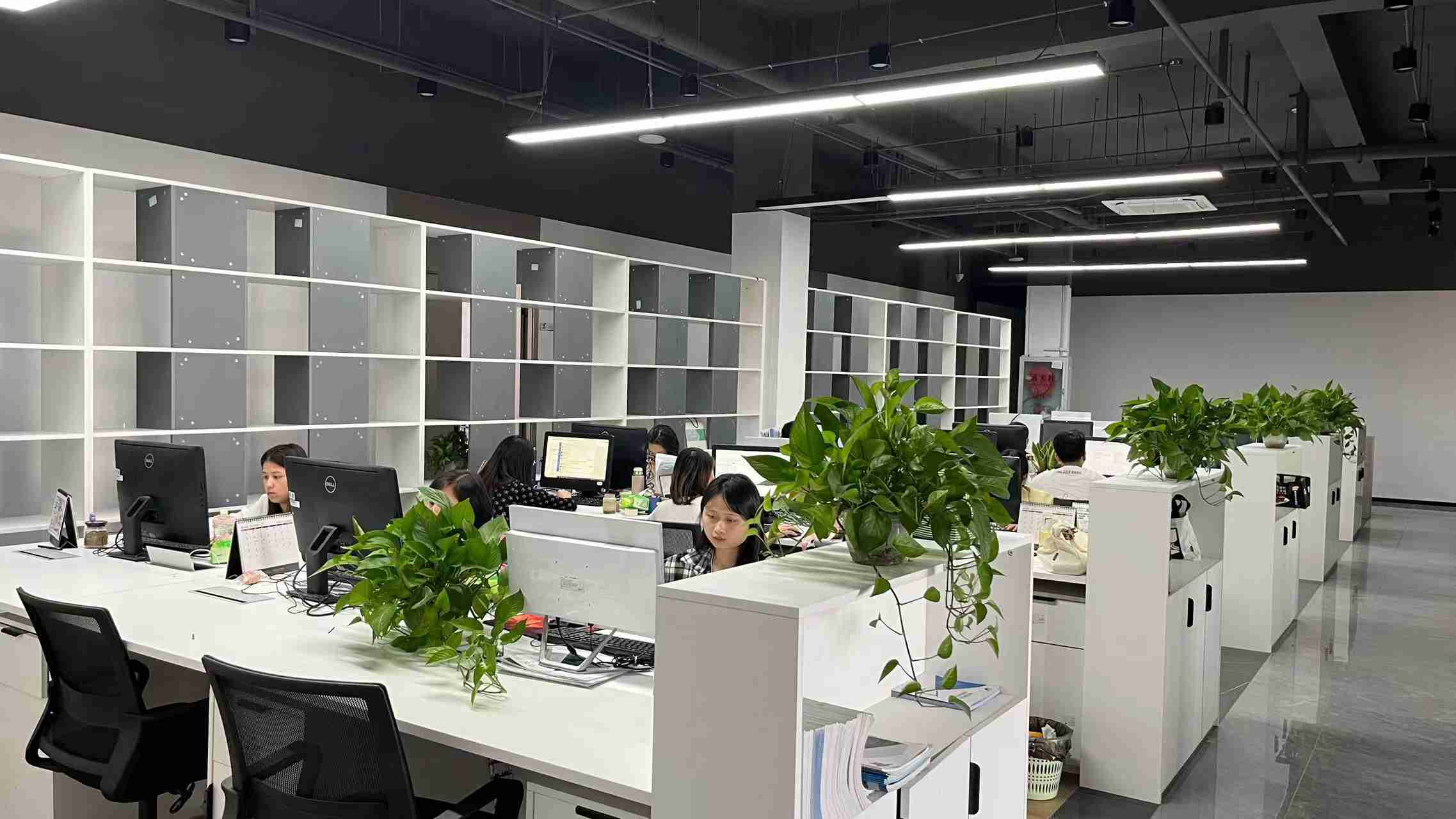
Aiserveon Intelligent Computing Tech Co., Ltd. serves as a reliable global channel and customized OEM/ODM engineering house for high-performance enterprise server lines. Operating within the dynamic tech ecosystem since 2016, the enterprise acts as a bridge between Tier-1 manufacturing facilities in China and global computational centers. With a focused R&D engineering cohort of 85 specialists and a dedicated QC squad of 45 analysts, we ensure that every server configured for the client adheres strictly to factory-original standards and customized performance limits.
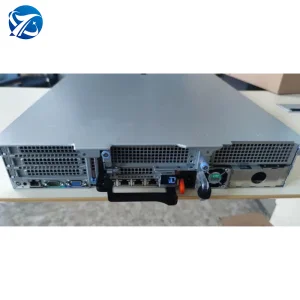
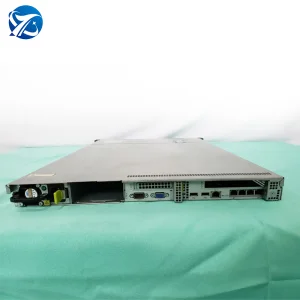
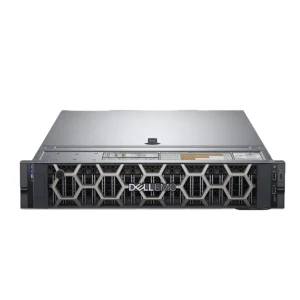
With an operating model engineered around 6 years of direct global exporting, Aiserveon integrates components from over 850 verified suppliers. While our R&D facility covers 320 m² of highly optimized, high-density lab environment for physical design validation and custom BIOS programming, it works hand-in-hand with state-of-the-art collaborative manufacturing facilities across China. This guarantees that whether you are procuring a singular 2U node like the FusionServer 2288H V6 or scaling to an 8U deep learning cluster, the units undergo precise stress testing and compliance verification prior to dispatch.
Evaluating the transition across hardware generations reveals critical shifts in memory bus bandwidth, compute density, and thermal dissipation systems. Understanding these specifications ensures systems engineers select the ideal platform for targeted latency-sensitive workloads.
Constructed around Intel Xeon Scalable Processors of the 1st and 2nd generations, the V5 lineup serves as a cost-efficient, resilient platform for baseline enterprise tasks. It relies on 2933 MHz DDR4 RDIMM modules and PCIe Gen 3 pathways. Despite being an older generation, the V5 is ideal for dedicated network storage, legacy web servers, and entry-level virtualization pools where cost optimization is the primary driver.
Representing a massive developmental leap, the V6 series leverages 3rd Generation Intel Xeon Scalable Processors (Ice Lake). It elevates memory bandwidth to 3200 MHz, utilizing high-density DDR4 ECC memory. Crucially, the introduction of PCIe Gen 4 doubles the system bus throughput, making the V6 highly adaptive for fast NVMe storage configurations, cloud data backups, and distributed high-capacity SQL engines.
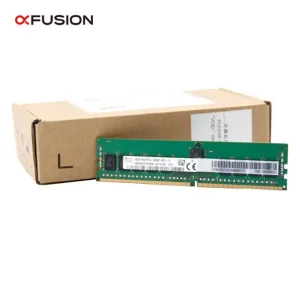
Built for the cutting edge, V7 architectures implement DDR5 memory technologies reaching speeds up to 6400 MHz (such as the high-speed XFusion DDR5 RDIMM 1.1V arrays). Featuring compatibility with 4th and 5th Gen Intel Xeon Scalable CPUs or alternative custom computing engines, V7 machines excel at running advanced AI inference operations, hosting high-performance computing clusters (HPC), and provisioning massive database workloads.
The capability of Aiserveon to reliably source, configure, and export Huawei and xFusion server assemblies stems directly from the company's geographical location in Shenzhen, China. Shenzhen represents the global epicentre of electronics components manufacturing, board layouts, and high-precision thermal mechanics.
This industrial density guarantees that spare parts, replacement memory modules (such as our high-durability DDR4 3200 MHz and DDR5 6400 MHz ECC blocks), and customizable backplanes are always available at minimal lead times. When global component shortages halt western manufacturing facilities, our direct pipeline to primary component fabricators keeps server assembly lines running continuously.
Moreover, our network logistics structure mitigates typical customs friction. Because we certify our processes and products to meet the safety expectations of European, North American, and Southeast Asian regulators, the logistics pathway is predictable and secure, from initial board component loading to international sea or air transport.
Servers are only as valuable as the workloads they efficiently process. In our engagements with enterprise clients across different regions, we have optimized the FusionServer platforms for a variety of critical execution models:
With the rise of large language models like DeepSeek, deep learning inference has transitioned from hyper-scale data centers to private enterprise clouds. Systems like the **xFusion G8600 V7** (an 8U multi-GPU high-density computing monster) or the **xFusion 2288H V5** configured with secondary accelerator cards provide the high memory throughput and tensor performance required for localized LLM execution. Running models locally preserves data privacy while lowering transaction costs.
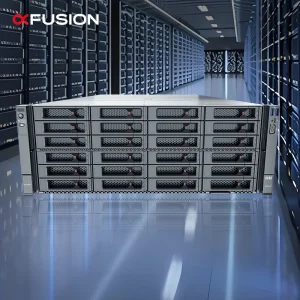
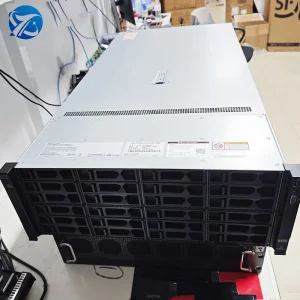
For enterprises running big data analytics frameworks (Hadoop, Spark) or active storage grids, the **FusionServer 5288 V6 4U Rack Server** is unmatched. Its structural design permits the mounting of multiple high-capacity 3.5-inch SAS/SATA drives, transforming the system into a massive data tier. This configuration ensures that hot analytics pipelines and cold backup nodes share the same robust hardware architecture, simplifying spare parts inventory and operational training.
Highly dense processing units like the **FusionServer 2488H V7** (a multi-socket computing powerhouse) are optimized for hypervisors like VMware ESXi or open-source KVM setups. Supported by large channels of DDR5 ECC memory, these servers handle hundreds of distinct virtual container systems simultaneously, ensuring low jitter and absolute operational stability.
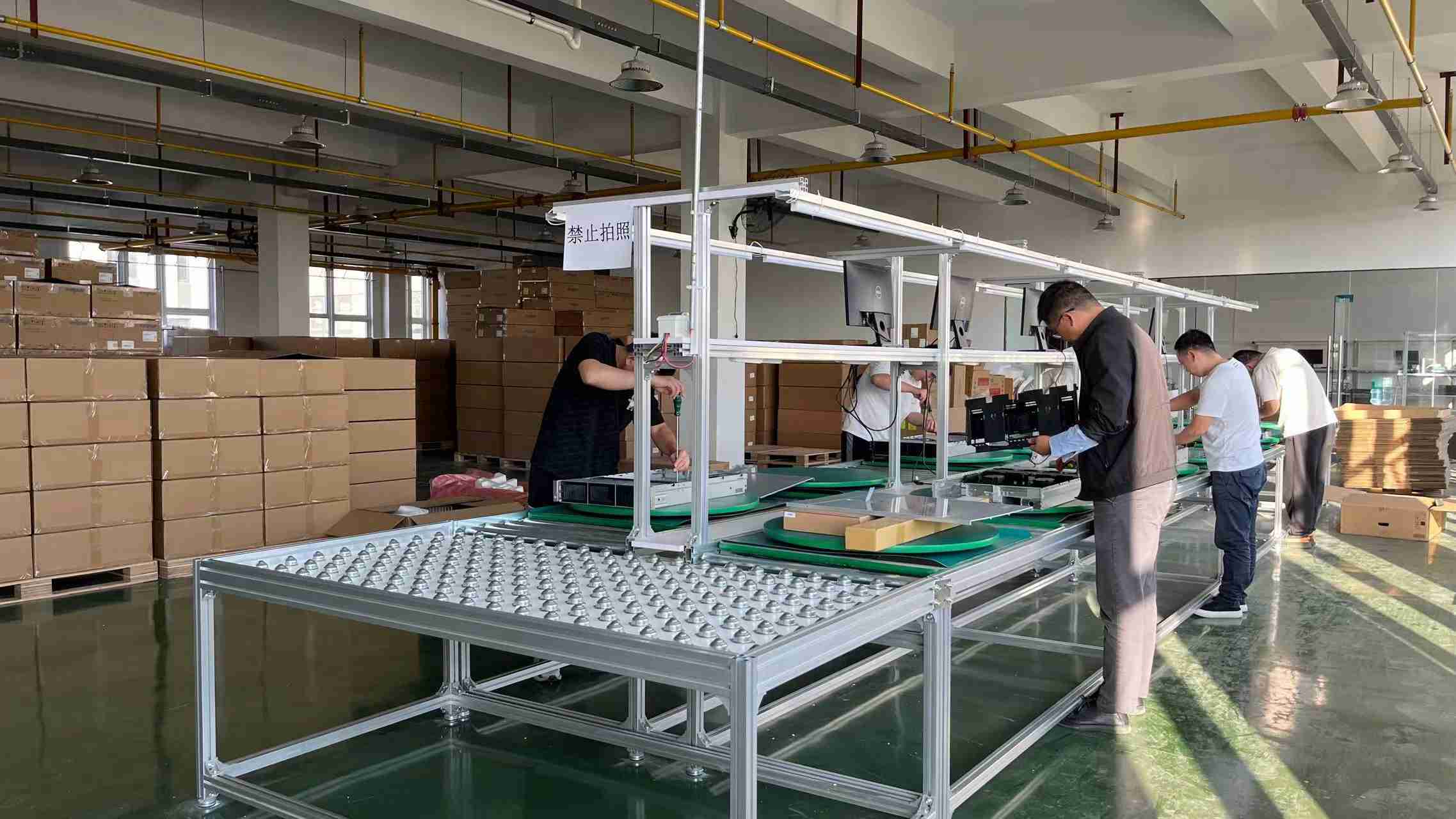
Aiserveon maintains a strict quality control workflow that targets the prevention of system failure at every step of assembly and integration. Our 45 dedicated QC engineers track compliance with the following rigorous protocols:
Every DRAM chip, PCIe controller, and capacitor is inspected and validated prior to component assembly.
Visual and mechanical checks throughout the physical server assembly, including routing verification and torque monitoring.
High-load thermal stress tests, automated burn-in cycles running for 72 hours, and detailed port integrity checks.
Packaging integrity verification, component list auditing, and double-checking CE and global shipping documentation.
By utilizing AQL (Acceptance Quality Limit) sampling strategies alongside 100% burn-in practices on all specialized AI nodes, the team achieves a hardware-level defect rate far below the industrial benchmark. Full product traceability ensures that in the unlikely event of component failures, the batch context can be diagnosed instantly, minimizing downtime for enterprise workloads.
Computing requirements are scaling faster than silicon efficiency improvements. Over the next decade, the industry must prepare for shifts in liquid cooling systems, advanced interconnect standards, and highly custom silicon layouts:
As TPU and GPU thermal designs exceed 500W per module, traditional air cooling is hitting physical limits. The future roadmap of FusionServer systems incorporates hybrid liquid loop blocks routing directly to processing elements, reducing fan energy overhead by up to 40% and overall PUE (Power Usage Effectiveness) in the data center.
With CXL, system memory pools can be dynamically shared between host CPUs and high-performance accelerator cards. This approach removes PCIe data pipeline bottlenecks, enabling real-time big data processing on large memory layers.
Originally developed as the server business unit of Huawei, the server division was restructured as xFusion, an independent computing infrastructure entity. The architectural lineage, engineering patents, BIOS systems, and assembly layouts remain tightly integrated, guaranteeing that xFusion hardware operates with identical stability and engineering principles as Huawei FusionServer platforms.
CE (Conformité Européenne) Certification confirms that our server designs conform to European standards for health, safety, and environmental protection. For systems integrators and enterprise hosts, this certification speeds up customs clearance, simplifies insurance audits, and meets regulatory requirements inside all EEA data centers.
Absolutely. High-density compute systems like the xFusion FusionServer G8600 V7 or GPU-expanded 2288H systems are designed to support heavy parallel processing. Combined with fast NVMe storage layers and high-bandwidth DDR5 modules, they handle localized deep learning models like DeepSeek-R1 for secure inference and private enterprise workflows.
Every memory kit, including our DDR4 RDIMM 3200MHz and DDR5 6400MHz ECC chips, undergoes strict validation testing. This includes signal integrity verification, thermal cycling, and parity-check audits under system stress to prevent multi-bit errors that lead to system crashes.
We provide full customization, including custom cooling setups, BIOS modifications, brand integration, specific PCIe riser card layouts, and complete pre-configured racks ready for immediate deployment in enterprise environments.
Configure your datacenter with certified, high-end server hardware, processing nodes, and DDR memory arrays directly from our integration facility.