Aiserveon
Aiserveon
Aiserveon
High-performance custom GPU storage, enterprise rackmount servers, hyperconverged components, and systems engineered for maximum reliability and scalability.
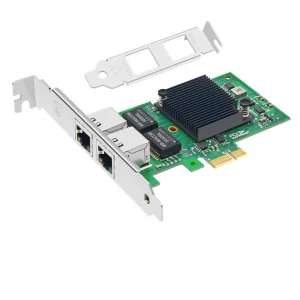
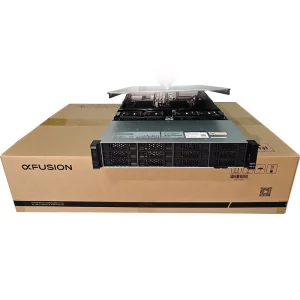
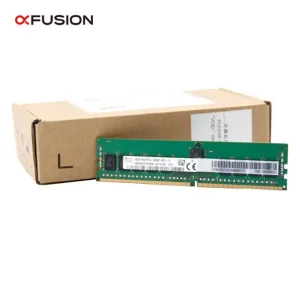
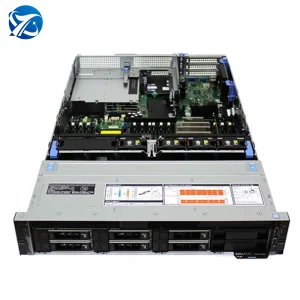
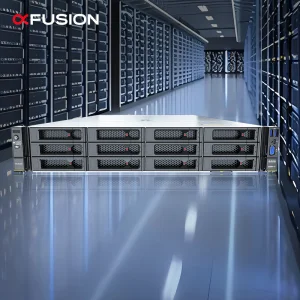
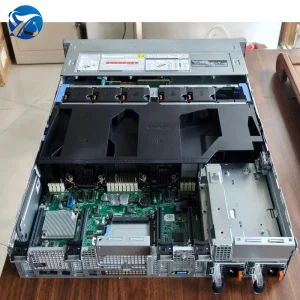
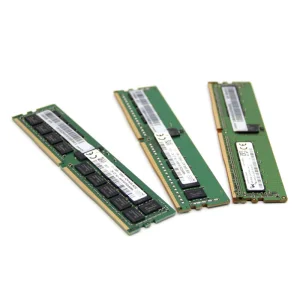
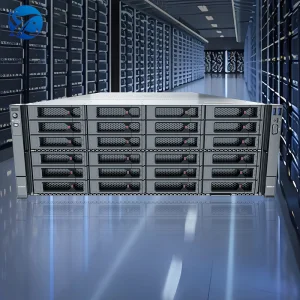
In the era of hyper-scale database management, high-performance computing, and intense AI training workloads (such as DeepSeek and other LLM pipelines), selecting a robust enterprise storage framework is critical. Traditionally, systems like NetApp FAS, AFF, and hybrid cloud infrastructures have served as the benchmark for data-intensive storage architecture. However, global enterprises face a dual challenge: rising capital expenditures and hardware supply chain bottlenecks.
Aiserveon Intelligent Computing Tech Co., Ltd., as a leading developer of computing hardware, is redefining compatibility and optimization configurations for storage architectures. Leveraging China's unparalleled hardware integration pipeline, we design and export systems that align seamlessly with NetApp ONTAP configurations, multi-protocol SAN/NAS systems, and massive NVMe-over-Fabrics environments.
By utilizing high-quality memory controllers, high-speed SAS/SATA RAID expansion host bus adapters (HBAs), and premium enterprise SSD architectures, global data operators can construct redundant clusters that work directly alongside native NetApp systems.
Exploring the interface between NetApp ONTAP systems and custom manufactured storage server components designed by Aiserveon.
We manufacture U.2 and U.3 NVMe-compatible disk arrays designed to match the throughput rates of standard NetApp NVMe shelves. High-efficiency backplane designs optimize signal paths for PCIe Gen4 and Gen5 channels, ensuring negligible latency drift.
Hardware builds optimized for bare-metal deployment of storage operating systems. Built-in management for dual-active controller redundancy setups ensures continuous availability of block (SAN) and file (NAS) storage.
Adapting custom chassis designs for 1U, 2U, and 4U systems with thermal load validation to match extreme workloads. Smart cooling fan controls minimize power utilization while maximizing hardware life cycles.
Adapting storage architectures to specific industrial demands, data rules, and computing limitations.
When deploying models like DeepSeek, data pipelines require extreme streaming bandwidth. Using Aiserveon's high-performance AI GPU servers paired with NVMe-oF network nodes creates a pipeline that prevents GPU starvation, keeping the deep learning matrix running at maximum efficiency.
In advanced manufacturing environments, hundreds of IoT sensors feed high-frequency metrics back to central storage arrays. Our custom localized servers process workloads locally with direct backup replication channels to core hybrid cloud clusters, mitigating latency issues.
E-commerce platforms utilize localized storage clusters to handle volatile request bursts. Integrating ultra-low latency memory cards and RAID cache buffers protects transaction logs, providing active-active high availability (HA).
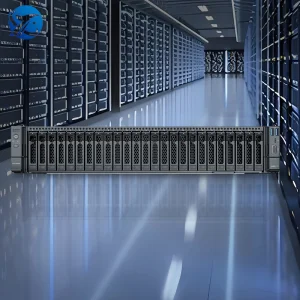
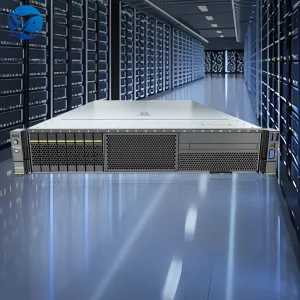
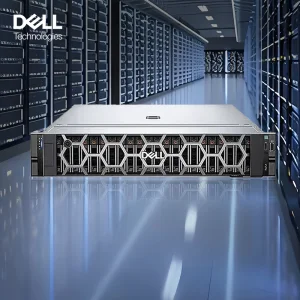
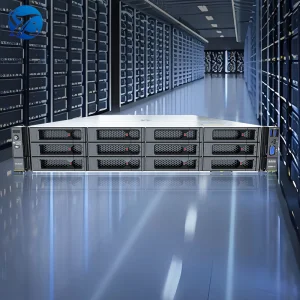
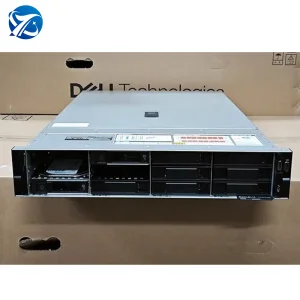
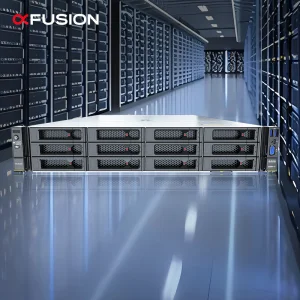
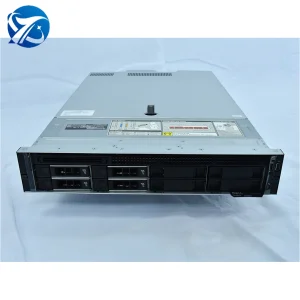
For regional data centers requiring cost-effective scale, deploying custom-configured xFusion and Dell servers alongside NetApp-configured arrays reduces licensing and operational overhead while meeting strict performance SLAs.
How Aiserveon integrates localized procurement, production pipelines, and multi-stage testing to guarantee zero-defect enterprise deployment.
We believe that reliability in high-capacity storage is built on structural validation. Over twelve years in the server and storage market, we have established a proprietary testing protocol that mimics high-density computing loads before any component leaves our facility.
Our product strategy focuses on keeping pace with evolving server technologies to future-proof global enterprise investments.
Developing hardware pipelines capable of handling sustained bus speeds of DDR5 RDIMM 6400MHz, lowering internal data path latency for NVMe expansion drives.
Building low-level BIOS/firmware updates to provide native APIs, allowing seamless routing and file allocation tables to sync with enterprise clouds.
Adapting hybrid liquid cooling server chassis designs to lower energy consumption levels by up to 25% for high-density enterprise storage arrays.
Storage is no longer merely a passive repository; it is an active node of compute processes. With CXL, memory expansion cards, SSD pools, and GPU processing units share physical address spaces directly. By tailoring our server designs to support upcoming CXL protocols, we ensure that modern deployments remain relevant for the next decade of infrastructure growth.
Additionally, our 120+ new products and model upgrades released last year reflect our drive to continuously iterate in tandem with changes in CPU architectures from Intel, AMD, and next-generation ARM processing boards.
Conducting business on a global scale requires strict adherence to regional compliance protocols. Our storage and server solutions are developed to comply with CE, FCC, RoHS, and local regulatory standards across North America, Europe, Southeast Asia, and the Middle East.
To support global deployments, Aiserveon works closely with enterprise integrators to provide engineering-level support, BIOS optimization, and structural customization solutions for varying chassis sizes.
Detailed technical and commercial information for hardware procurement departments and system engineers.
Aiserveon designs storage server components, controller boards, HBA interfaces, and expansion chassis configurations utilizing open industry standards (such as SAS-3/SAS-4, NVMe, iSCSI, and FC). Our systems undergo compatibility tests, validating that they present correctly to ONTAP environments as standard storage nodes, expansion shelves, or cluster nodes.
Every system and component passes through our rigorous 4-step quality framework (IQC, IPQC, FQC, and OQC). Finished storage hardware undergoes full-load burn-in stress testing, automated read/write verification cycles under thermal variance, and physical vibration durability checks to ensure resilience during international transit.
Yes. We offer extensive OEM/ODM support, including custom sheet-metal chassis engineering, internal fan configuration adjustments, customized BIOS screens, customized firmware strings, and custom structural branding. This allows integrators to distribute our hardware seamlessly under their own brand names.
Depending on configuration complexity and order volume, component-level integrations generally take 2 to 3 weeks. Full cluster cabinets or custom thermal setups take 4 to 6 weeks. Our strong upstream relationship with chip, PCB, and controller manufacturers guarantees stable lead times even during high market demand.
Yes, we design specialized GPU computing units and high-speed NVMe storage backplanes specifically for processing data pipelines required by large language models. Our systems feature high memory capacities and optimized PCI express routing to prevent communication bottlenecks between CPU, GPU, and NVMe drives.
Transparent overview of our manufacturing spaces, testing environment, and high-tech quality verification units.
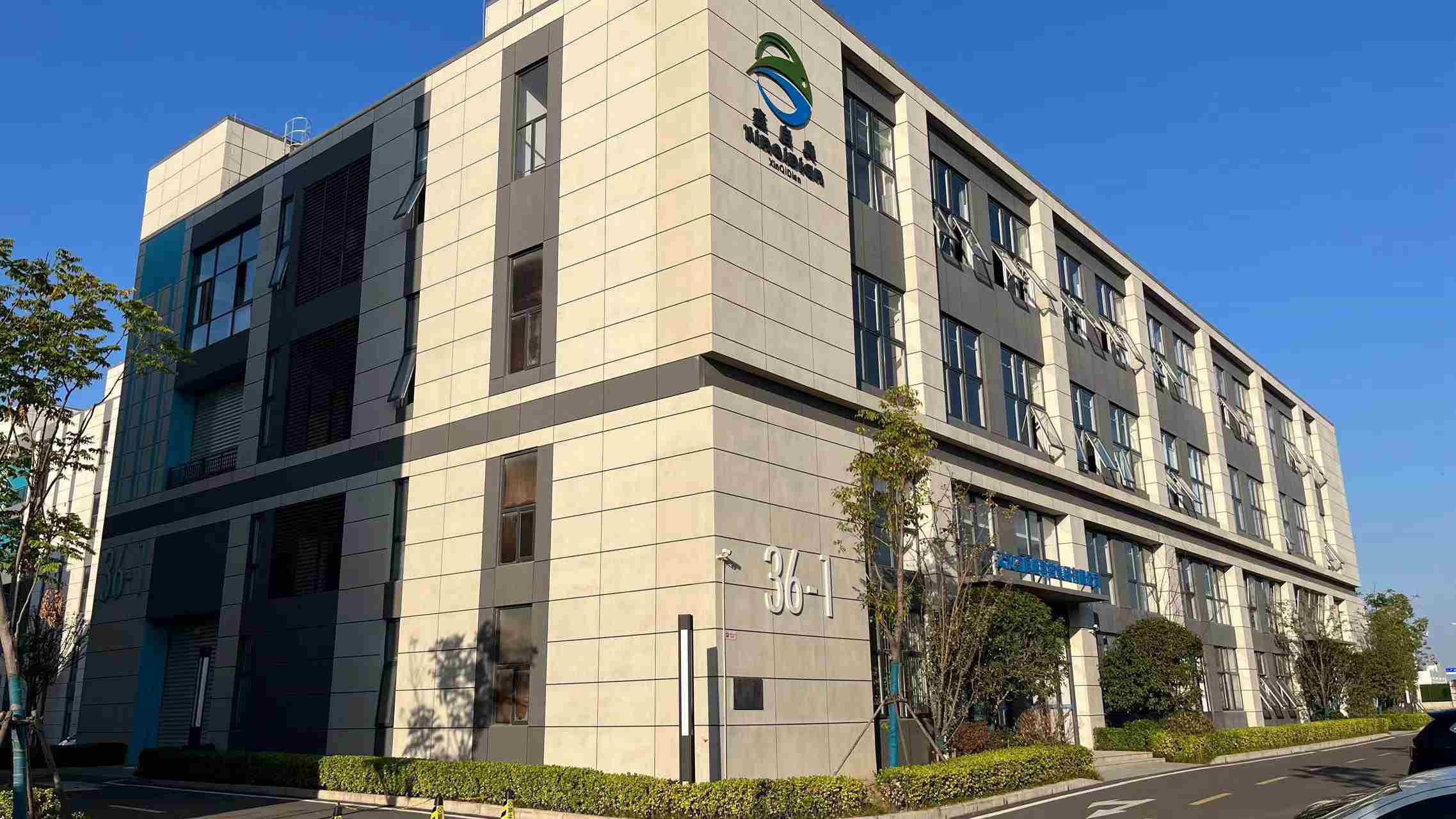
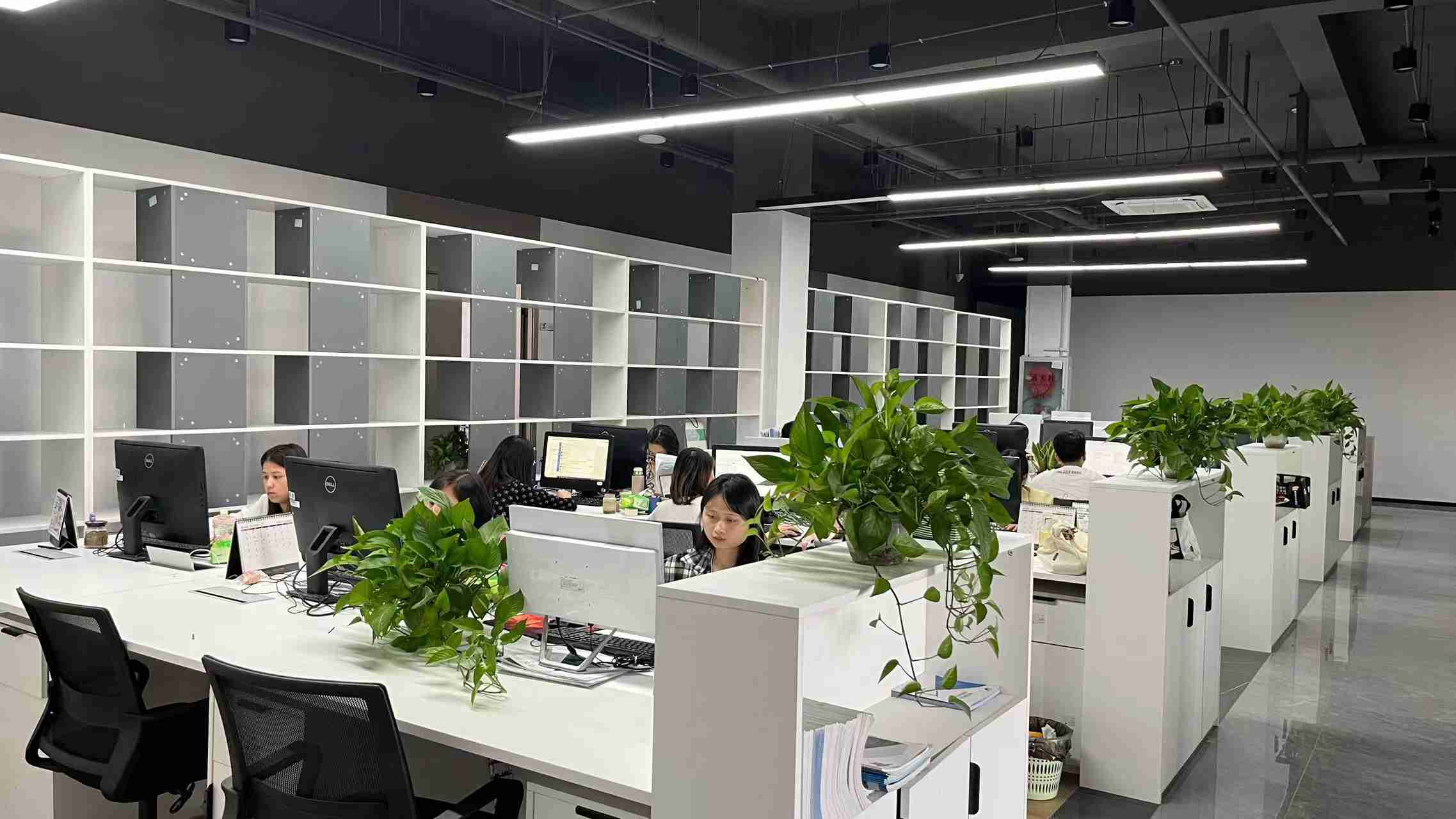
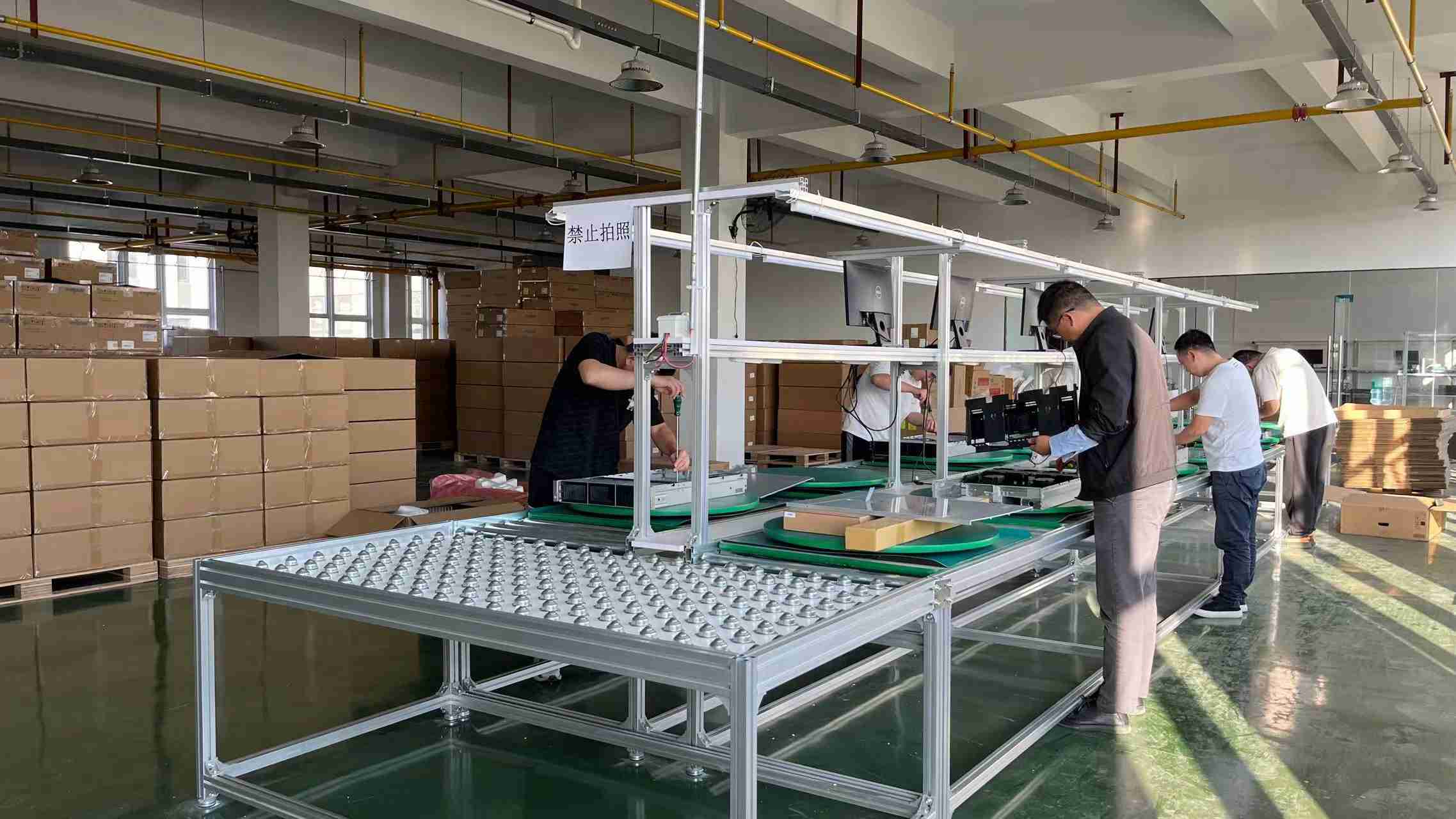
Explore additional systems, storage controllers, and computing units from our specialized hardware catalog.