Aiserveon
Aiserveon
Aiserveon
High-performance computational nodes engineered to seamlessly bridge public cloud architectures with secure local processing environments.
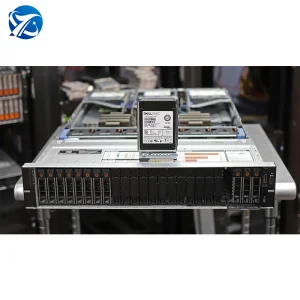
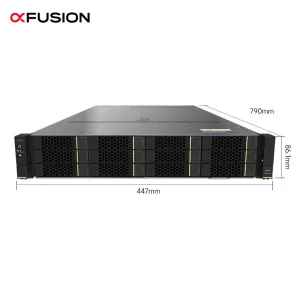
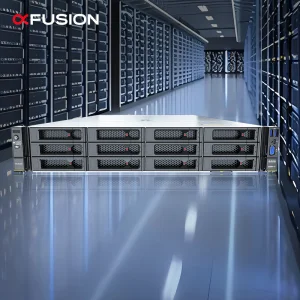
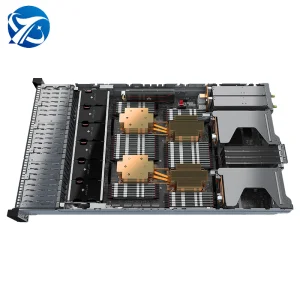
As multinational corporations expand their operations inside China, navigating the complex hybrid cloud regulatory matrix is a chief concern. Microsoft Azure, operated locally in China by 21Vianet, presents a unique operating architecture. Achieving real-time processing, compliance, and sub-millisecond edge latency requires more than standard public cloud services; it demands robust, physical **Azure-ready localized hardware deployments**.
This is where Aiserveon Intelligent Computing Tech Co., Ltd. serves as a vital hardware partner. By engineering specialized AI server hardware, hyperconverged infrastructure, and high-density storage solutions, we bridge the gap between Azure Stack HCI environments and the physical operational realities of mainland production lines, financial nodes, and distribution centers.
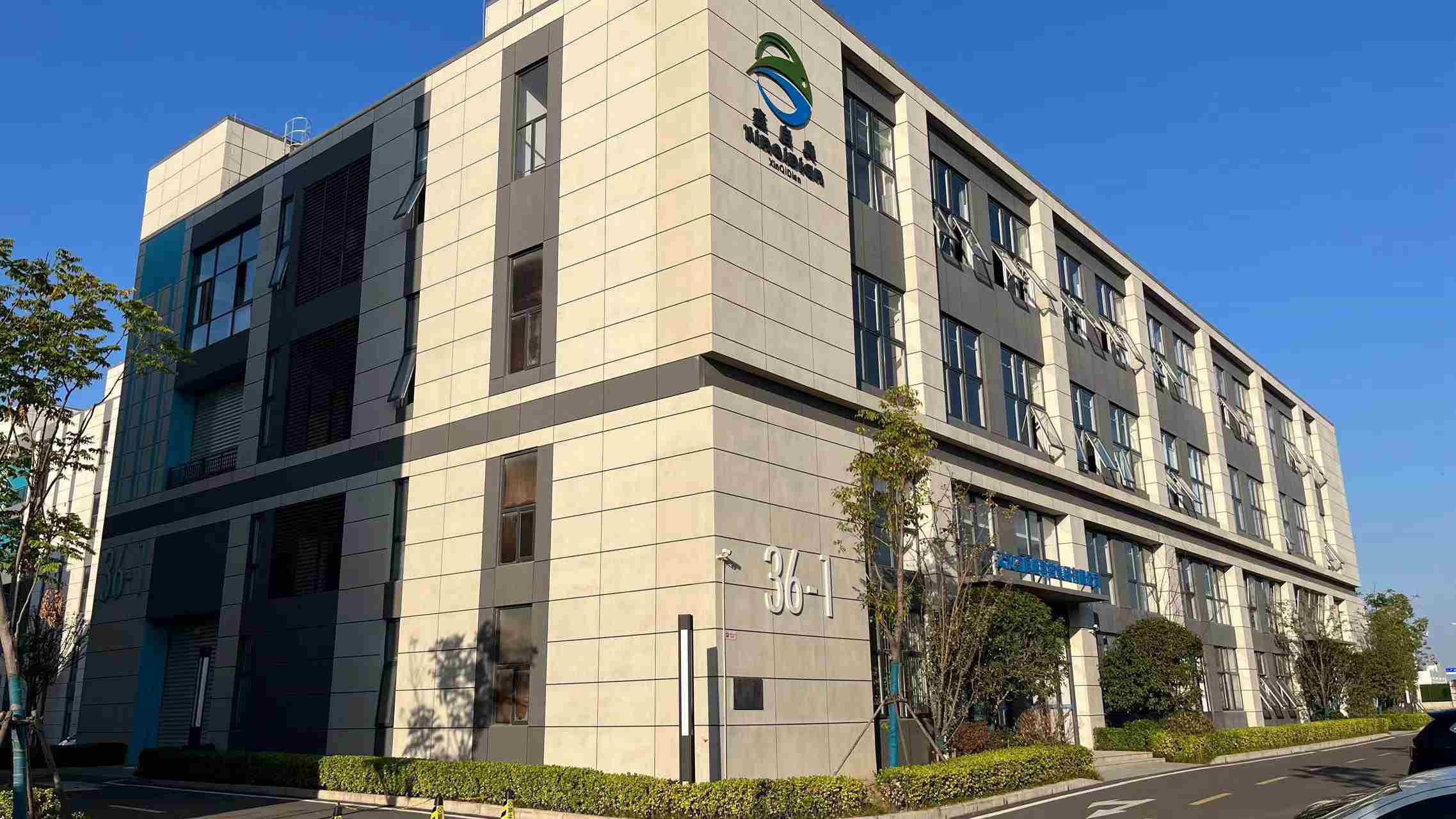
Statistical confirmation of our production scale, supply chain resilience, and global trading capacities.
How localized hardware architectures satisfy strict MLPS 2.0 regulations and CAC cross-border transfer laws.
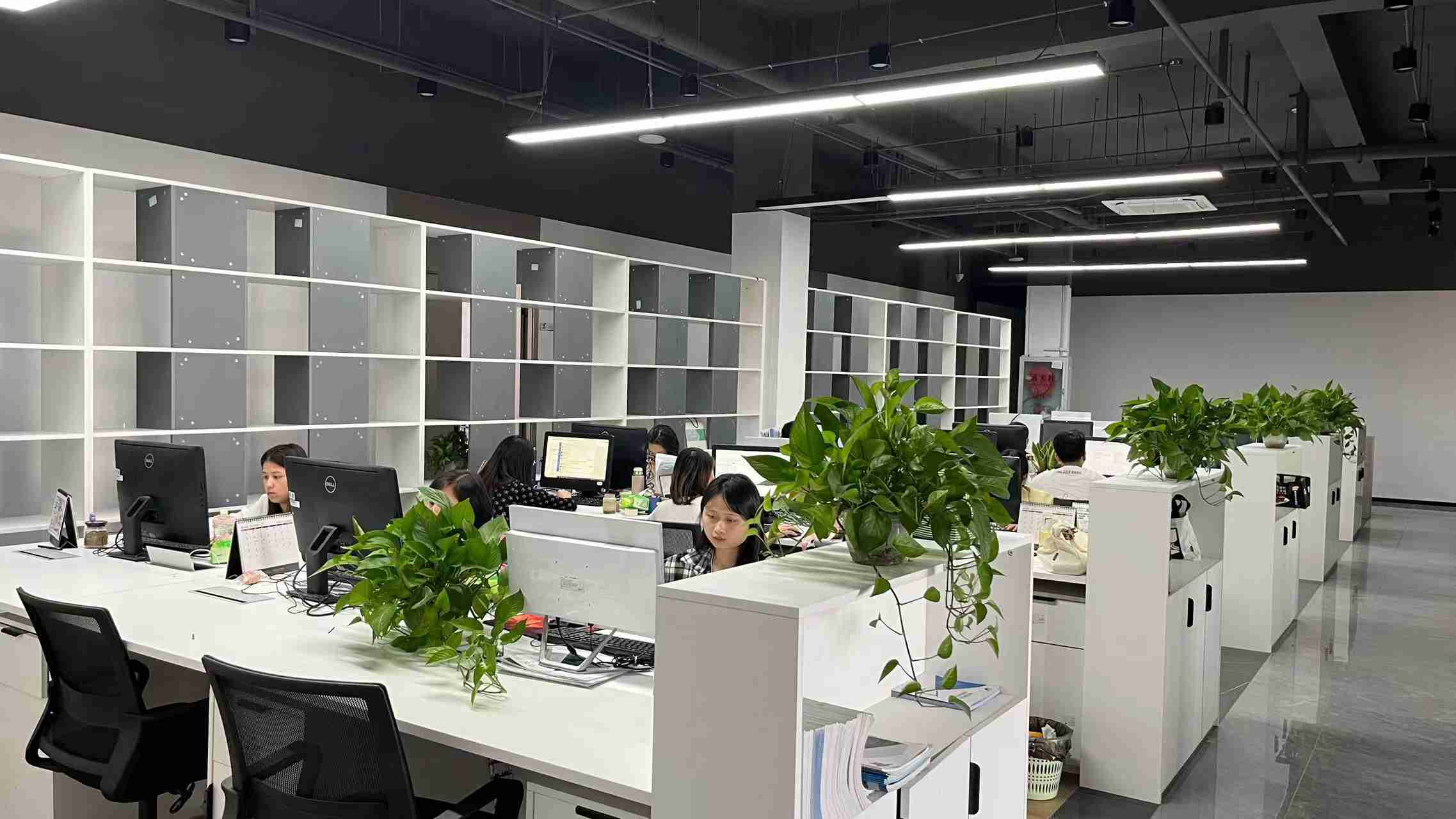
Mainland China’s regulatory landscape requires strict adherence to cybersecurity frameworks. Under the **Multi-Level Protection Scheme (MLPS 2.0)**, data classification and system compartmentalization require organizations to deploy hardware that supports local HSM (Hardware Security Modules), National Cryptographic Algorithms (SM2/SM3/SM4), and robust physical isolation mechanisms.
For hybrid deployments integrating with Azure China (21Vianet), Aiserveon provides physical servers customized to these requirements. Our custom BIOS and firmware modifications allow companies to maintain localized compliance while retaining operational parity with Microsoft Azure API configurations. This guarantees that whether you deploy a private node running Azure Stack HCI or an AI GPU-centric cluster for real-time model inference, your hardware natively aligns with local security profiles.
Furthermore, our integration services enable direct compatibility with Azure ExpressRoute local circuits, ensuring low-latency links between physical private hosting data centers and the nearest public Azure cloud regions (China North/East/South).
Leveraging rapid prototyping, OEM/ODM agility, and robust multi-phase QC methodologies.
Our engineering team of 85 hardware and system architects released over 120 new and iterative server models last year, catering to evolving Azure workloads.
Strict adherence to IQC, IPQC, FQC, and OQC processes with complete component traceability. Over 45 dedicated QA personnel oversee all production pipelines.
With 6+ years of international trade operations, our systems are pre-certified and configured for major markets including North America, Europe, SE Asia, and the Middle East.
Mapping our physical hardware systems to their target roles in Azure-centered hybrid clouds and AI clusters.
| Server Model Class | Processor & Memory Options | Storage Capabilities | Ideal Azure / Hybrid Cloud Use Case |
|---|---|---|---|
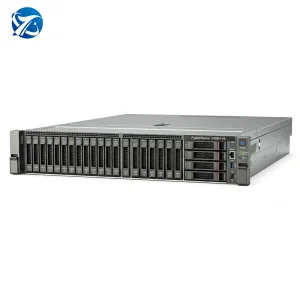
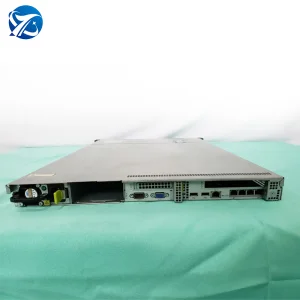
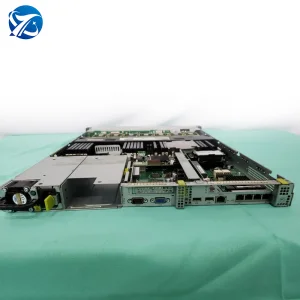
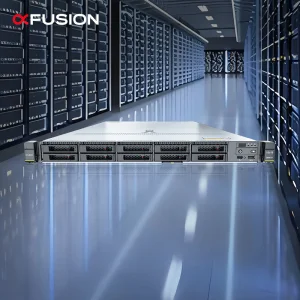
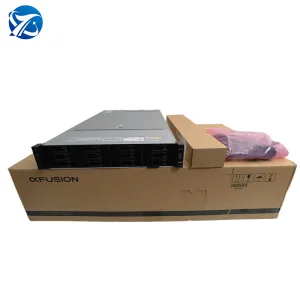
| xFusion FusionServer 2288H V7 | Dual Intel Xeon Scalable Gen 4/5, Up to 8TB DDR5 RAM | 12x 3.5" or 24x 2.5" NVMe / SAS / SATA Bays | Azure Stack HCI Hyperconverged Infrastructure node hosting VMs and private cloud databases. |
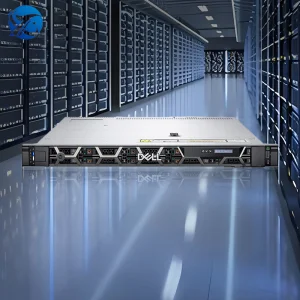
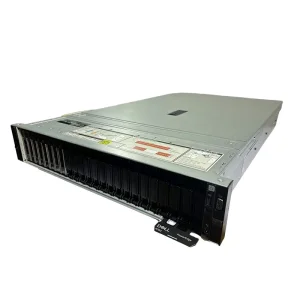
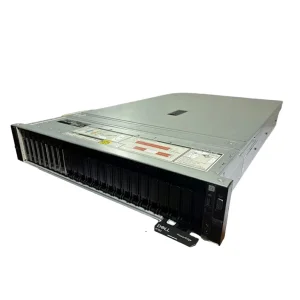
| Dell PowerEdge R760 | Intel Xeon Scalable Gen 4 (e.g. 6542Y), DDR5 RAM | Up to 24x 2.5" SAS/SATA/NVMe drives | General cloud database clustering, containerized microservices, high-reliability storage controller. |
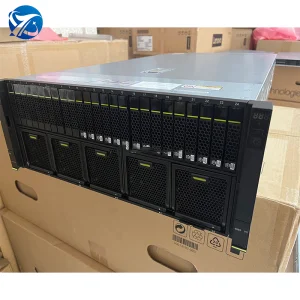
| xFusion 2288H V6 GPU Server | Dual-socket Intel Xeon, support for multiple enterprise GPUs | High-throughput SAS/SSD configurations | Localized AI Inference & DeepSeek Model training connected to Azure AI Studio resources. |
| Aiserveon Storage Nodes (5288 V5) | Intel Xeon Gold/Silver series | 36-Bay high-capacity cold/warm storage layout | Azure Blob Storage tiering, local video archiving, backups and compliance storage arrays. |
Every server leaving the Aiserveon facility undergoes a rigorous four-stage quality checking process to ensure zero failures upon installation at customer datacenters. Our protocols include:
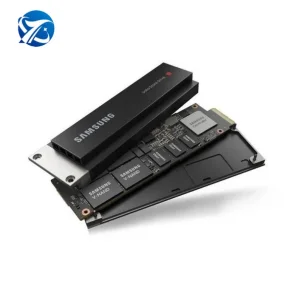
This systematic rigor guarantees that critical hybrid workloads, run on devices like Samsung enterprise-grade PM883/PM893/PM9A3 SSDs, operate with the highest level of reliability.
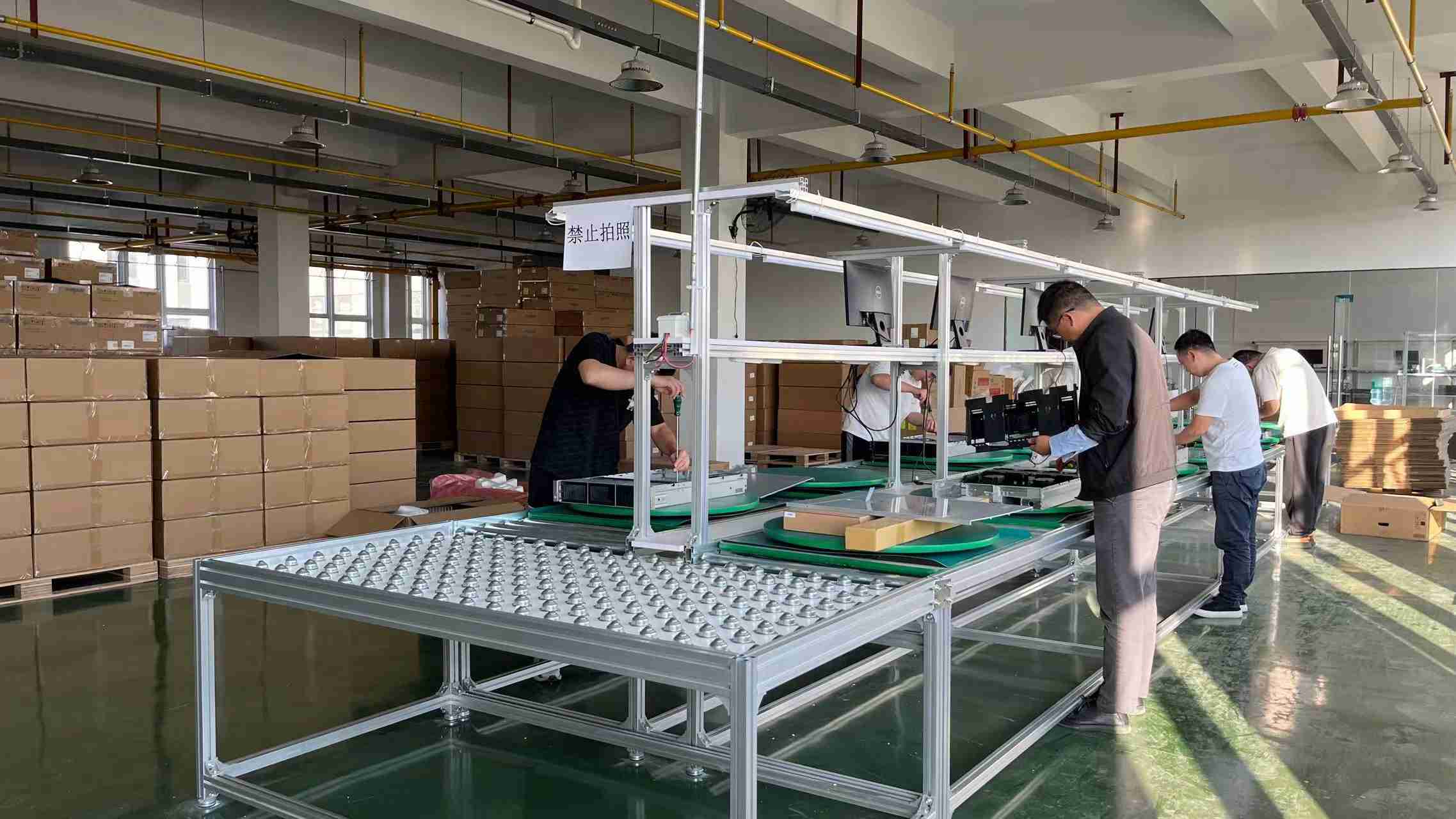
Global dynamics influencing why cloud integrators choose to source customized hardware directly from Chinese manufacturing centers.
With LLMs like DeepSeek, LLaMA, and custom enterprise models growing rapidly, localized high-performance server clusters are becoming essential. Local factories in China are at the center of this supply chain, assembling high-performance GPU nodes and hyperconverged architectures that allow organizations to process model parameters close to data generation sources.
Standard hardware models from traditional OEMs often lack the flexibility required by hyper-scale datacenters and niche cloud service providers. Aiserveon offers full OEM/ODM options: chassis branding, BIOS tailoring, specific power supply configurations (such as dual 1500W redundant AC units), and pre-loaded virtualization OS environments directly from the factory floor.
Maintaining cost efficiency in high-density storage and RAM is critical. By sourcing hardware directly from suppliers with access to key component ecosystems, cloud providers can deploy servers with premium components—like enterprise Samsung SSDs (PM9A3/PM1653)—at optimized budget points.
Aiserveon's strong relationship with over 850 upstream and downstream vendors ensures that supply chain shortages are mitigated. This network enables us to maintain quick turnaround times for custom batches, keeping deployment timelines for multi-datacenter setups on track.
Expert technical responses to common questions raised by system architects, procurement officers, and compliance leads.
Explore our full line of rack-mounted servers, solid-state storage solutions, and high-performance server hardware designed for heavy cloud processing.