Aiserveon
Aiserveon
Aiserveon
Explore our premium grade rackmount servers, accelerator arrays, and high-bandwidth interface cards engineered for massive enterprise computing deployments.
Whitepaper Analysis of High-Performance Scalability in Deep Learning, Cloud Storage, and Next-Generation Data Transmission.
Modern workloads demand unprecedented system efficiency. The explosive growth of Artificial Intelligence (AI) models, particularly deep-learning architectures, necessitates specialized high-density computing clusters. Compute architectures are shifting from CPU-centric to GPU-heterogeneous setups. Managing data flow between cluster components requires top-tier high-speed networking adapters and controllers. Bandwidth limits of the past are bypassed using high-speed interfaces like PCIe Gen 4.0/5.0 to achieve optimal throughput.
In data management, storage systems must scale without creating bandwidth bottlenecks. Adapters like the 9540-8i RAID PCIe 4.0 SAS controller provide high-speed internal link aggregation for storage nodes, supporting both high IOPS and robust fault tolerance. Combining SAS 12Gb/s drives with solid-state storage allows enterprises to balances cost-efficiency with high-speed read/write capabilities, preventing packet loss and minimizing latency during data transmission.
Across the global technological landscape, hardware architectures must undergo rapid evolution. Enterprise solutions are no longer about isolated servers; they are complete ecosystems integrating heterogeneous GPU servers, intelligent high-speed interconnects, and low-latency network switches. As global supply networks experience shifting challenges, partnering with a dependable, experienced computing equipment exporter in China ensures consistent hardware delivery and specialized engineering support.
How we design next-generation computing infrastructure for High-Performance Computing (HPC), AI, and enterprise clouds.
Deploying specialized cluster solutions optimized for training and inference. Using PCIe Gen 4/Gen 5 interconnect paths, our rack configurations minimize GPU communication bottlenecks. They support large-scale LLM model pipelines, ensuring low latency during inter-node communication.
Designed for organizations seeking high adaptability. Our computing racks support dynamic partitioning of bare-metal servers, hyperconverged hypervisors, and dense SAN storage, reducing overall footprints and lowering datacenter Power Usage Effectiveness (PUE).
Supporting critical workloads in aerodynamics, meteorological forecasting, and computational physics. High core-count processors, multi-channel DDR5 support, and SAS/SATA storage fabrics combine to process complex datasets quickly and reliably.
A transparent look into our operational metrics, manufacturing capacity, and engineering excellence.
Aiserveon Intelligent Computing Tech Co., Ltd. is a dedicated manufacturer of AI servers and intelligent computing infrastructure. We specialize in high-performance GPU servers, AI clusters, and customized datacenter hardware. Under the Aiserveon brand, our team integrates global hardware supply chains with tailored engineering services.
Founded in 2016, we have built over 12 years of industry-specific engineering experience and 6 years of direct global exporting. This allows us to serve enterprise buyers, tier-2 cloud service providers, and AI startups with speed and technical precision.
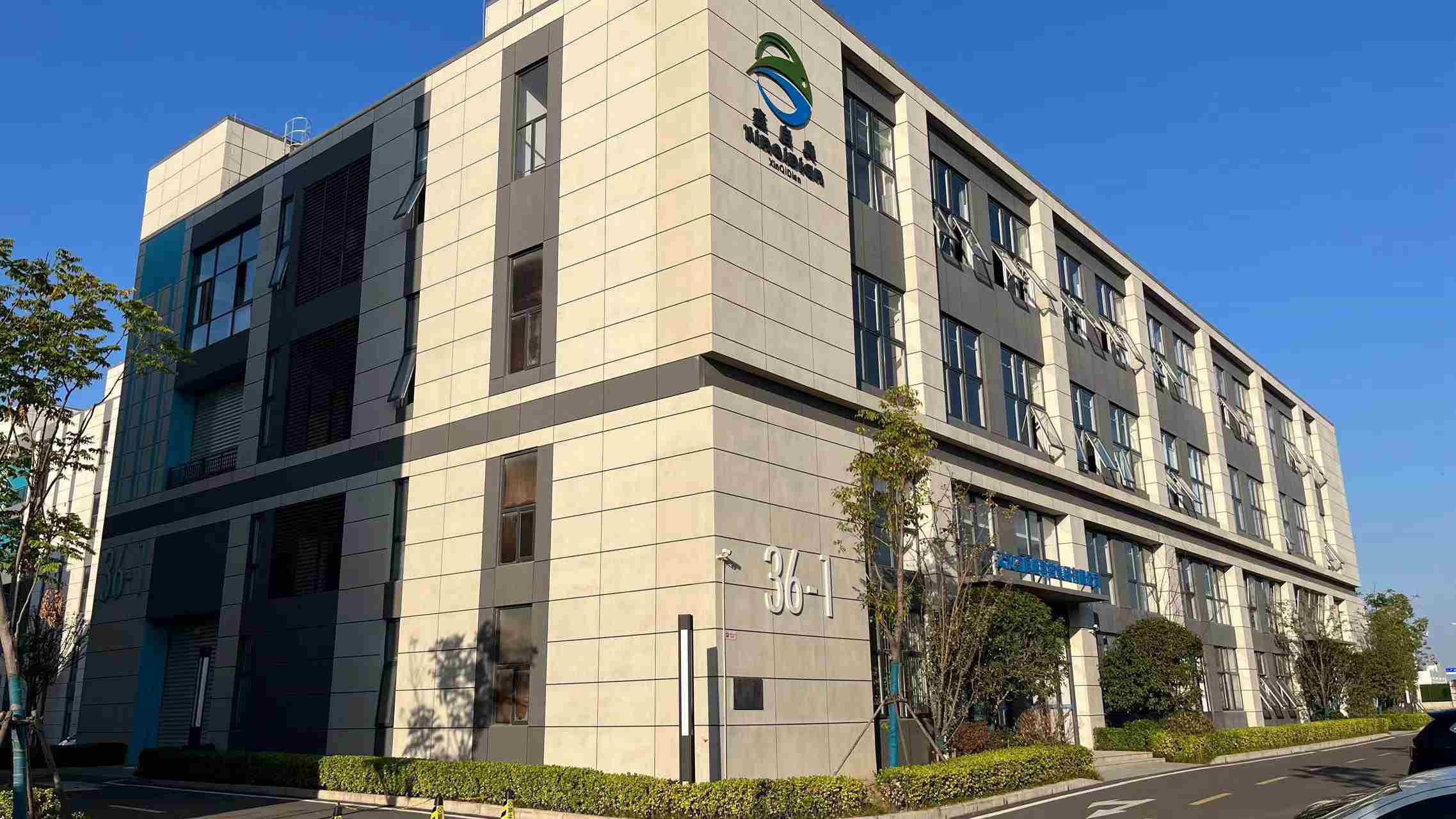
| Organizational Profile Parameter | Verified Details & Capabilities |
|---|---|
| Company Registration Date | Established in 2016 |
| Facility Footprint | 320 m² Specialized Production & Assembly Area |
| Annual Export Revenue | USD 15.6 Million |
| Export Experience | 6 Years Global Exporting |
| Industry Experience | 12 Years of Industrial R&D |
| Upstream & Downstream Partners | Over 850 Global Supply Chain Partners |
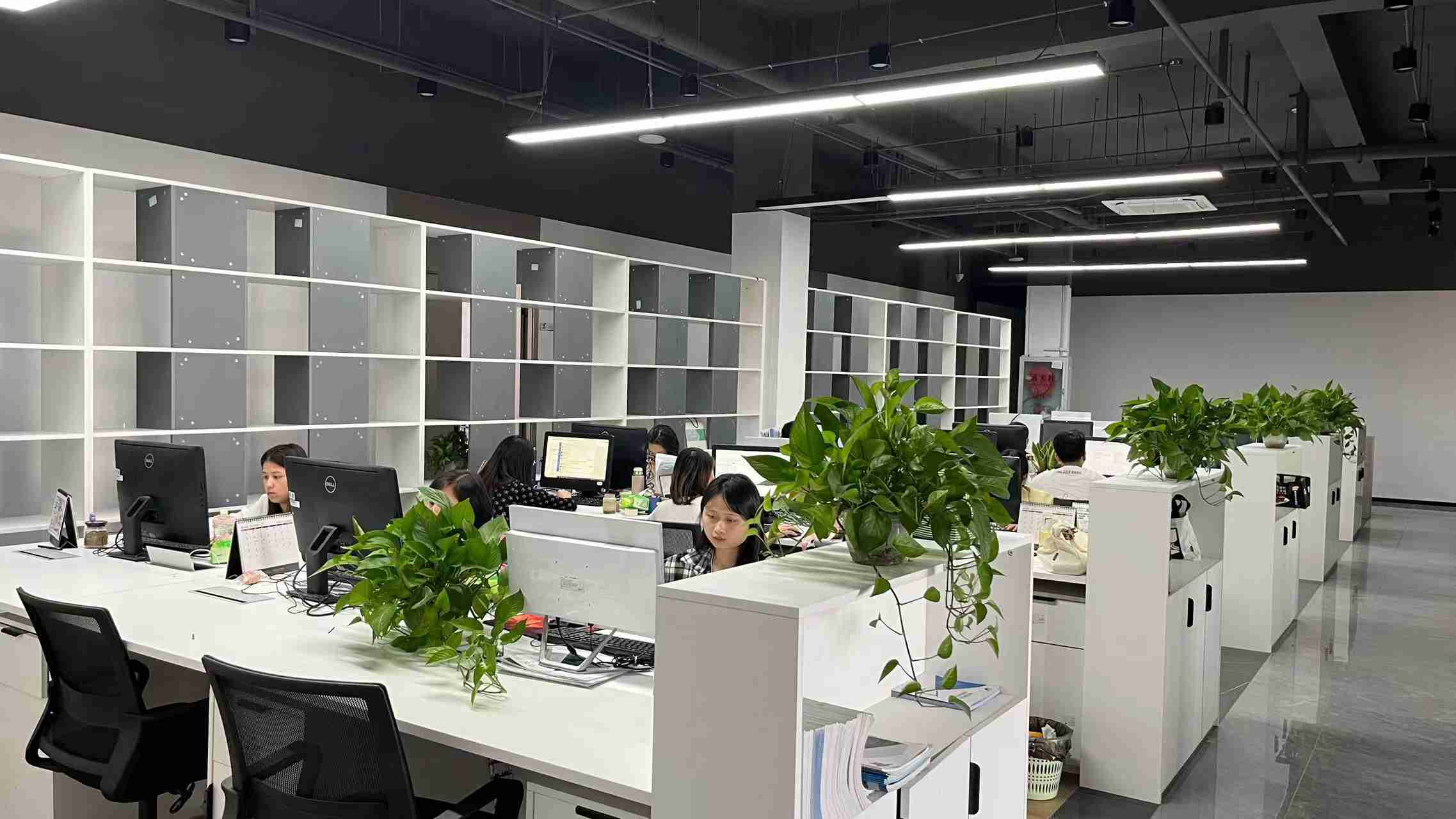
| QC Team Size | 45 Dedicated Quality Control Staff |
| R&D Team Size | 85 Hardware and System Engineers |
| Customization Capabilities | Full OEM/ODM Hardware, BIOS/Firmware Modification, Chassis Branded Customization |
| Product Iteration Speed | 120 New Models and Iterative Upgrades Released Last Year |
Ensuring operational reliability in demanding 24/7 data center environments.
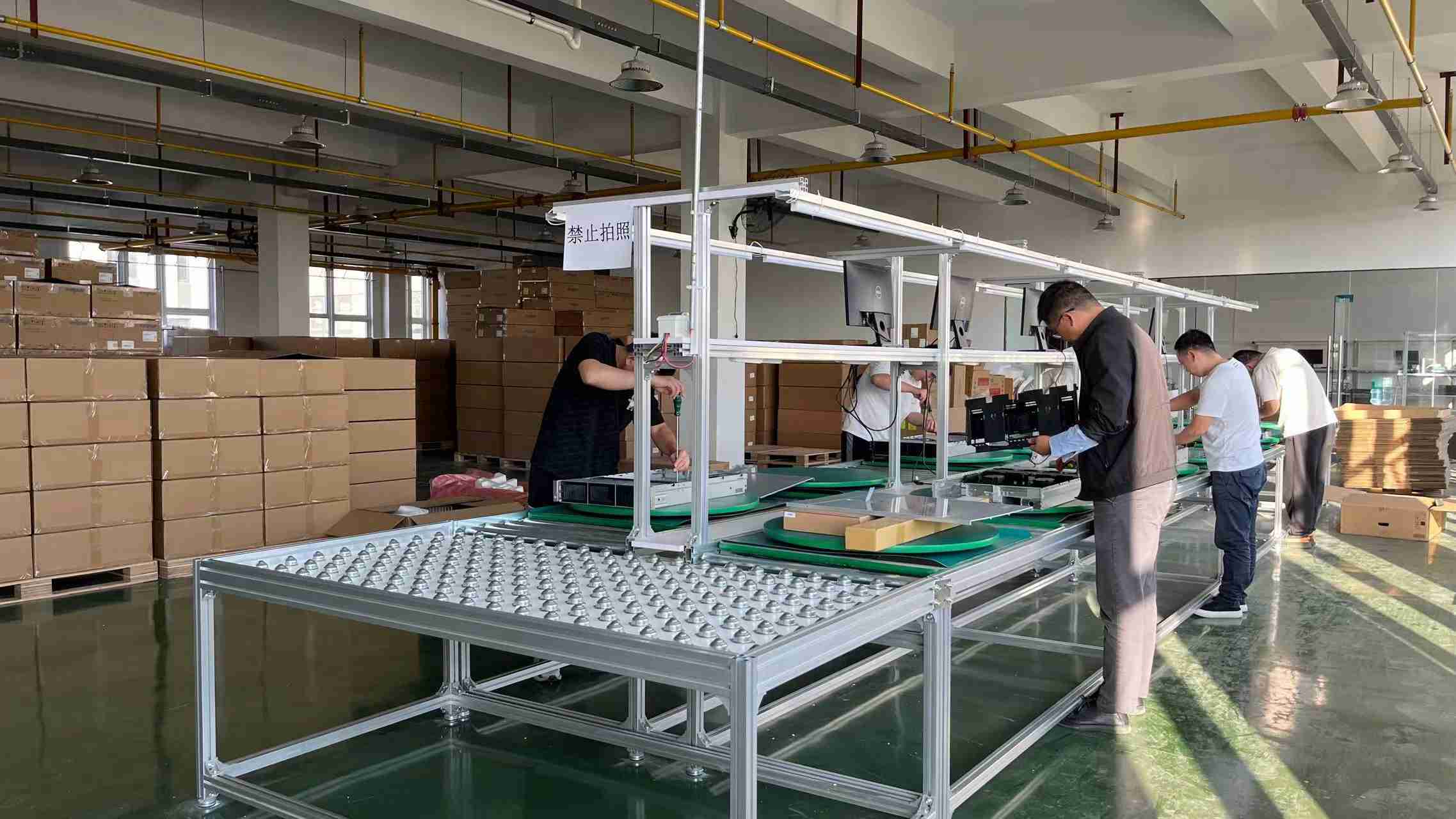
Our quality assurance workflow spans from incoming material inspection to out-of-factory shipping validation. Materials undergo a structured IQC (Incoming Quality Control) protocol. Production stages are monitored via IPQC (In-Process Quality Control), followed by final FQC (Final Quality Control) and OQC (Outgoing Quality Control) sweeps. This end-to-end framework supports complete component traceability.
Every server assembly undergoes structured testing to ensure stability under heavy load. Testing protocols include AQL Sampling Inspections, Full-Load Burn-In Chamber Testing, and Automated Hardware Loop Performance Stress Tests. Thermal performance and signal integrity are verified across varied temperature profiles to prevent field failure.
Components are logged via automated system barcodes to record voltage, performance metrics, and batch tracking info. This makes every sub-assembly, from high-speed CPU sockets to storage interfaces, traceable to specific testing cycles, aiding root-cause analysis if errors occur.
How our server hardware addresses practical needs across diverse regional markets.
Deploying equipment at regional network edges introduces unique challenges, including temperature swings and dusty environments. In smart transit scenarios, our short-depth 2U servers process live sensor data locally, reducing latency. High-efficiency controller cards like the 9540-8i ensure consistent read/write operation for local caching, sending only aggregated results back to central cloud platforms.
In electronic trading systems, microseconds matter. Network adapters must route data packages with minimal latency. Our custom servers feature optimized PCIe routing topologies that allow network cards to communicate directly with CPU caches. This design minimizes processing delay, helping financial institutions accelerate execution speeds.
Ensuring compliant operations and consistent component availability across international borders.
Our server assemblies are certified to meet international standards. We maintain strict compliance with CE, FCC, and RoHS regulations, ensuring systems satisfy the safety and environmental criteria required by our primary markets in North America, Europe, Southeast Asia, and the Middle East.
We provide localized technical assistance through partnerships with regional integration experts. Our support includes custom BIOS builds, firmware adaptation, and component replacement options, helping clients minimize system downtime.
With a network of over 850 upstream and downstream suppliers, we navigate material and chip shortages effectively. This diversified ecosystem helps stabilize lead times for key components, including Intel Xeon processors, SAS controller chips, and storage drives.
Our forward-looking development path for high-performance computing through 2026.
Expert answers to common questions about server layout, hardware optimization, and procurement.
PCIe Gen 4.0 SAS controllers, such as the 9540-8i, double the interface bandwidth compared to Gen 3.0. Providing 16GT/s per lane, they allow storage arrays to process dense data sets without creating I/O bottlenecks. This is especially beneficial for high-transaction databases, real-time telemetry, and virtualization platforms.
Our QC team subjects each server assembly to a multi-point inspection. We test components under full processing load to monitor voltage stability, heat distribution, and processor throttle points. These tests ensure the hardware can sustain intensive processing demands over extended run times.
Custom BIOS configurations allow us to fine-tune power usage limits, PCIe lane allocation, and memory training parameters. These adjustments can improve communication speeds between processors and accelerator cards, enhancing performance for deep-learning workflows.
We use heavy-duty, anti-static materials and reinforced packaging designed to absorb shocks during transit. Every shipment is logged with custom shock and tilt sensors to verify that transit conditions remain within safe limits, ensuring components arrive ready for installation.
Yes. Our OEM/ODM services include custom chassis physical designs, front bezel branding, and customized BIOS splash screens, allowing systems integrators to deliver fully branded computing solutions to their customers.
Complete your enterprise infrastructure layout with our high-reliability server platforms and network accessories.