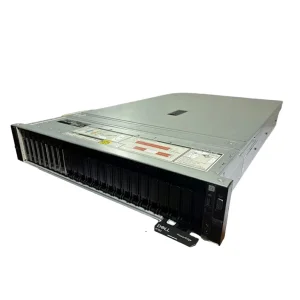
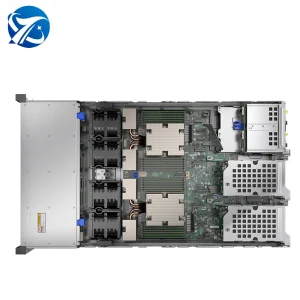
Aiserveon
Aiserveon
Aiserveon
Explore our premium high-density processors and GPU-optimized architectures configured to run failover tasks, real-time replication, and active-active clustering.
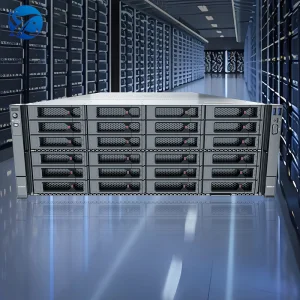
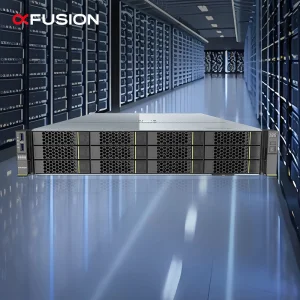
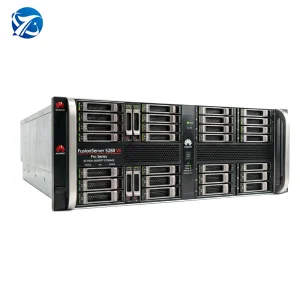
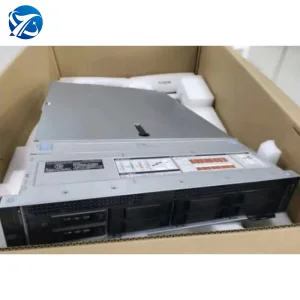
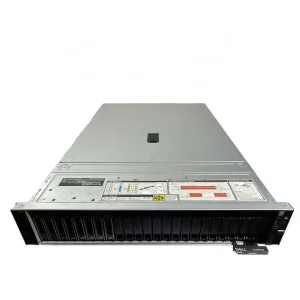
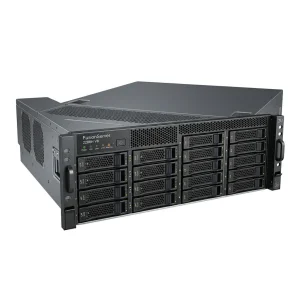
As digital dependency skyrockets, modern industries face unprecedented vulnerabilities. Aiserveon engineers comprehensive hardware foundations that act as primary, secondary, or hybrid nodes for disaster recovery strategies across multiple sectors:
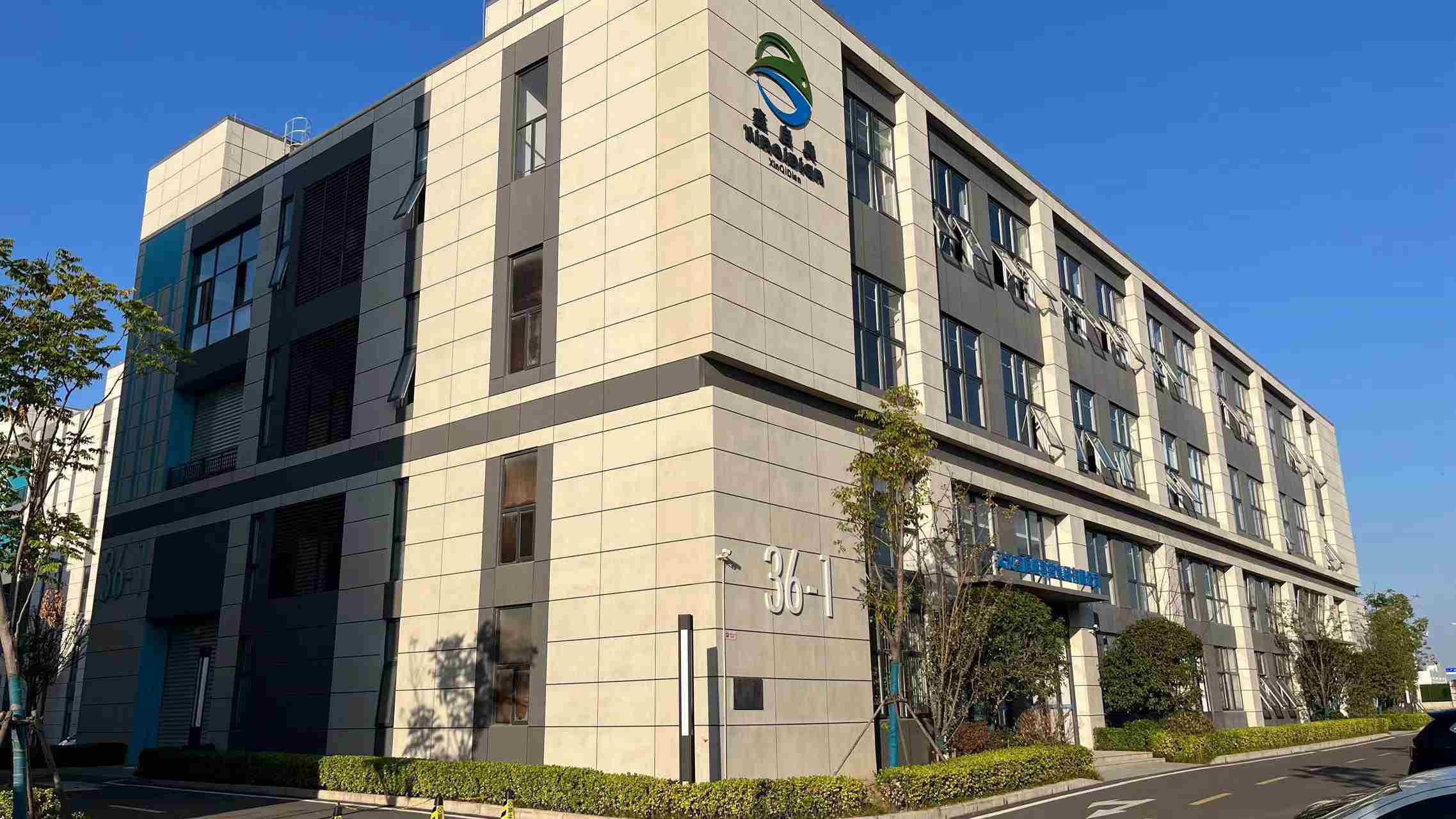
Understanding the shifts in international system replication, edge failover structures, and high-performance server integrations.
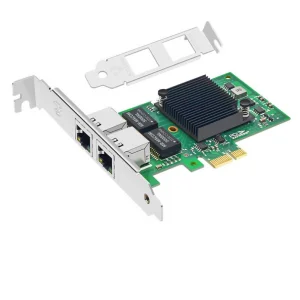
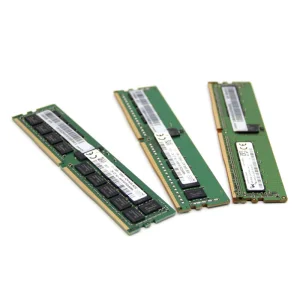
Global enterprises lose an average of $5,600 per minute during unplanned IT downtime. Deploying scalable 2U and 4U servers with redundant power supplies, multi-port RAID standard cards, and DDR4/DDR5 ECC RAM creates an impenetrable baseline of physical hardware reliability.
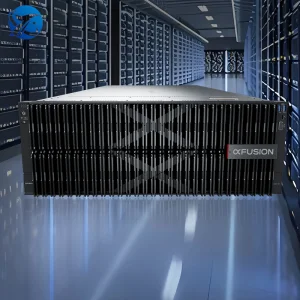
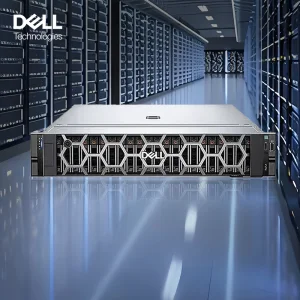
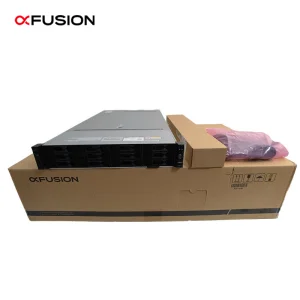
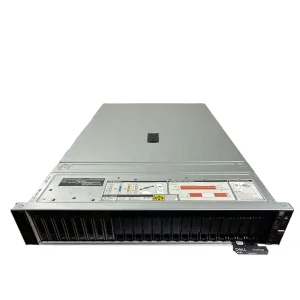
Modern data pipelines are shifting away from traditional tape/cold backups toward real-time active-active synchronization. This requires redundant compute instances like Dell PowerEdge R760 or xFusion 2288H models positioned across physically segregated geographical locations.
Training large-scale deep learning models (such as DeepSeek) requires highly structured checkpoint strategies. If a node fails, the system must seamlessly recover without corrupting the training run, which requires highly synchronized storage and memory buses.
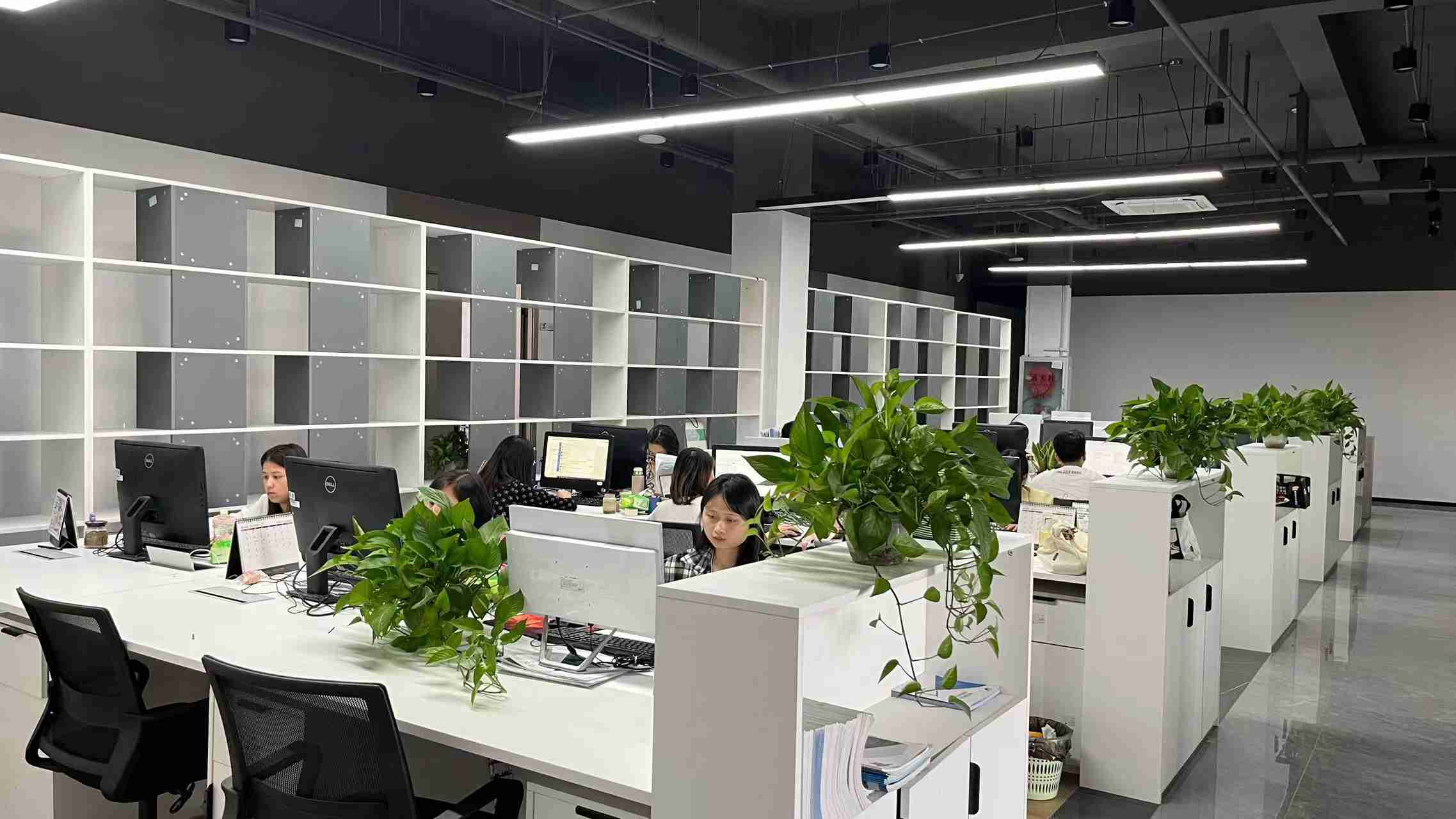
Aiserveon Intelligent Computing Tech Co., Ltd. is a professional AI server and intelligent computing infrastructure manufacturer focusing on high-performance GPU servers, AI clusters, and data center solutions. Operating under the brand Aiserveon, we have built a solid reputation in global AI computing hardware supply chain integration and customized server manufacturing.
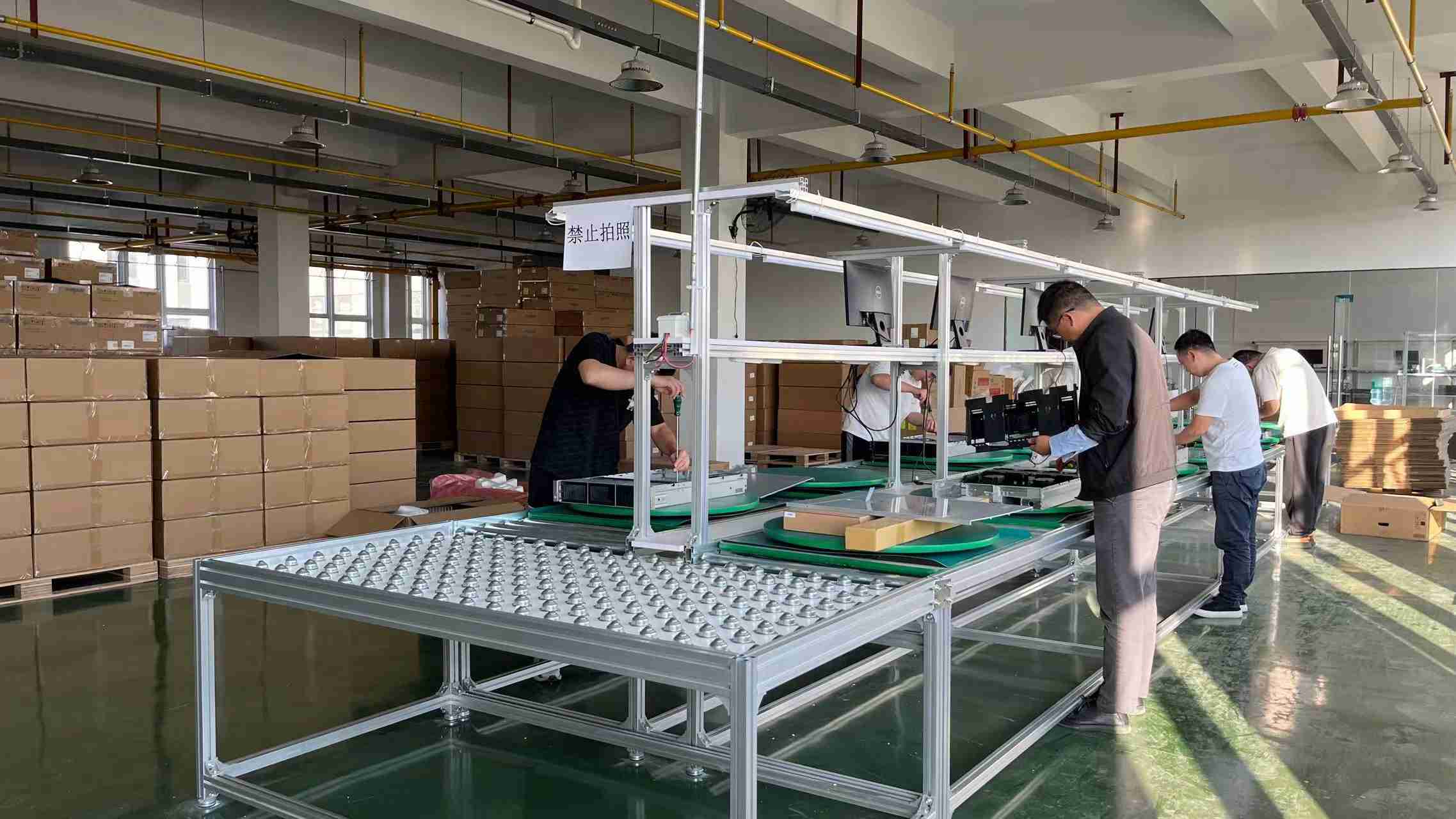
Our R&D engineering team boasts 85 experienced hardware and system engineers who deployed 120 new models and iterative upgrades last year. We guarantee hardware robustness through our multi-stage quality control structure.
We maintain full traceability management across a multi-stage process containing IQC, IPQC, FQC, and OQC. Our 45 professional quality control staff utilize AQL sampling inspection, full-load burn-in testing, automated performance stress testing, and thermal stability validation to prevent server failures before they leave the factory.
Ensuring cross-border compliance, localized technical assistance, and standard alignment across global target markets.
Aiserveon infrastructure meets strict international regulatory structures, including CE, FCC, RoHS, and security compliance standardizations. This ensures seamless integration into data centers that operate under GDPR (Europe), HIPAA (US Health), and SOC 2 Type II parameters.
We maintain localized warehouses and logistics partnerships in North America, Europe, Southeast Asia, and the Middle East to minimize lead times for system maintenance. Our team ensures that components like SAS/SATA/NVMe RAID cards, high-density DDR4/DDR5 memories, and processors are ready for rapid dispatch.
Beyond hardware procurement, Aiserveon offers remote engineering support for BIOS and firmware optimizations, system integration testing, and chassis customizations. This ensures customized systems align perfectly with your existing local network protocols and disaster recovery software systems.
Aiserveon infrastructure is designed for rapid physical deployment and resilience in diverse environments. From remote regions experiencing temperature volatility to high-stress, dense urban co-location spaces, our systems adapt seamlessly:
How Aiserveon is adapting computing infrastructure for the next decade of data security and generative AI advancements.
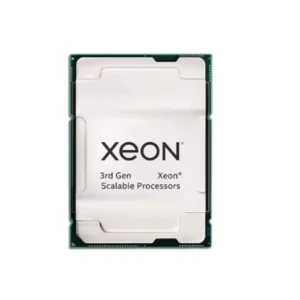
We are integrating standard Compute Express Link (CXL) structures into our Xeon Gold and Scalable platform server configurations. This provides low-latency memory pooling and direct coherent access, reducing synchronization delays during live virtualization migrations.
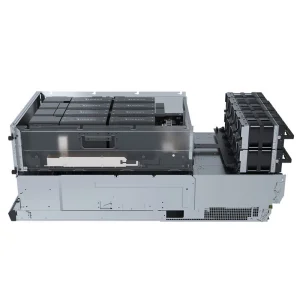
Disaster recovery nodes often run at 100% compute load during failover testing or recovery processes. Aiserveon is rolling out liquid-cooling systems for high-density GPU racks. This minimizes structural thermal stress and reduces hardware failure rates under maximum workloads.
We are incorporating AI-driven telemetry units directly into our chassis BIOS and server management software (BMC). By monitoring voltage spikes, fan performance, and SSD wear levels, our servers alert administrators to potential failures before a hard crash occurs.
Frequently asked questions about infrastructure hardware, logistics, and deployment requirements.
Both architectures feature high configuration flexibility, enterprise-grade IPMI/iDRAC management, and redundant power supplies. This allows remote IT administrators to manage system configurations, reboot servers, and diagnose drive arrays remotely, which is essential when the primary site goes offline.
A Tri-Mode RAID card (like the LSI 9560-8i) supports SAS, SATA, and high-speed NVMe drives on a single backplane. In the event of a disk failure, hot-standby options rebuild data parity onto a spare drive immediately, preventing data loss and preserving read/write speeds during critical operations.
Depending on component availability (processors, GPUs, and memories), our standard OEM/ODM customization takes 2 to 4 weeks. Standard system builds are shipped quickly thanks to our strong relations with 850+ supply chain partners.
Yes, our 45-person QC team conducts full-load burn-in tests, thermal stability checks, and performance benchmarks on every server configuration. This ensures that the systems arrive fully optimized and ready to operate reliably in your data center.
Yes, our chassis and internal thermal structures are optimized with high-RPM, hot-swappable cooling fans. Systems are tested in thermal chambers to ensure steady operation under load, making them ideal for regions with challenging cooling conditions.
Browse high-speed memory modules, multi-mode RAID controllers, and core processing configurations designed for maximum uptime.