Aiserveon
Aiserveon
Aiserveon
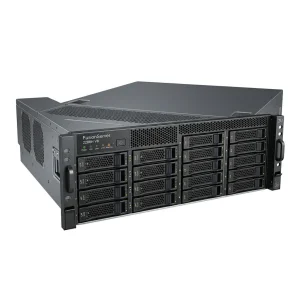
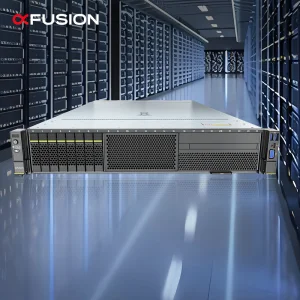
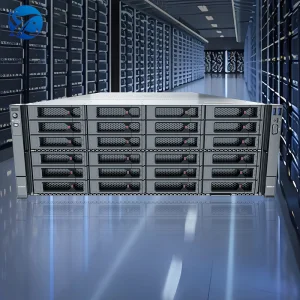
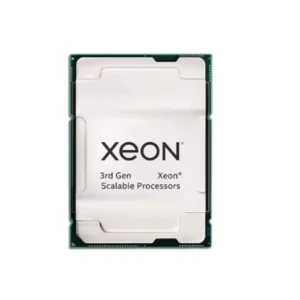
In the era of hyper-scale microservices, distributed transaction processing, and massive vector embeddings, the software-only approach to database optimization has hit a structural wall. Modern databases require dedicated physical architectures designed to mitigate I/O bottlenecks, eliminate networking jitter, and maximize computational efficiency.
As a premier global enterprise hardware and database infrastructure supplier, Aiserveon Intelligent Computing Tech Co., Ltd. bridges the gap between software demand and hardware performance. We supply wholesale, enterprise-class compute, storage, and networking building blocks that empower global enterprises to build robust, secure, and low-latency database backends.
Traditional relational databases (such as Oracle, Microsoft SQL Server, and PostgreSQL) rely heavily on random I/O read/write speeds and low disk latencies. Conversely, modern Big Data and AI architectures, including Vector databases (such as Milvus, Qdrant, and Pinecone) and distributed NewSQL storage systems, depend on parallel vector calculations and immense memory bands. Our hardware solutions are engineered directly to optimize these physical layers, yielding massive throughput gains and decreasing Total Cost of Ownership (TCO) for data centers.
Founded in 2016, Aiserveon has spent over a decade establishing a resilient supply chain network with over 850 partners. Our commitment to strict multi-stage quality control ensures that every server, controller, and network adapter performs under intensive enterprise database workloads.
Operating within a highly optimized B2B model, we offer comprehensive OEM and ODM options to global system integrators and hyperscalers. From initial BIOS optimization and thermal analysis to custom chassis designs and specialized data path routing, our R&D engineering team translates raw hardware capacity into highly structured database nodes.
The hardware path for enterprise databases is evolving at an unprecedented pace. The primary constraint is no longer raw processor core count, but rather the speed at which data can be transported between storage media, RAM, and the CPU/GPU.
The transition from PCIe Gen 4.0 to Gen 5.0 doubles data transfer bandwidth to 32 GT/s per lane. Integration of CXL protocol allows dynamic memory sharing between CPU host and high-speed NVMe storage controllers, drastically reducing latencies in in-memory databases.
Modern transaction processing workloads demand physical hardware mirroring that doesn't compromise SSD throughput. Tri-mode storage adapters (e.g. 9560-8i) enable concurrent support for SAS, SATA, and high-performance NVMe drives inside a single hot-swap server backplane.
For large-scale vector indexes and real-time analytical systems, relying solely on CPUs leads to computational bottlenecks. GPU-accelerated computing nodes permit parallel processing of complex SQL queries, analytical queries, and spatial dataset manipulations at fractional time scales.
Looking ahead, Aiserveon is actively preparing for next-generation optoelectronic interconnects and persistent memory architectures (NVDIMM). By working closely with upstream semiconductor fabs, we ensure our database hardware catalog is engineered with future-proof compliance, supporting modular hardware updates without requiring entire rack replacements.
No single hardware profile satisfies all database types. Different corporate environments require tailored structural balance among compute density, network bandwidth, and persistent storage capacity.
Core Challenge: Demands zero-loss database writes, high write IOPS, and absolute system reliability to maintain ACID transactional properties.
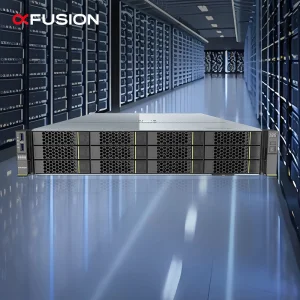
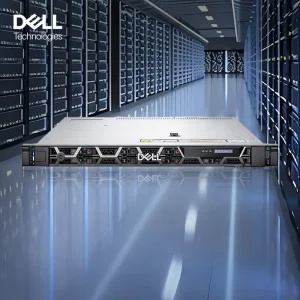
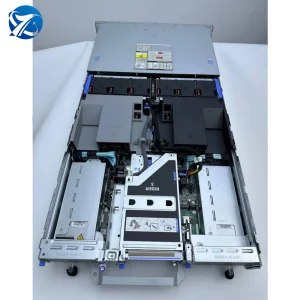
Hardware Topology: Multi-socket Intel Xeon rack platforms (like Dell PowerEdge R660/R750 series) equipped with hardware Tri-Mode RAID controllers and redundant enterprise read-intensive/mixed-use SATA or NVMe SSDs.
Core Challenge: Processing multi-terabyte queries, aggregations, and data ingestion from thousands of concurrent endpoints.
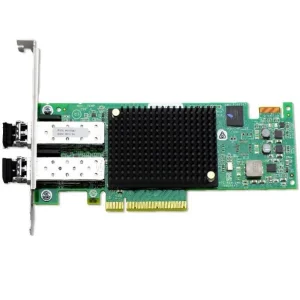
Hardware Topology: High-density memory configurations paired with NVMe storage nodes. Utilizing low-latency Fibre Channel network adapters (e.g. 32G FC HBAs) to hook directly into high-throughput Storage Area Networks (SANs).
Core Challenge: Processing high-dimensional embeddings and indexing datasets for instant retrieval in generative AI workflows.
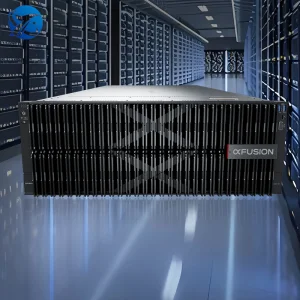
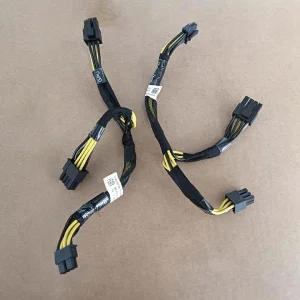
Hardware Topology: GPU-enabled servers (such as custom 4U configurations) with multi-GPU support, high-wattage power distribution systems, and specialized high-speed SAS/SATA/PCIe data caches.
Deploying physical database hardware on a global scale demands rigorous compliance. Aiserveon understands the regulatory challenges faced by enterprise IT departments, cloud service providers, and sovereign government contractors.
| Regulatory Framework | Compliance Target | Aiserveon Hardware Integration Standard |
|---|---|---|
| GDPR / EU Data Protection | Preventing unauthorized physical data access and ensuring secure system decommissioning. | Chassis intrusion detection switches, secure hardware encryption keys via self-encrypting drives (SED), and physical secure-erase firmware capabilities. |
| HIPAA (Healthcare IT) | Absolute reliability, hardware backup redundancy, and encrypted communication channels. | Hot-swappable dual-redundant power supplies (PSUs), hardware-level system mirroring, and remote management controller encryption (IPMI over TLS). |
| China Data Security Law | Secure local localization protocols, supply-chain verification, and firmware validation. | Full component origin traceability, secure supply-chain tracking, and strict integration validation for local data center installations. |
| ISO 9001 / CE / FCC | General hardware stability, electrical safety, and electromagnetic compatibility. | Multi-stage QA testing in accredited testing labs, complying with international electro-technical and RF emissions norms. |
Furthermore, our engineering teams provide localized firmware configurations. Depending on customer requirements, we can optimize BIOS firmware, fine-tune energy management properties to match regional power grid tolerances, and pre-configure out-of-band management modules (BMC) for secure private networks.
Manufacturing advanced database servers and networking components at wholesale scale requires more than just clean assembly rooms. Aiserveon implements a comprehensive digital quality management system integrating IQC, IPQC, FQC, and OQC stages.
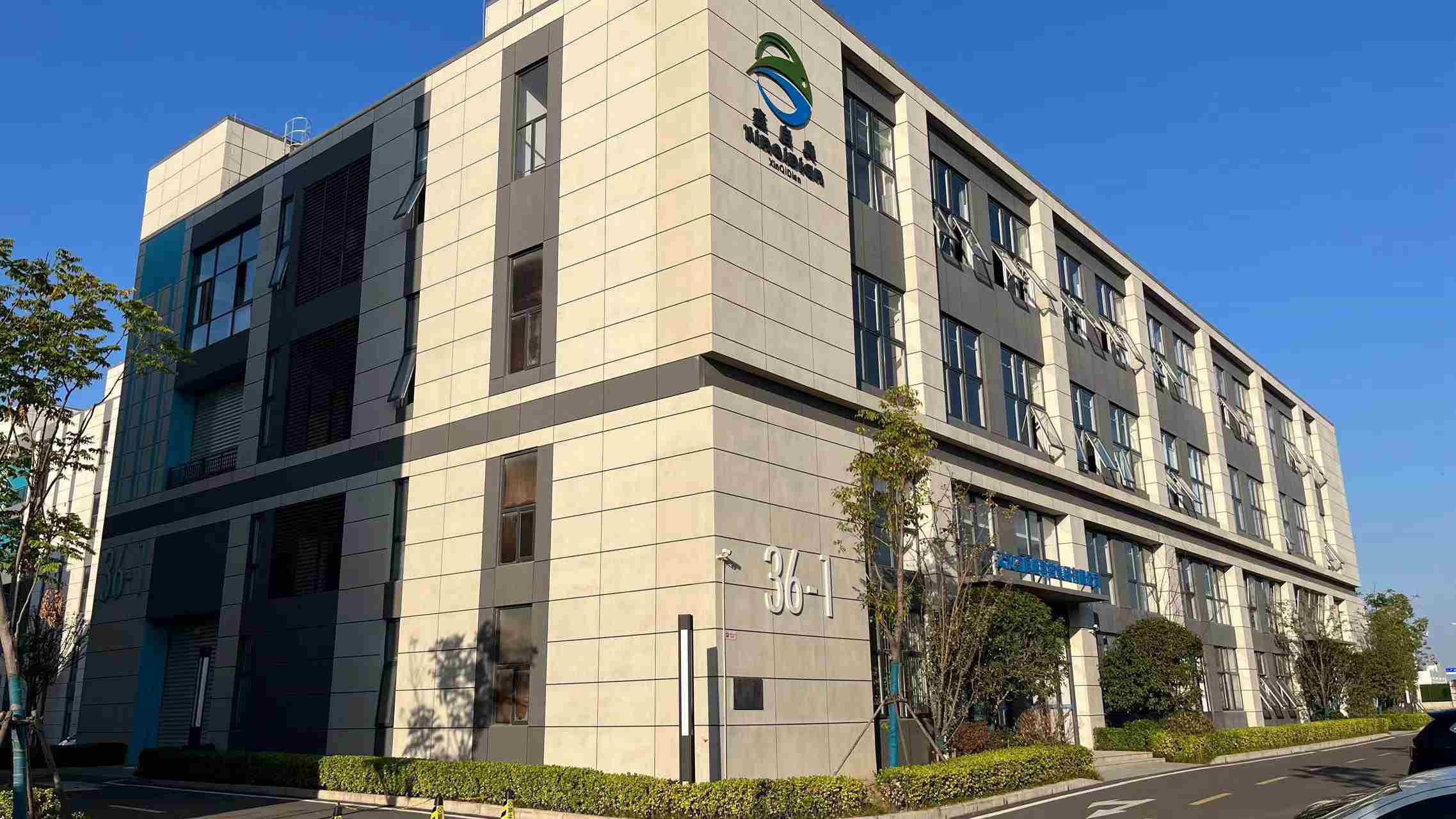
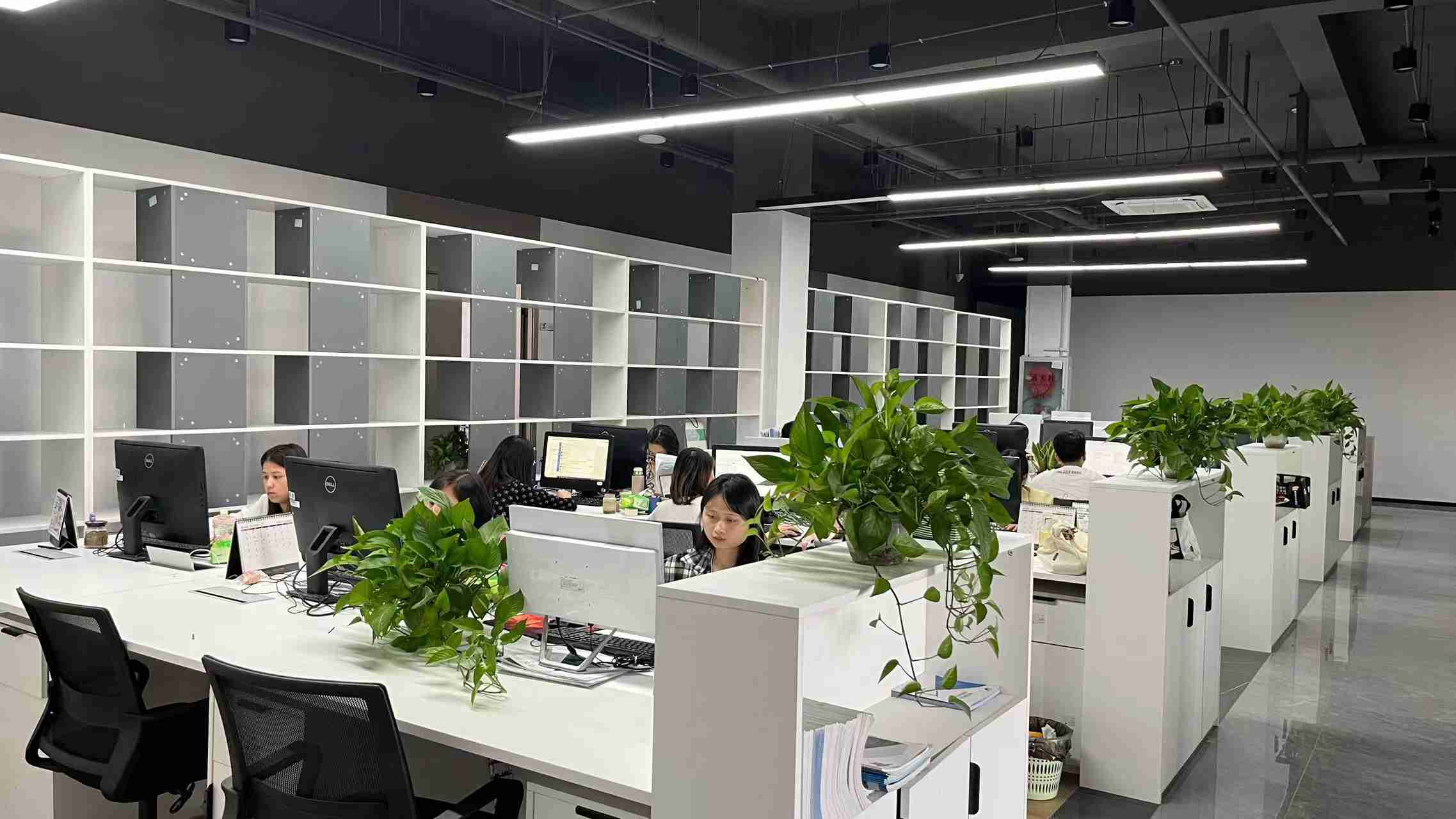
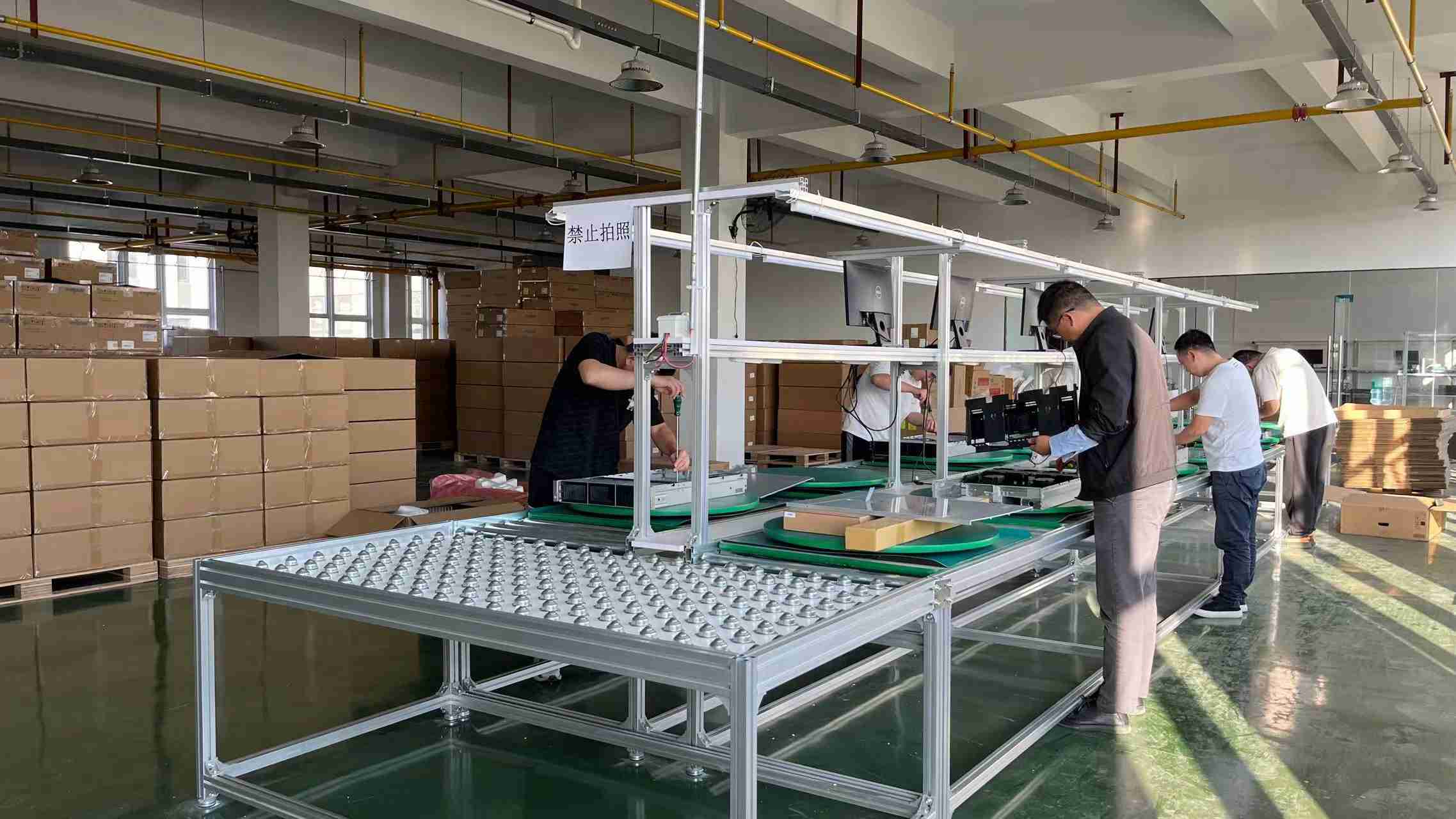
Every single server and database module we assemble undergoes a grueling validation sequence before shipment:
Upstream components (CPUs, high-frequency DDR5 memory, SSD controllers, storage controller chips) are sourced only from certified silicon fabs and authorized global distributors. Our incoming quality control ensures that counter-feit components never enter our assembly lines.
Database hardware operates 24/7. To guarantee long-term stability, our systems are placed inside environmental chambers under full processing load for 48 to 72 hours, validation testing cooling performance and thermal limits.
Our factory partners and close connection with approximately 850 upstream and downstream suppliers provide us with unique logistics buffers. Even during periods of global silicon shortage, Aiserveon's procurement engine secures priority chip allocation, ensuring steady lead times and consistent pricing for our wholesale clients.
Sourcing critical database infrastructure components from a foreign manufacturer requires a clear understanding of international trading terms, logistics channels, and hardware validation protocols.
Our workflow ensures complete transparency: configuration design -> prototype testing -> pilot production -> mass production testing -> secure transport. For custom designs (ODM), our 85 experienced hardware engineers deliver CAD models and thermal airflow simulation maps within 10-15 business days. We provide global DDP, CIF, or FOB terms, utilizing specialized electronics forwarders to prevent physical shock damage during global air/ocean freight.
Frequently asked questions concerning hardware sourcing, compatibility, and custom database optimization.
Fibre Channel (FC) Host Bus Adapters (HBAs) like the Emulex LPe35002-M2 deliver dedicated, lossless block storage networks. By running at 32GFC speeds, they minimize system processing delays and latency overhead, allowing the database query engine to access remote storage arrays with the speed of local flash storage.
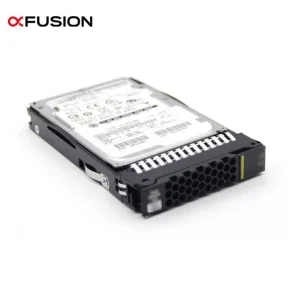
Tri-Mode RAID cards enable SAS, SATA, and NVMe drives to operate on a single backplane concurrently. This flexibility allows database administrators to implement tiered storage architectures: placing hot tables and active redo logs on ultra-fast NVMe flash drives, while storing historical archive tables on cost-efficient SATA/SAS HDDs.
Aiserveon sources and tests components alongside native platform environments. Our enterprise solid-state drives (SSDs) and processors undergo cross-platform hardware validation to ensure complete BIOS recognition, performance scaling, and accurate diagnostic telemetry reporting via out-of-band management controllers.
Yes, our ODM services include physical chassis paint matching, custom logo silkscreening, custom BIOS configurations (setting default security parameters and power tuning properties), and packaging design to support direct delivery under your brand identity.