Aiserveon
Aiserveon
Aiserveon
The computational demands of modern data analysis pipelines have grown exponentially. Today's enterprise analytics software is no longer restricted to executing simple SQL queries or basic business intelligence visualization tools. Instead, it relies on complex, heavy workloads: real-time predictive modeling, natural language processing, deep learning inference, and large-scale clustering. To support these resource-intensive processes, businesses require co-designed, specialized hardware.
As a leading player in OEM/ODM Analytics Software and Server Integration, Aiserveon Intelligent Computing Tech Co., Ltd. builds the high-performance hardware foundations that allow analytical platforms to run at maximum efficiency. By providing tailored BIOS/firmware alignments, high-density GPU computing clusters, and ultra-fast NVMe storage routing, we ensure that advanced enterprise analytics software can bypass physical bottlenecks. This cohesive integration is essential to delivering real-time, low-latency insights that drive modern business operations.
Standard off-the-shelf hardware configurations often limit the true capacity of customized analytics applications. Our dedicated OEM/ODM engineering teams specialize in customizing BIOS, PCIe routing structures, and memory profiles. This alignment allows system architectures to adapt directly to the specific execution behaviors of your proprietary algorithms, significantly reducing compute time and memory latency.
Modern machine learning models and large-scale analytics platforms require vast parallel processing capabilities. We build high-density GPU servers and configure high-performance computing (HPC) nodes. These systems are optimized to handle complex workloads, such as deep learning model training, deep reasoning processes (like DeepSeek configurations), and massive tabular analytics pipelines.
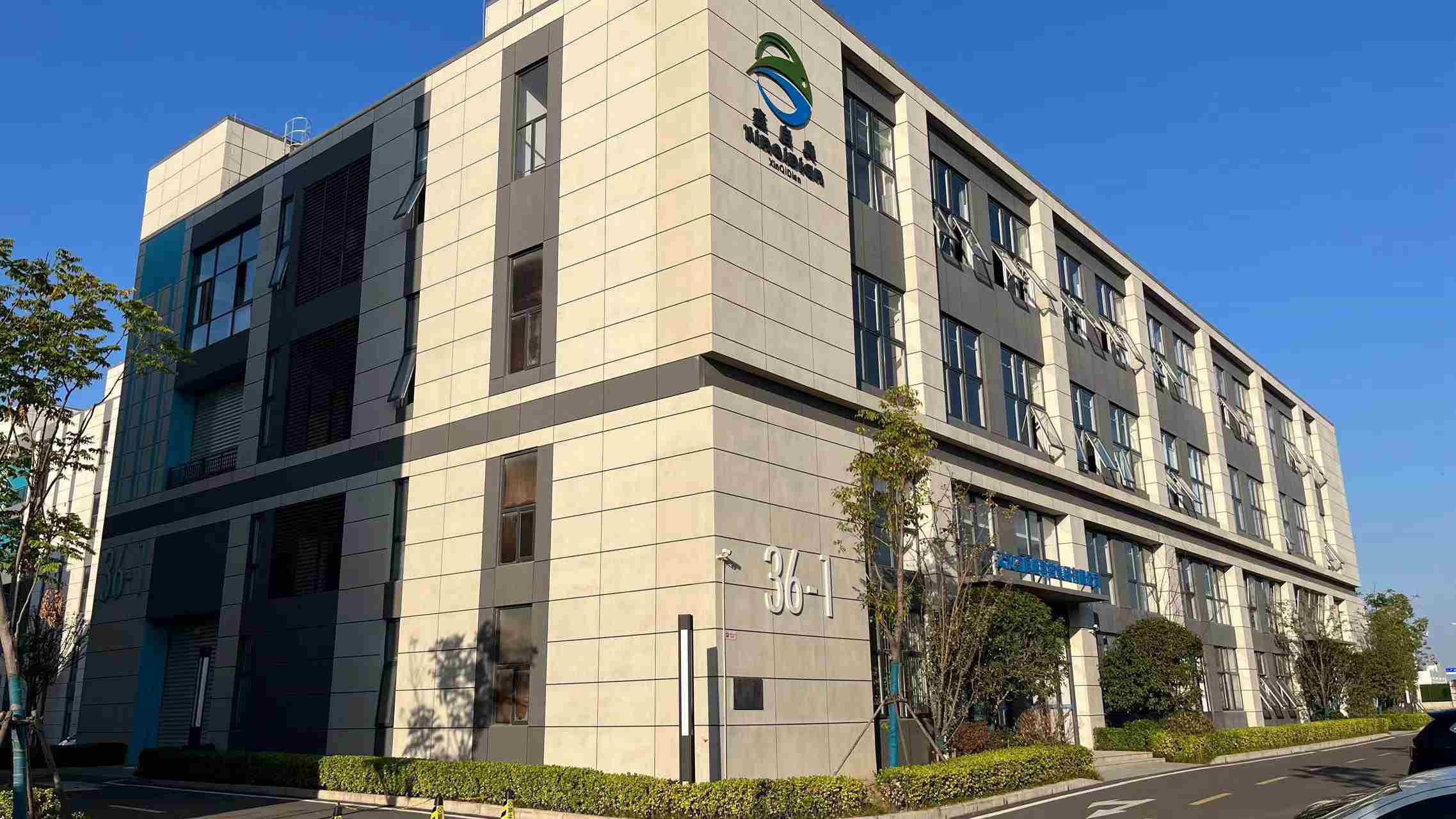
Aiserveon Intelligent Computing Tech Co., Ltd. is a specialized manufacturer of AI servers and intelligent computing infrastructure. We focus on developing high-performance GPU servers, AI clusters, and custom data center solutions. Operating globally under the Aiserveon brand, the company is recognized for its supply chain integration, quality control standards, and hardware customization services.
Operating in demanding data center environments requires rigorous quality standards. Our 45-person quality control team manages a comprehensive, multi-stage inspection process to ensure hardware reliability:
China remains the center of the global hardware manufacturing ecosystem, offering structural advantages in production speed, component sourcing, and cost-efficiency. Sourcing OEM/ODM analytics platforms and servers from Shenzhen allows enterprise buyers to leverage a highly responsive supply network.
By collaborating with over 850 upstream partners, we can source semiconductors, high-density PCBs, complex power supplies, and structural enclosures with minimal lead times. This allows us to scale production rapidly to meet market demands.
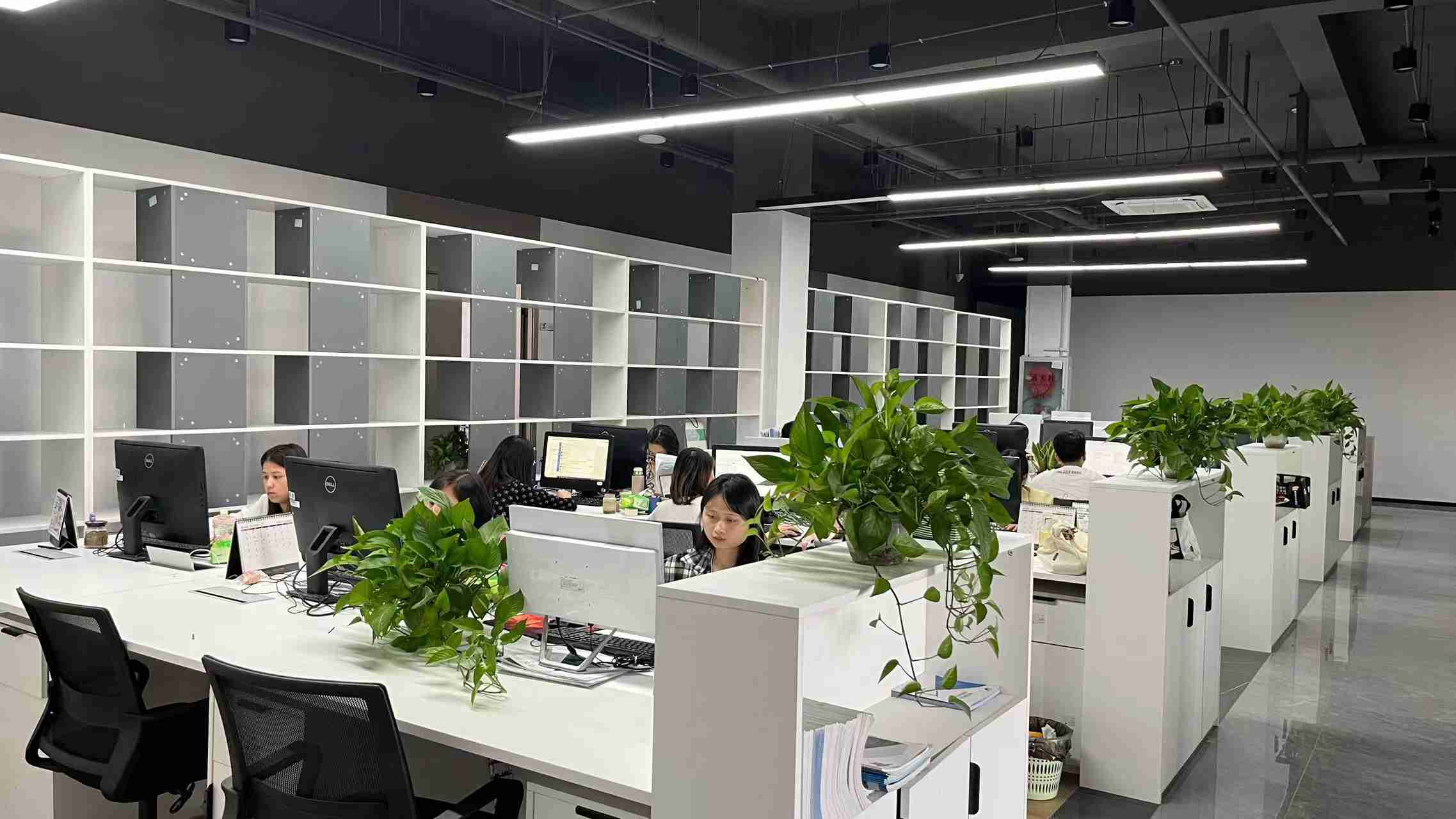
Our team of 85 hardware and system engineers can convert client requirements into physical prototypes in a fraction of the time required by Western manufacturers. This acceleration shortens your time-to-market.
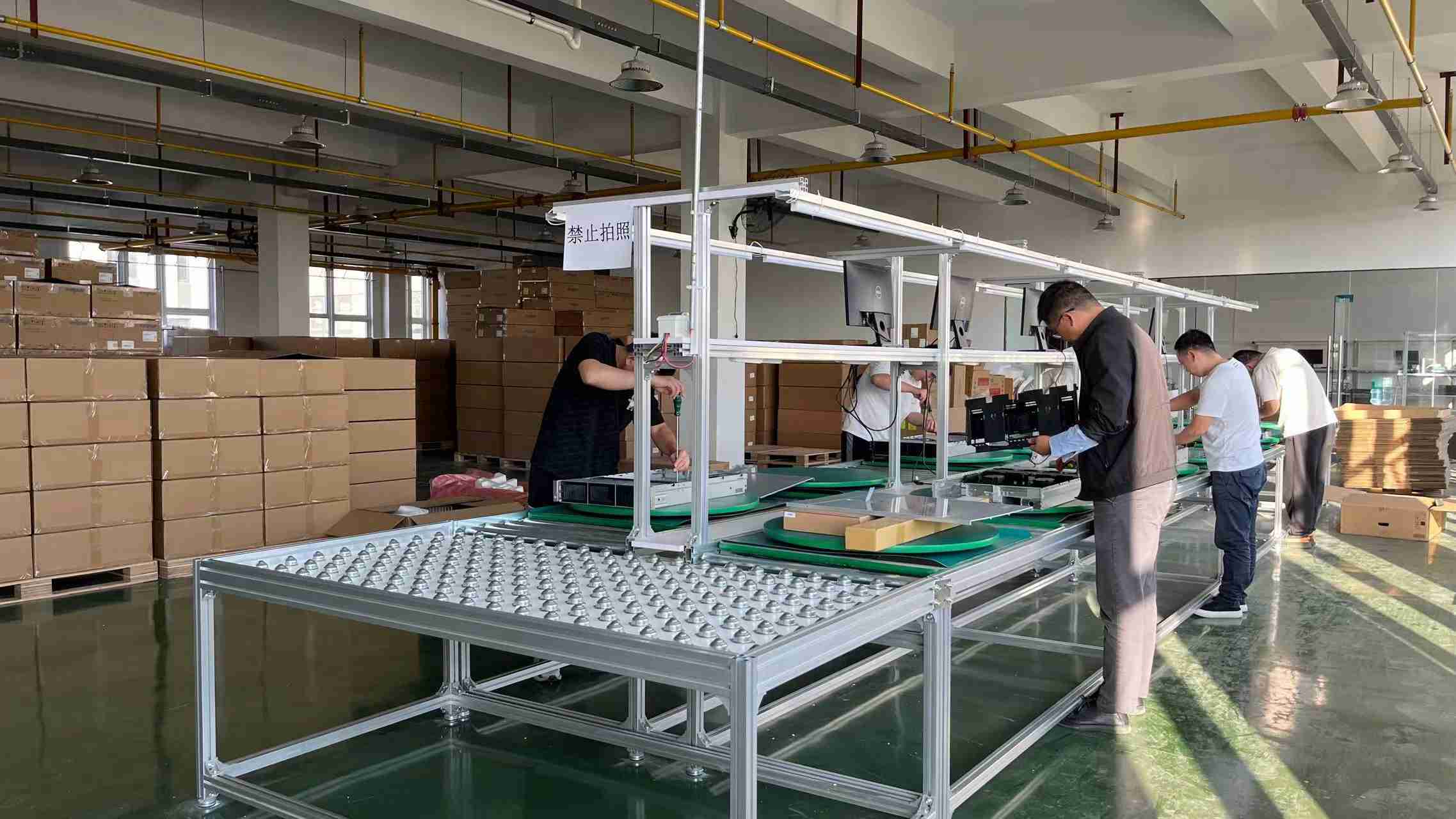
Our assembly facilities feature advanced testing infrastructure, including automated environmental testing chambers and dynamic loading benches. These systems support both small-batch specialized orders and high-volume production runs.
Several key hardware developments are shaping how organizations design and deploy enterprise analytics platforms:
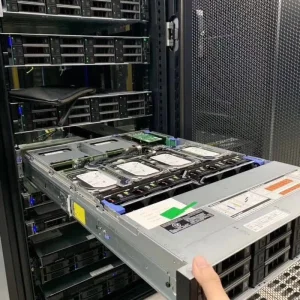
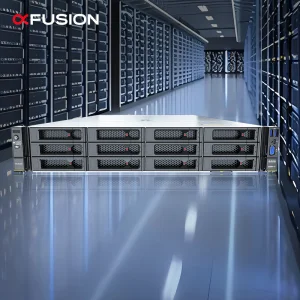
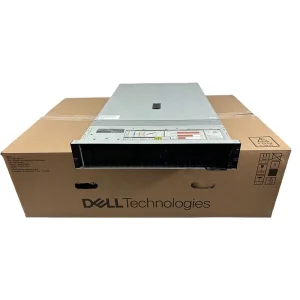
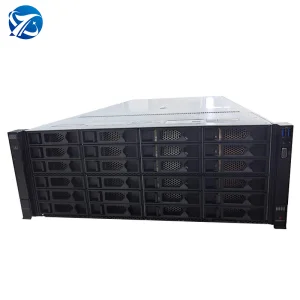
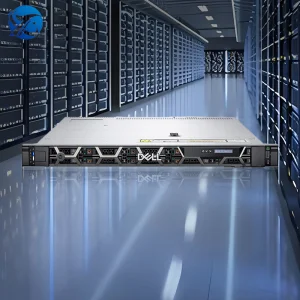
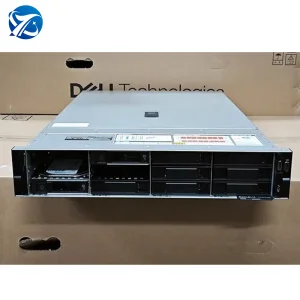
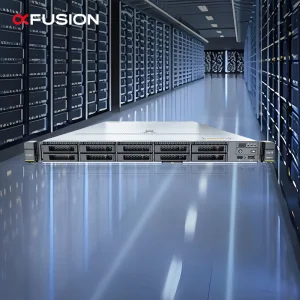
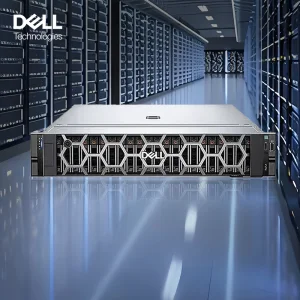
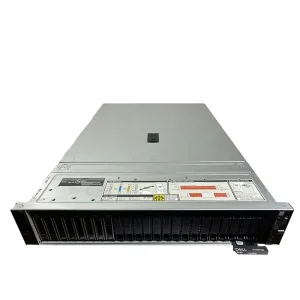
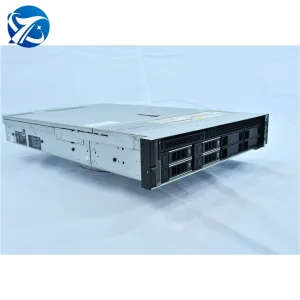
Modern analytics suites are increasingly incorporating large language models and reasoning systems, such as DeepSeek architectures. Running these models requires specialized high-performance GPU configurations (like the Dell PowerEdge and xFusion server systems). These platforms optimize GPU-to-GPU interconnect bandwidth, ensuring high throughput for token generation and text analysis.
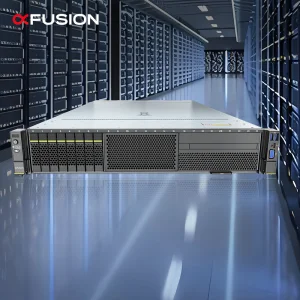
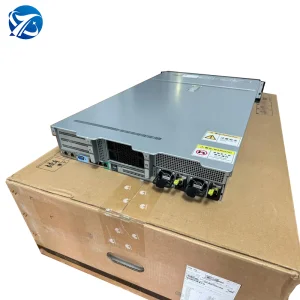
Traditional data center designs separate compute, storage, and networking resources, which can introduce latency during heavy analytics runs. Hyperconverged architectures (e.g., xFusion 2288H V7) combine compute, storage, and virtualization into a single, unified chassis. This design reduces internal data transfer latency, facilitating real-time analysis of large datasets.
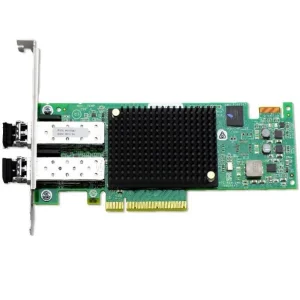
Real-time analytics platforms require highly responsive data pipelines. By utilizing advanced Fibre Channel Host Bus Adapter (HBA) cards, like the Emulex LPe35002-M2, systems can maintain high-bandwidth connections to SAN arrays. This allows data engines to ingest and process information without encountering network transfer bottlenecks.
High-density computing components generate significant heat. Modern server configurations must incorporate efficient cooling architectures—such as advanced fan speed controls, direct-to-chip liquid cooling systems, and optimized chassis airflow. These features allow hardware to operate stably during prolonged, high-load calculation cycles.
Our custom-engineered hardware solutions support high-performance analytics workloads across several key industries:
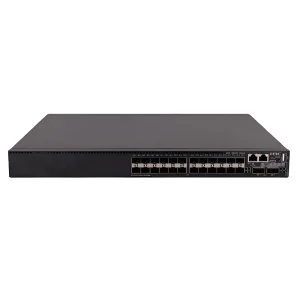
Edge-computing nodes and local analytics arrays ingest video, sensor data, and telemetry across urban networks. Standard rack designs, integrated with high-performance networking switches like the H3C S6520X-30QC-EI, process this data at the edge to support real-time traffic management and public safety applications.
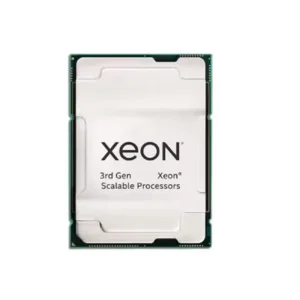
High-frequency trading and risk assessment models require minimal processing delays. Sourcing servers configured with enterprise-grade Xeon processors and low-latency network interface cards allows financial firms to optimize their execution pipelines and perform real-time market analysis.
Virtualization platforms and multi-tenant cloud providers deploy hyperconverged server infrastructure to support scalable computing resources. Features like DDR5 memory, fast PCIe slots, and dual-port HBA cards allow providers to allocate performance dynamically to meet tenant requirements.
International procurement teams must navigate several key factors when sourcing high-density computing hardware: