Aiserveon
Aiserveon
Aiserveon
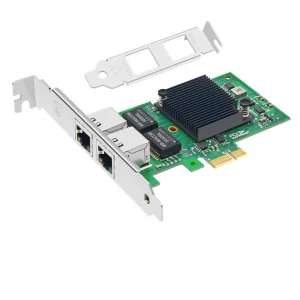
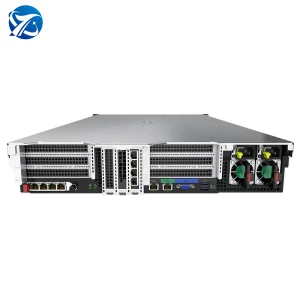
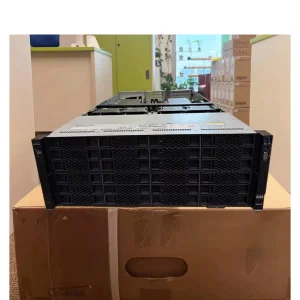
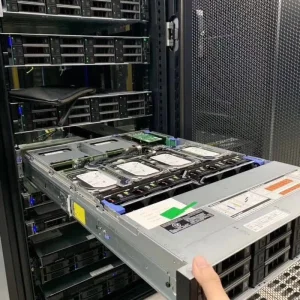
Aiserveon Intelligent Computing Tech Co., Ltd. is an enterprise-level manufacturer of advanced AI servers and high-density intelligent computing infrastructure. With a core focus on high-performance GPU integration, scalable AI clusters, and optimized cloud data center infrastructure, we enable enterprises, hyperscalers, and AI startups worldwide to handle computationally intensive workloads safely and efficiently.
Our company leverages over 12 years of industry experience and 6 years of international export operations to deliver robust, custom-tailored server platforms. Under our global brand Aiserveon, we have cultivated a reputation as a trusted manufacturing partner. We excel in hardware configuration customization, custom chassis and branding, BIOS/firmware localization, and direct thermal management optimization, serving a network of approximately 850 upstream and downstream supply chain partners.
As enterprise operations transition to hybrid-cloud frameworks, the demand for highly efficient, dense computing systems is surging. Hewlett Packard Enterprise (HPE) has consistently set the baseline for modern computing. Adapting HPE’s advancements to OEM/ODM models requires understanding their long-term technical direction.
HPE’s current generation (including Gen11 platforms) introduces massive architectural evolutions centered around AMD EPYC™ (Genoa and Bergamo) and Intel® Xeon® Scalable (Emerald Rapids and Granite Rapids) processors. These architectures support PCIe Gen 5 bandwidths (doubling the throughput of the previous generation to 128 GB/s in x16 slots) and lay the foundation for Compute Express Link™ (CXL 1.1 / 2.0 / 3.0) protocols. CXL decouples memory allocations, allowing servers to pool memory blocks over high-speed networks, resolving the "memory wall" that often chokes large-scale LLM training algorithms like DeepSeek and LLaMA.
Next-generation server architectures rely heavily on combining CPUs with specialized accelerators (GPUs, TPUs, and FPGAs). Gen11 chassis layouts are engineered to support maximum power density, accommodating up to 4 double-wide or 8 single-wide PCIe accelerator cards in standard rack layouts.
By leveraging CXL 2.0, enterprise compute nodes can dynamically allocate and share memory pools. This significantly lowers overall latency, increases memory capacity per core, and reduces the waste of idle RAM resources in highly virtualized workloads.
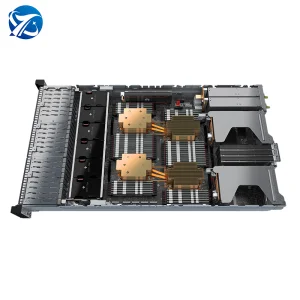
As modern CPU TDP values push beyond 350W and high-end AI GPU systems exceed 700W, traditional air cooling is reaching its limits. The roadmap shows a clear shift toward Direct Liquid Cooling (DLC) loops and closed-loop liquid-assisted chassis designs to keep operation reliable and reduce power usage.
From an OEM/ODM perspective, keeping up with these technologies means updating backplane layouts to support PCIe Gen 5 routing, improving power distribution units (PDUs) to support up to 3200W redundant Titanium PSUs, and optimizing chassis cooling paths. Aiserveon’s R&D department closely tracks these server roadmaps. This allows us to offer global buyers bespoke server builds that match the performance, reliability, and security of tier-1 platforms at optimized cost profiles.
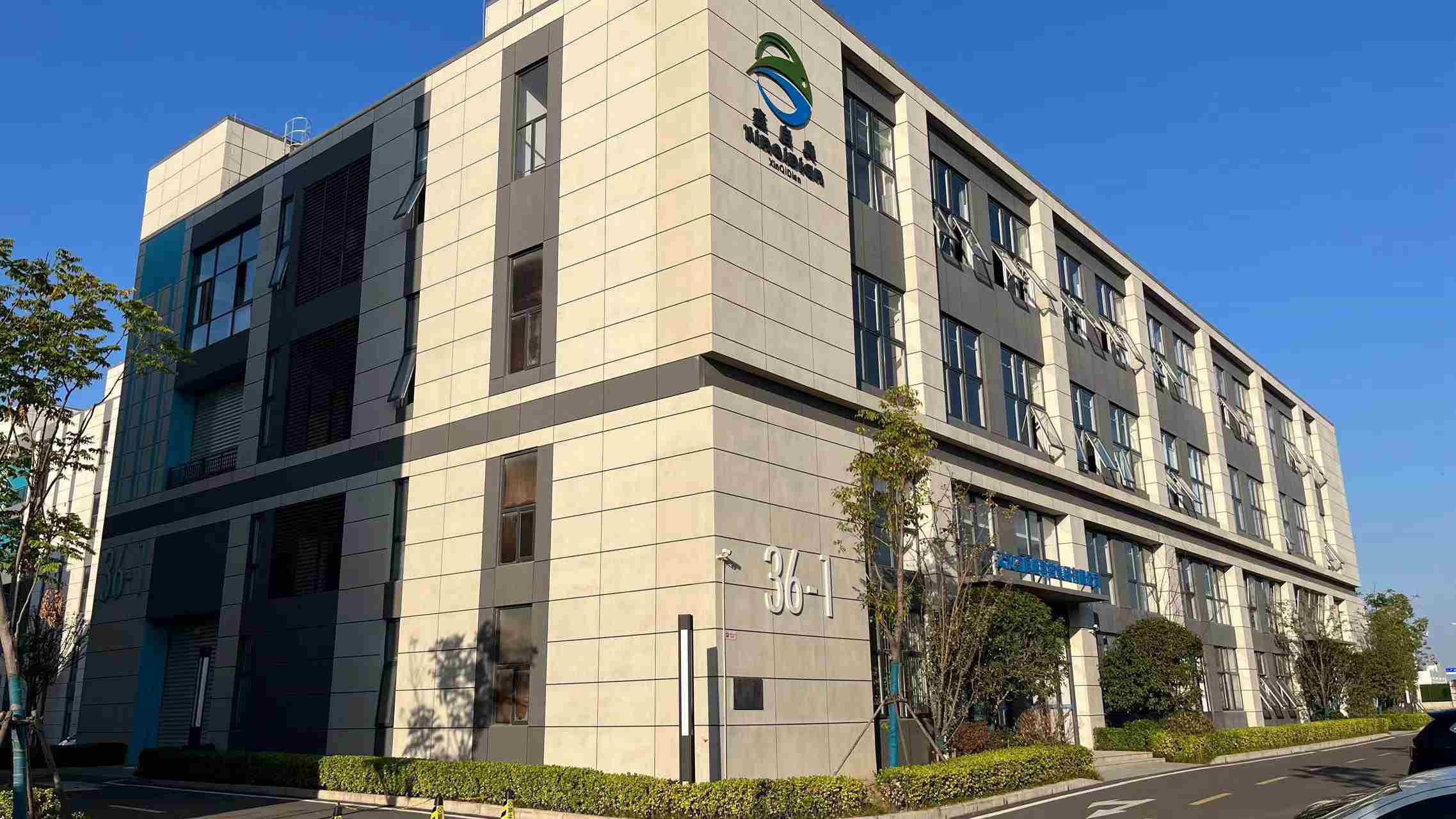
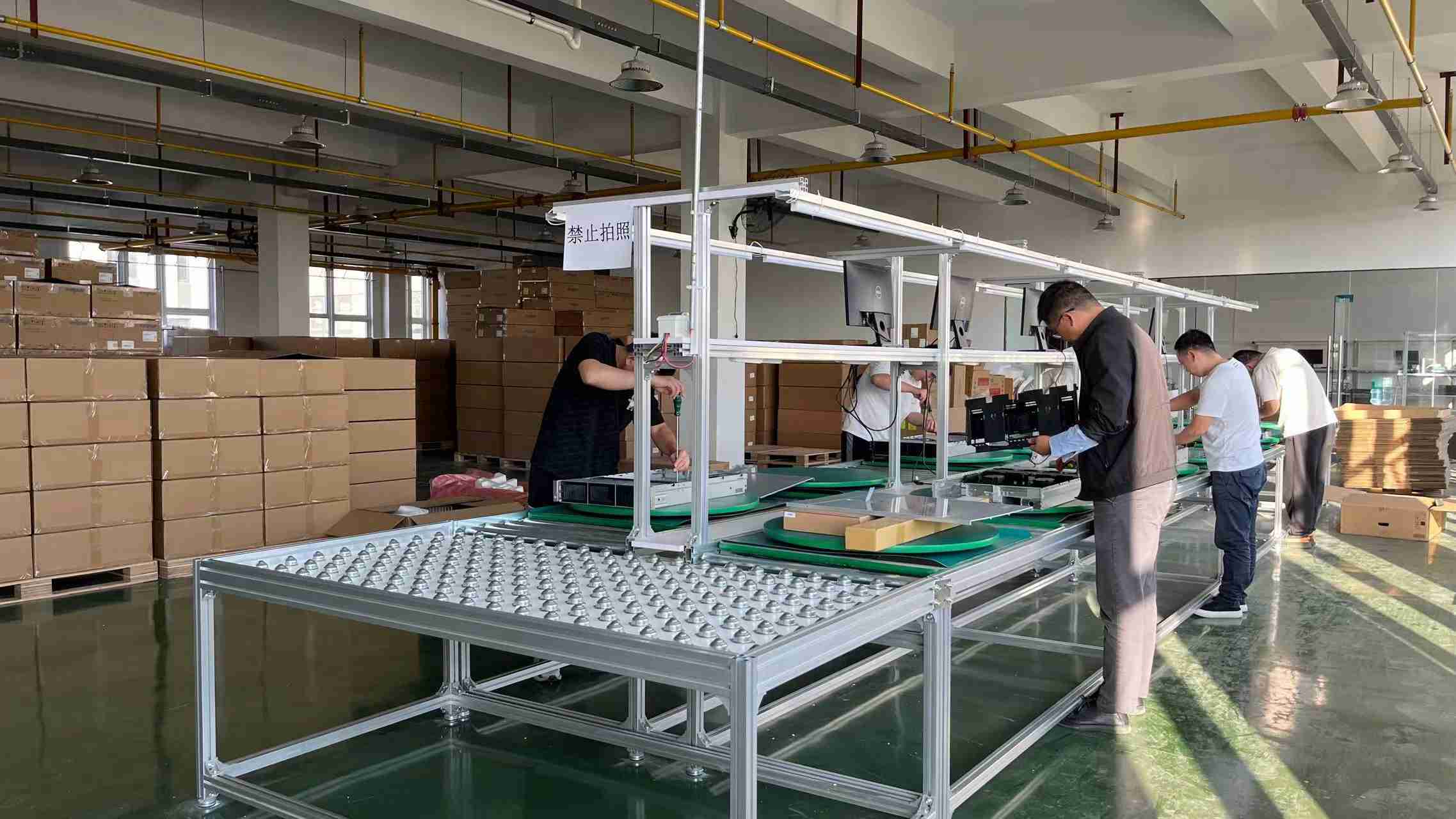
The global server market demands shorter lead times and higher build accuracy. Aiserveon's manufacturing base in China operates under Factory 4.0 standards. This approach integrates raw material logistics, assembly automation, and strict testing protocols to guarantee consistent product quality.
By coordinating with over 850 verified component suppliers, we secure access to essential semiconductors, including DDR5 memory chips, NVMe PCIe Gen4/5 enterprise SSDs, advanced array controller cards (such as LSI and custom architectures), and server barebones. This robust supplier ecosystem allows us to bypass global supply bottlenecks and ensure steady shipping schedules, even for high-volume custom chassis orders.
Quality at Aiserveon is managed through a multi-stage testing workflow, supervised by a specialized quality control team of 45 engineers:
Every server we ship goes through a rigorous burn-in protocol: 72 hours of continuous full-load stress testing under high ambient temperatures. Our test bays simulate data center workloads by running intensive read/write cycles on memory lanes, stressing drive controllers, and pushing processor cores to 100% capacity. This ensures all components remain thermally stable and eliminates early component failures before shipping.
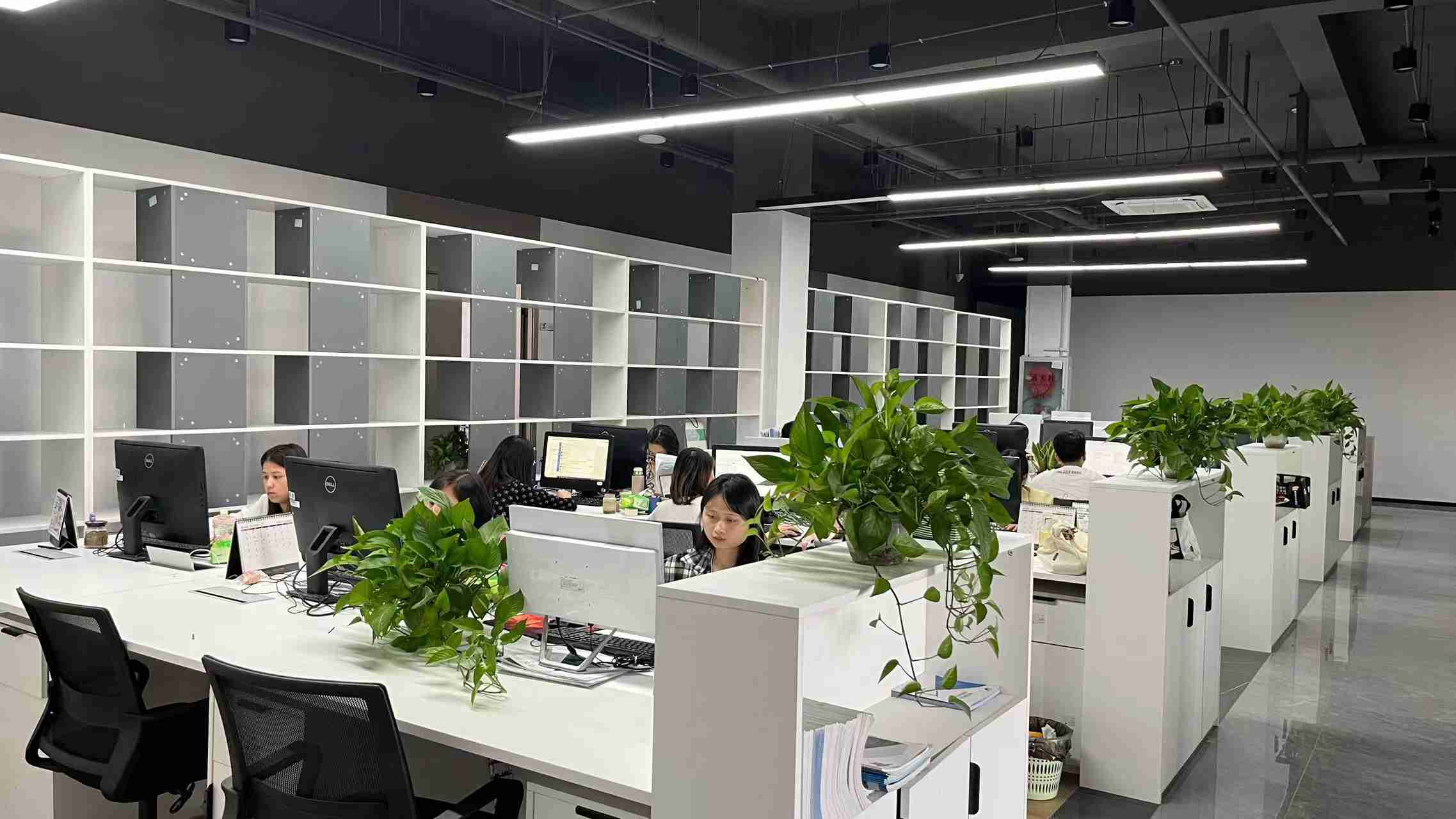
Different industries require distinct server builds. A one-size-fits-all server often leads to unnecessary hardware costs or system bottlenecks. Aiserveon designs and manufactures purpose-built layouts optimized for specific computing demands:
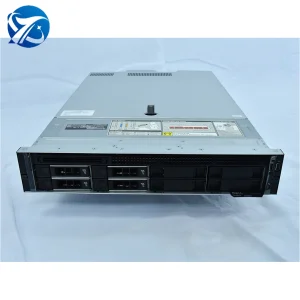
Modern AI processing requires immense GPU parallel computing power. We engineer custom GPU systems (such as 4U GPU nodes and 2U multi-socket high-density servers) to handle high thermal loads. These systems feature robust internal airflow channels and dedicated power paths designed to run heavy inference, deep learning, and advanced AI tasks without thermal throttling.
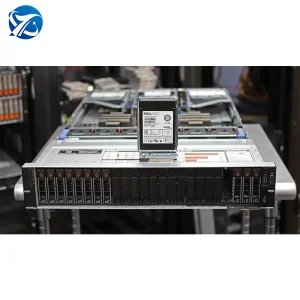
For hyperscalers and cloud service providers, maximizing core density and virtualization capacity per rack unit is key. Our 1U and 2U rack servers support dual Intel Xeon or AMD EPYC configurations with up to 32 DDR5 memory channels. This setup provides the memory bandwidth and core density needed to host virtual machines, run containerized environments (Kubernetes), and manage high-traffic applications.
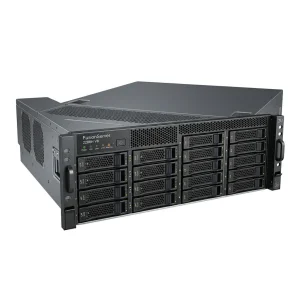
For organizations managing massive media databases, security footage, or distributed object storage (like Ceph), we supply high-capacity 4U storage servers. These systems feature up to 36 hot-swappable drive bays. This architecture maximizes storage density per rack unit, lowering data center footprints and overall operating costs.
Exporting complex hardware requires navigating strict international regulations. Aiserveon’s operations comply with key global standards, including CE, FCC, RoHS, UL, and CCC. This ensures our servers can be integrated into corporate networks in North America, Europe, Southeast Asia, and the Middle East without legal or safety issues.
We provide localized engineering support to help clients integrate customized BIOS and BMC firmware, like IPMI 2.0 or Redfish-compliant controllers. This compatibility allows our servers to fit directly into existing system monitoring dashboards (such as HPE OneView, Nagios, or Zabbix) without compatibility issues. We also offer swift RMA workflows and component spare pools in partner regions to ensure replacement parts are always available, minimizing system downtime.
For procurement managers and CTOs, choosing the right server provider is a balance between hardware cost (CAPEX), upkeep costs (OPEX), and build quality. Opting for direct OEM/ODM customization offers clear advantages:
| Metric | Standard Tier-1 Vendors | Aiserveon OEM/ODM Solutions |
|---|---|---|
| Customization Scope | Fixed configurations; restricted third-party drive/memory support. | Complete flexibility (tailored BIOS, chassis branding, custom storage layout). |
| CAPEX / Acquisition Cost | Premium pricing due to brand markup and software lock-ins. | Optimized costs; direct-from-factory pricing with open-standard component sourcing. |
| Lead Times | Often subject to complex global distributor delays. | Short lead times managed by direct supply agreements with 850+ partners. |
| System Integration | Proprietary management suites (e.g., iLO, iDRAC license upgrades). | Open IPMI 2.0 / Web-GUI BMC standards, ready for global monitoring systems. |
A: While HPE ProLiant systems provide standard enterprise platforms, Aiserveon OEM/ODM servers offer comparable compute density and component flexibility at an optimized price. We build systems that support high-density configurations, open BMC management protocols, and custom bios options. This allows users to scale up without vendor lock-in or premium software licensing fees.
A: We offer extensive personalization, including custom logo painting on front bezels, custom system startup screens (BIOS splash screen), pre-loaded customer SSH keys, and custom security settings inside the firmware. This is ideal for system integrators, MSSPs, and software providers who want to deliver pre-configured systems under their own brand.
A: Every assembled server goes through a multi-stage QC process (IQC, IPQC, FQC, OQC). We subject all builds to 72 hours of full-load stress testing using diagnostic tools that push memory channels, storage arrays, PCIe links, and processors to their thermal limits. This helps prevent hardware faults from occurring after shipping.
A: Yes, our systems are built to standard EIA-310 dimensions (19-inch racks) and fit standard cabinets. Our BMC management controllers support IPMI 2.0 and Redfish APIs, allowing integration into monitoring utilities like HPE OneView, Nagios, Zabbix, and Prometheus.
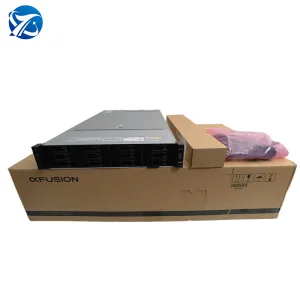
A: We package servers in anti-static bags, thick custom-molded foam, and reinforced cartons. Heavy or large multi-node systems are shipped on secure wooden pallets. This packaging minimizes shipping vibrations and impacts, ensuring your hardware arrives intact and ready for deployment.