Aiserveon
Aiserveon
Aiserveon
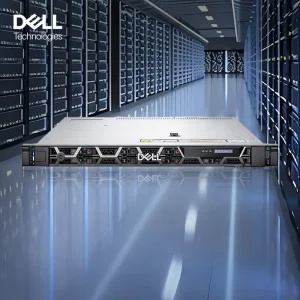
Select high-performance GPU, AI, and Rackmount platforms optimized for next-generation Private Cloud deployments.
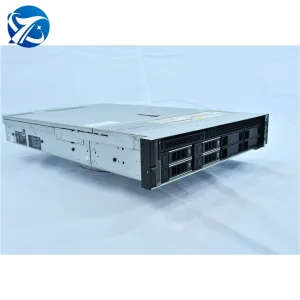
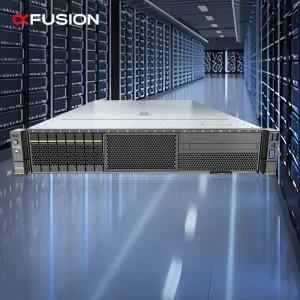
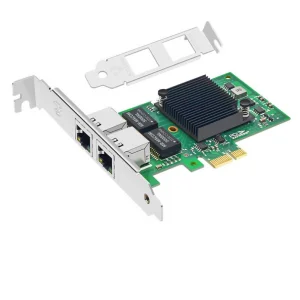
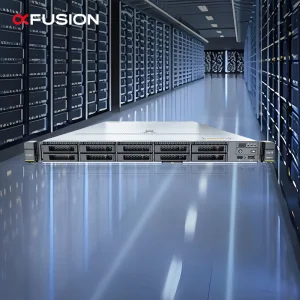
An authoritative analysis on hyperconverged systems, GPU clustering, and custom hardware supply chains for global enterprise scale.
In the era of hyper-scale computing and high-density AI integration, enterprises are facing an architectural turning point. While public clouds offered rapid scalability over the past decade, considerations surrounding data sovereignty, soaring total cost of ownership (TCO), and performance bottlenecks associated with latency have triggered a massive migration back toward hybrid and dedicated private environments. As a result, the global demand for custom-engineered Private Cloud infrastructures has surged exponentially. Enterprise IT directors, hyperscalers, and system integrators no longer rely solely on off-the-shelf, standard server units. Instead, they seek high-performance, specialized physical hardware designed around their exact application profiles.
This is where OEM/ODM private cloud manufacturers step in to bridge the gap. By offering direct-from-factory customization—ranging from tailored BIOS/firmware and proprietary security protocols to high-density GPU cooling enclosures and specialized hyperconverged storage architectures—OEM/ODM suppliers like Aiserveon Intelligent Computing Tech Co., Ltd. empower businesses to design hardware that aligns perfectly with their computing demands. Whether deploying large language models (LLMs) such as Deepseek, or implementing localized, high-throughput enterprise virtualization, custom-tailored server platforms guarantee optimal resource utilization and long-term operating efficiency.
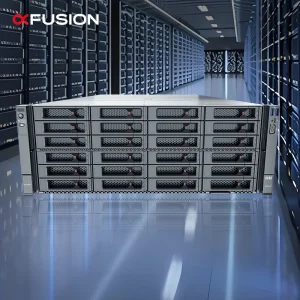
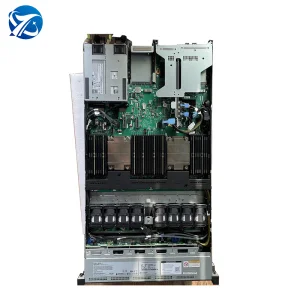
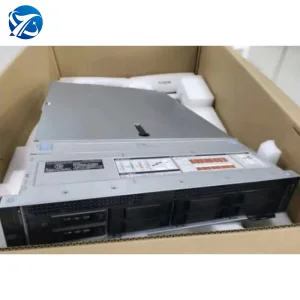
From single-socket 1U nodes to massive 4U multi-GPU high-density computing platforms, get system boards customized for specific I/O bandwidth, PCIe Gen 5.0 lanes, and storage arrays.
Maximize hardware-level security through custom BIOS/UEFI implementations, localized TPM 2.0 provisioning, and proprietary hypervisor compatibility to ensure data compliance.
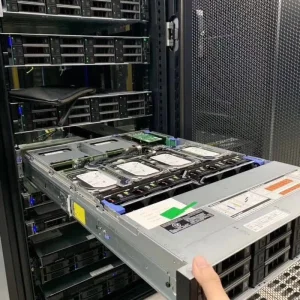
Integrate liquid-cooling loops, high-CFM variable fans, and custom-designed heatsinks to prevent thermal throttling on high-load workloads like Deepseek and large AI clusters.
Understanding the technical, regional, and compliance landscapes shaping modern hardware procurement.
Enterprise procurement teams in North America, Europe, the Middle East, and Southeast Asia operating in fields like finance, healthcare, and state-backed infrastructure face unique hurdles. Unlike public cloud provisioning, procuring physical private cloud infrastructure demands strict adherence to local regulatory frameworks, grid compliance, and logistics protocols. A successful global deployment rests on three critical pillars:
To deploy hardware in regulated markets, servers must pass rigorous local safety and electromagnetic tests. This includes obtaining CE, FCC, RoHS, and UL markings. Furthermore, power supply configurations need to be adapted to localized grid specifications. OEM/ODM suppliers must offer highly efficient 80 Plus Platinum or Titanium power supplies supporting various input voltages (ranging from 110V to 240V, and high-voltage DC options for modern hyperscale datacenters). This level of flexibility guarantees seamless rack integration and drastically lowers Power Usage Effectiveness (PUE) metrics.
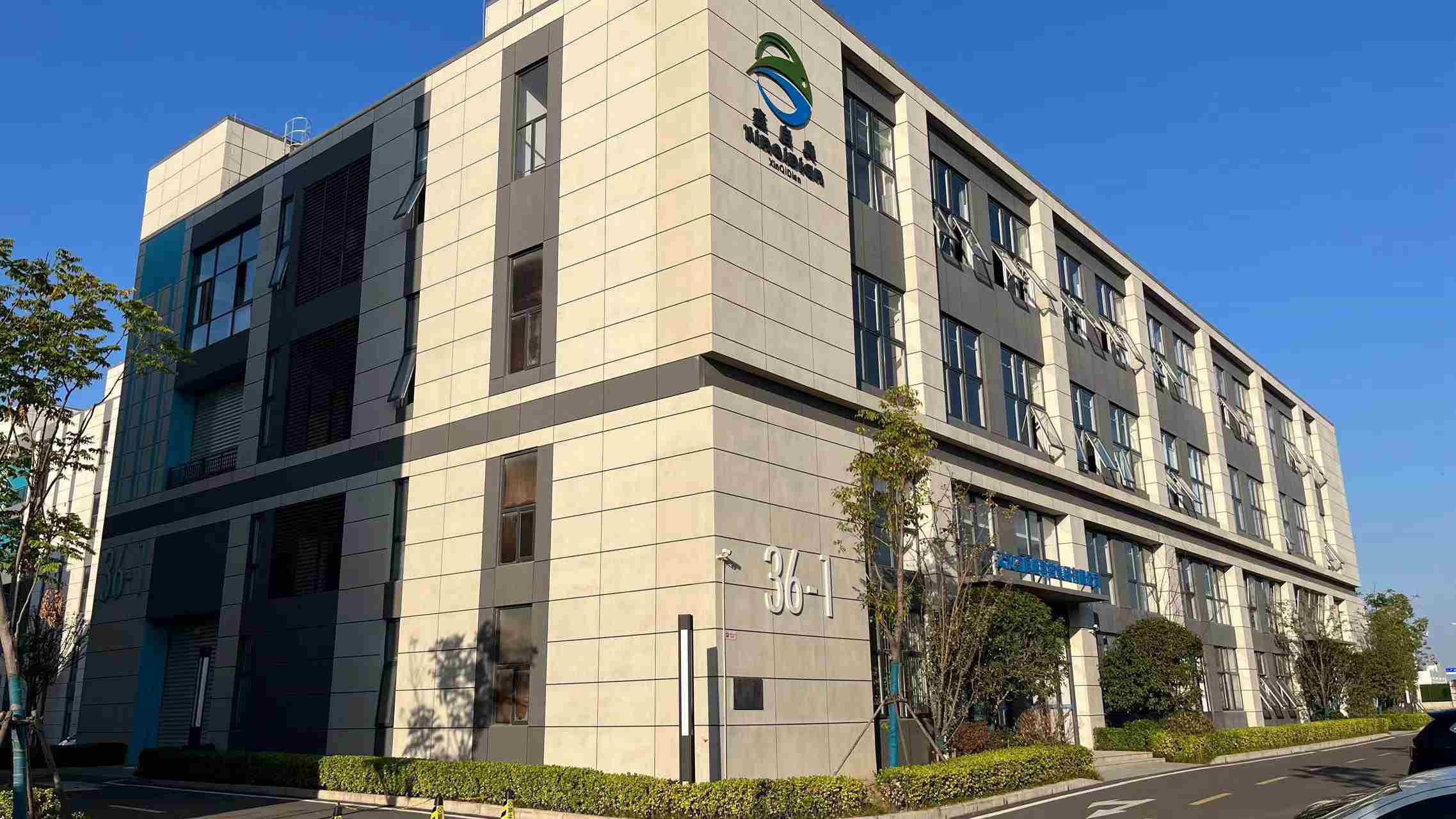
How Aiserveon integrates local supply chains, manufacturing prowess, and strict quality control systems.
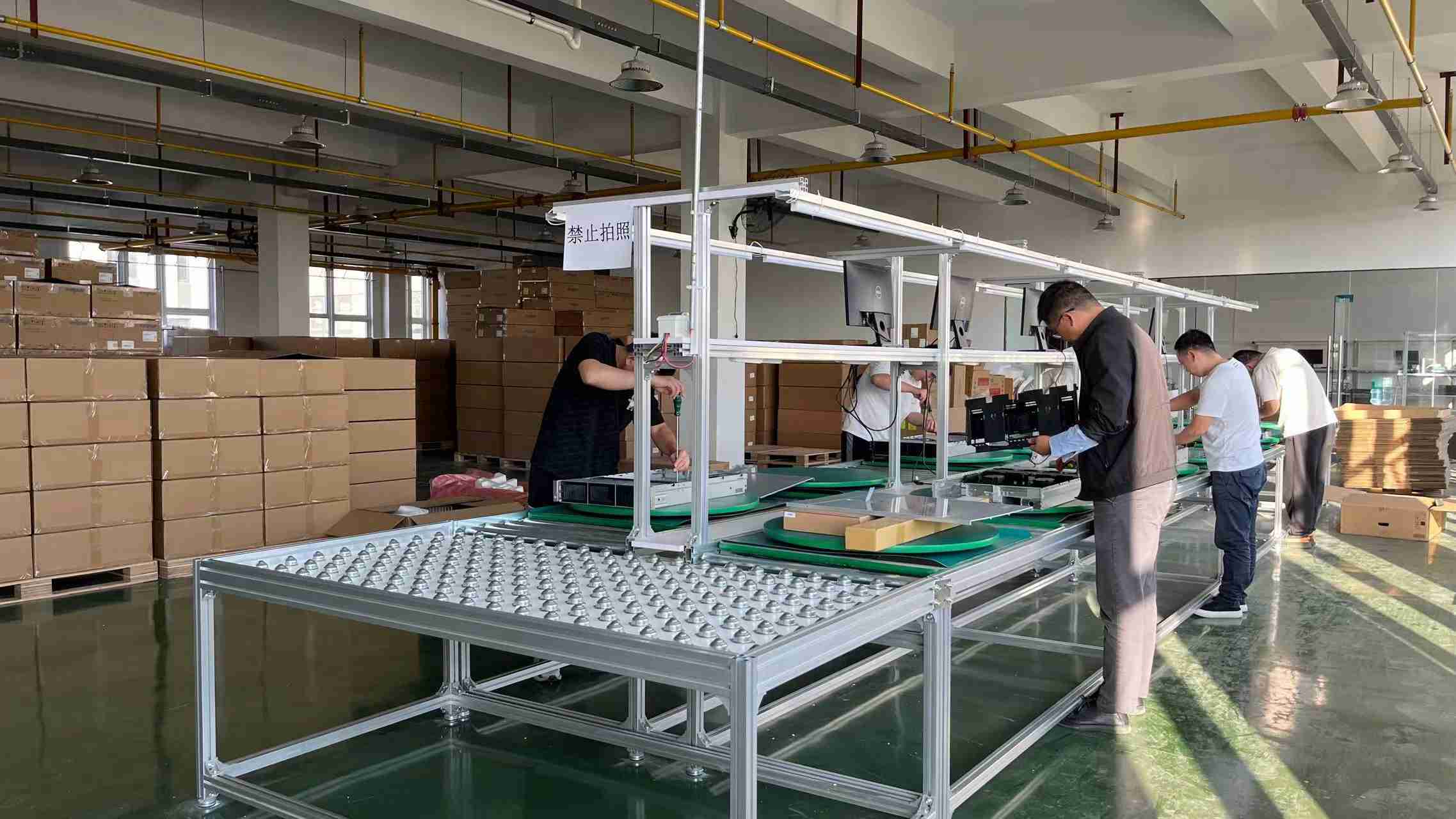
Every single private cloud system is built, tested, and certified under an elite, traceably managed environment.
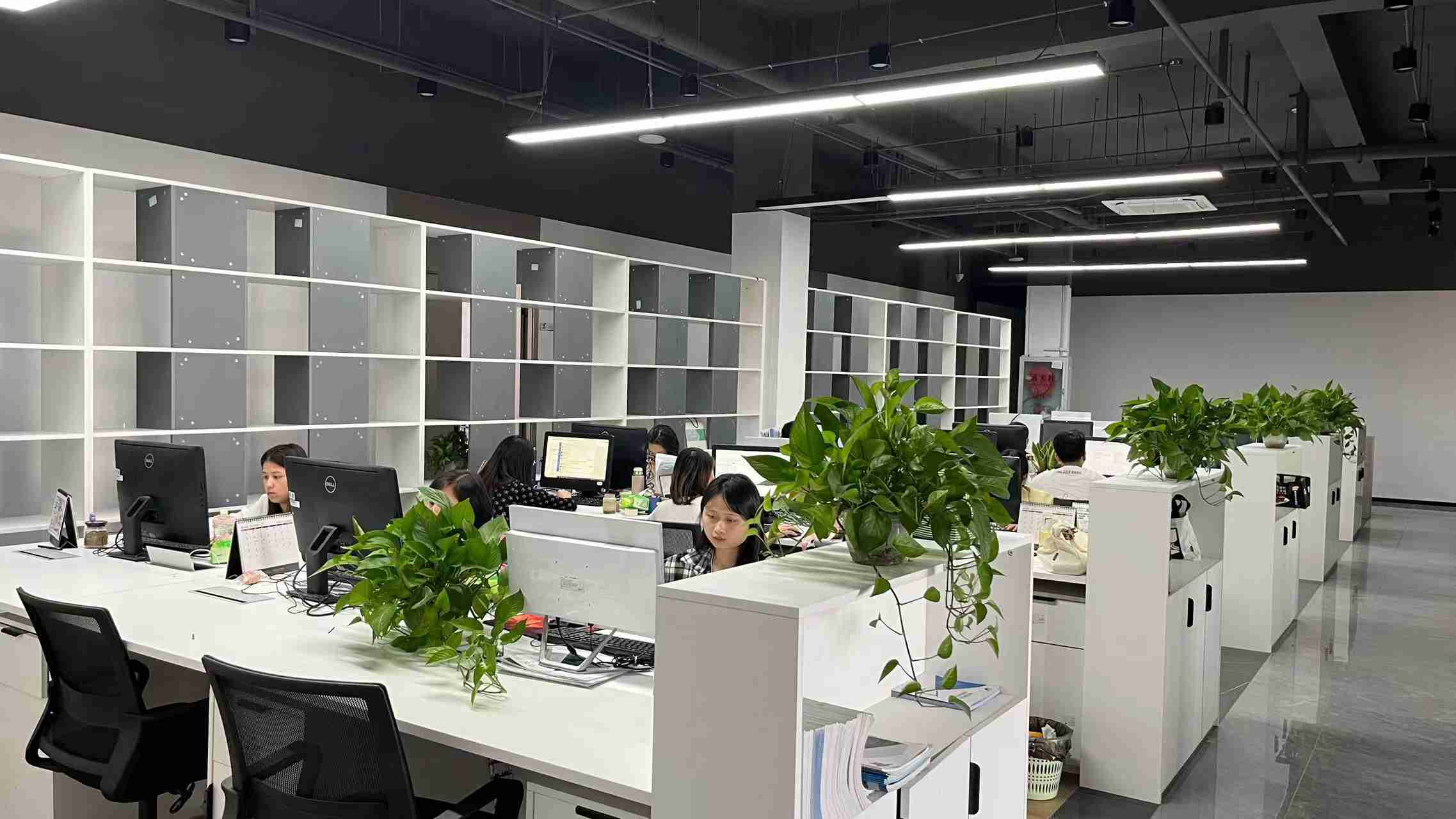
Reliability is the foundation of any enterprise private cloud. A hardware failure at the server layer can cascade into massive downtime, resulting in significant financial losses. To guarantee 99.999% uptime, Aiserveon maintains a highly specialized quality control and engineering ecosystem consisting of 45 professional QC inspectors and 85 dedicated hardware and software engineers. Our multi-stage inspection system leaves no room for errors:
All crucial component shipments (CPUs, GPUs, memory modules, motherboard chipsets, capacitors) undergo microscopic inspections, circuit tests, and authenticity verifications to prevent counterfeit parts from entering the assembly line.
During system assembly, nodes undergo specialized intermediate diagnostic runs. Once completed, the Final Quality Control stage initiates, performing comprehensive functional testing, including interface validation and I/O bus verification.
Every finished server rack undergoes a strict, continuous full-load burn-in process inside custom thermal chambers. This testing simulates high-load server environments to screen for early components infant mortality before packing and global export.
How the rapid integration of machine learning and large models is reshaping infrastructure hardware.
The global cloud infrastructure industry is experiencing a massive paradigm shift. Standard compute nodes are no longer the primary driver of infrastructure growth. Instead, AI-native private clouds are taking center stage. This transition is defined by the following major breakthroughs:
Real-world deployments where custom Private Cloud hardware delivers unmatched performance, security, and low TCO.
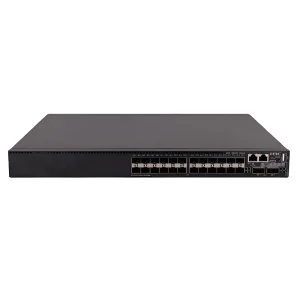
Ultra-low latency networking (using switches like the H3C S6520X-30QC-EI) and secure TPM modules. Ideal for running high-frequency trading algorithms, banking back-ends, and risk simulation environments under strict regulatory oversight.
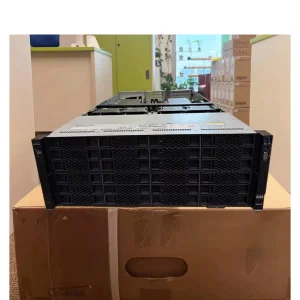
Massive 4U high-capacity storage platforms (such as the 5288 V5 36-Bay rackmount server) allow regional hospitals to store patient records and run AI diagnostic image screening (e.g., CT/MRI analysis) without transmitting private patient data to external public networks.
Decentralized hyperconverged environments run edge workloads locally inside manufacturing hubs, allowing real-time processing of robotic system sensors and cameras with zero latency and high resiliency.
Answers to critical questions surrounding hardware customization, supply chain lead times, and global shipping policies.
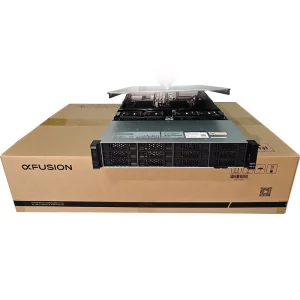
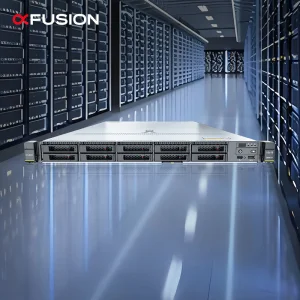
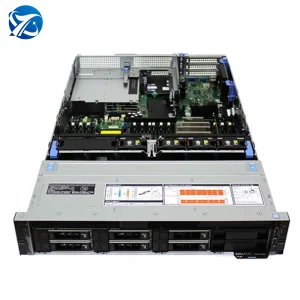
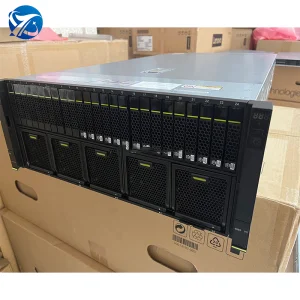
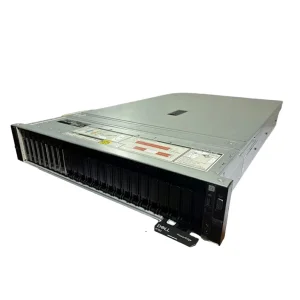
Select from our high-density rackmount nodes, multi-bay storage arrays, and network switches.