Aiserveon
Aiserveon
Aiserveon
High-integrity AI servers, GPU nodes, and network architectures configured with hardened security-first BIOS settings and TPM authorization.
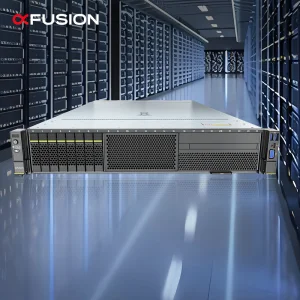
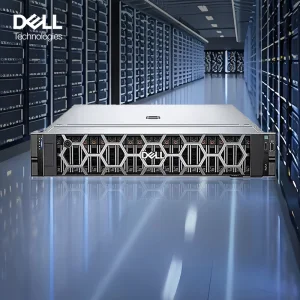
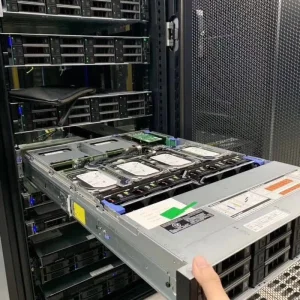
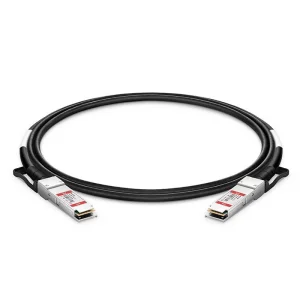
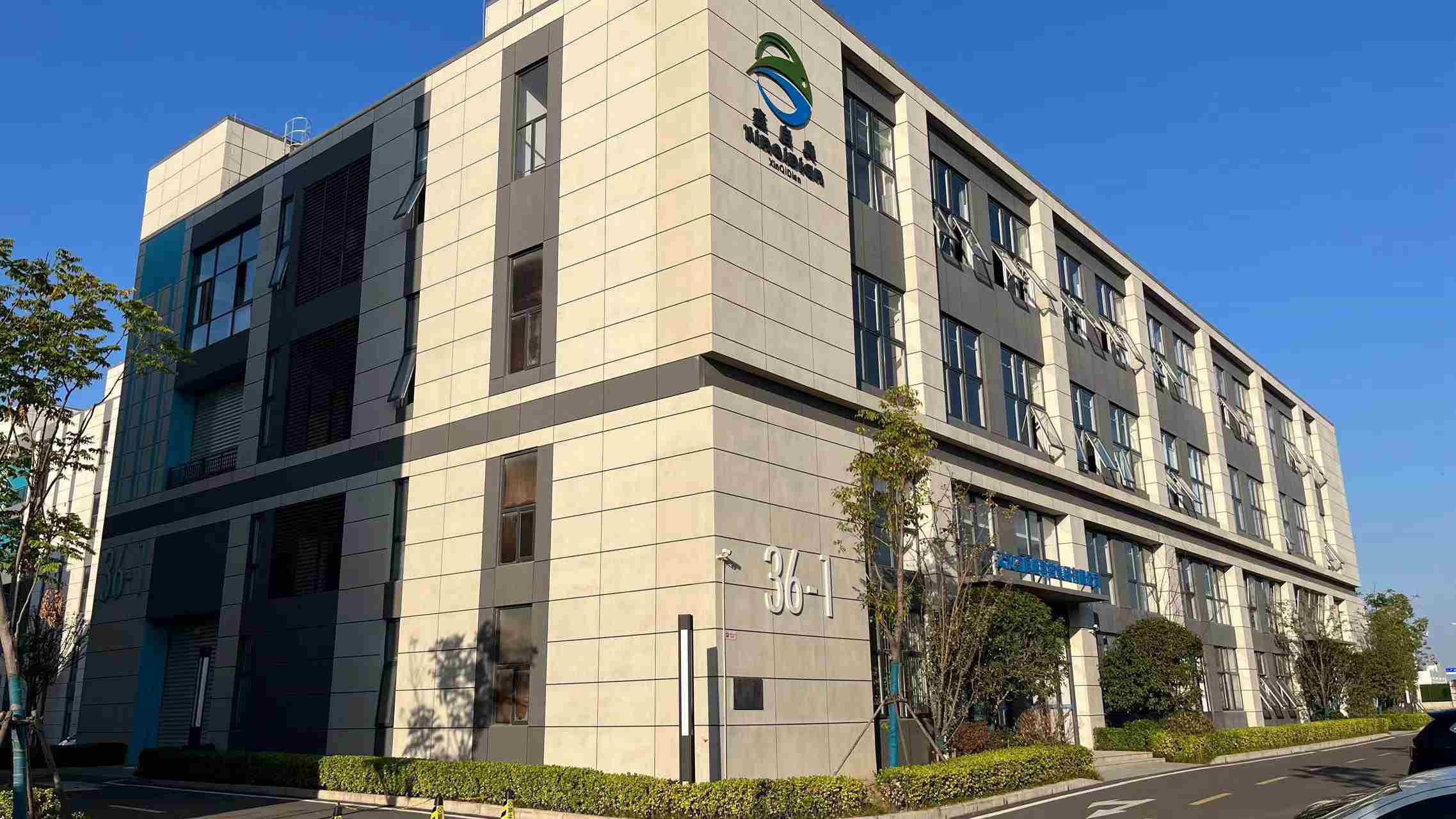
Our corporate blueprint as a leading OEM/ODM infrastructure manufacturer since 2016, delivering high-performance GPU systems and robust cyber-physical hardware isolation.
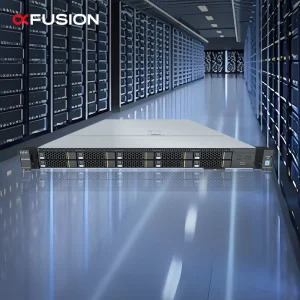
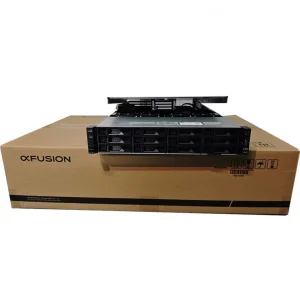
As deep learning algorithms scale to trillions of parameters, the servers executing these workloads—including state-of-the-art architectures like the xFusion 2288H V7 Deepseek AI platforms and high-density GPU rack configurations—become prime targets for state-sponsored threat actors and data interceptors. Modern security is no longer an afterthought deployed only at the application layer. True cybersecurity requires a unified hardware-software co-design paradigm.
Aiserveon Intelligent Computing Tech Co., Ltd. serves as a reliable OEM/ODM security software integrator and server exporter. Since our founding in 2016, we have engineered tailored security software layers, out-of-band management solutions, and low-level firmware protections directly into industrial and enterprise-grade computing rigs. This guarantees full cryptographic control from the moment the processor executes the first instruction.
Detailed analysis of firmware customization, supply chain mitigation, confidential computing, and the deployment of secure AI infrastructures globally.
Traditional IT distribution relies heavily on purchasing general-purpose hardware and subsequently installing standard operating systems and application-layer firewalls. However, in the high-stakes sectors of AI inference, deep learning model training, and defense-grade storage, this model leaves critical blind spots. Firmware threats, unauthorized hardware modifications, side-channel attacks, and hypervisor-level breaches can bypass software controls completely. By working with an OEM/ODM security software provider like Aiserveon, global enterprises can inject security measures directly into the system's DNA.
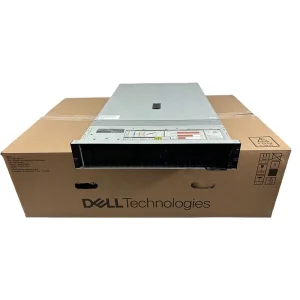
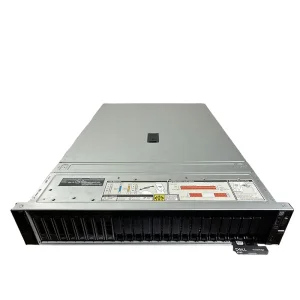
Our integration approach bridges the gap between hardware engineering and software security. When customizing platforms like the Dell PowerEdge or xFusion FusionServer series, our engineering team builds tailored BIOS/UEFI firmware, configures customized secure elements (such as TPM 2.0 or national cryptographic chips like TCM), and loads tailored hypervisor-level security modules. This guarantees that your cloud nodes, storage blocks, and AI accelerators boot into a known, uncompromised state, completely insulated from bootkits and hardware rootkits.
The foundation of server platform security lies in establishing an immutable Root of Trust (RoT). Aiserveon's OEM/ODM integration specializes in configuring hardware-enforced cryptographic validation paths. During system initialization, the SPI controller verifies the signature of the primary boot code against public keys stored in read-only hardware fuses. This prevents the execution of altered firmware images.
Additionally, our platform integration covers Baseboard Management Controller (BMC) hardening. Modern BMC systems (like iDRAC or iBMC) represent a significant threat vector if left unmonitored. We design customized out-of-band management profiles that disable insecure protocols (such as raw IPMI over LAN or weak TLS ciphers), implement role-based access control (RBAC), and enforce signed firmware updates for the controller itself. In high-density cluster environments, this isolates administration traffic from standard user network channels, mitigating lateral movement risks inside the data center.
Exporting high-performance servers globally requires navigating a complex matrix of national security standards and compliance certifications. Aiserveon's tailored ODM workflow ensures that every system exported complies with local directives, including:
The practical application of secure AI server clusters spans across multiple critical industrial and commercial environments, each requiring unique configuration parameters:
In manufacturing and smart-grid stations, physical servers sit in vulnerable remote areas. We customize zero-touch provisioning firmware that erases self-encrypting drives (SEDs) automatically if chassis intrusion sensors are triggered.
Providing tenant isolation for multi-tenant high-performance computing (HPC) nodes by enabling AMD SEV-SNP or Intel SGX/TDX directly inside virtualized environments, ensuring data is encrypted in system RAM.
Deploying real-time anomaly detection software at the kernel driver level to prevent memory injection attacks on large-scale databases, managing critical high-volume trading actions without latency penalties.
Aiserveon is committed to stays ahead of tomorrow's security challenges. Over the next 24 to 36 months, our R&D roadmap focuses on two primary areas: Post-Quantum Cryptography (PQC) integration and Autonomous AI Security Orchestration. As quantum computing advances, classical RSA and ECC cryptographic signatures will become obsolete. We are collaborating with top-tier security labs to implement quantum-resistant signature schemes (such as LMS and XMSS) directly into our BIOS updates. This ensures that a server purchased today remains secure against tomorrow's quantum decryption threats.
Simultaneously, we are developing system-level AI micro-agents that run directly within the CPU's system management mode (SMM) or dedicated DPUs (Data Processing Units). These agents leverage real-time telemetry data to monitor system bus activity, instruction cycles, and thermal signatures for indicators of compromise (IoC). By detecting side-channel analysis attempts or zero-day kernel exploits on the fly, the system can dynamically isolate compromised nodes within an AI cluster before the host operating system even detects the anomaly.
How our integrated factory ecosystem of over 850 partners ensures zero-backdoor hardware integrity and premium manufacturing output.
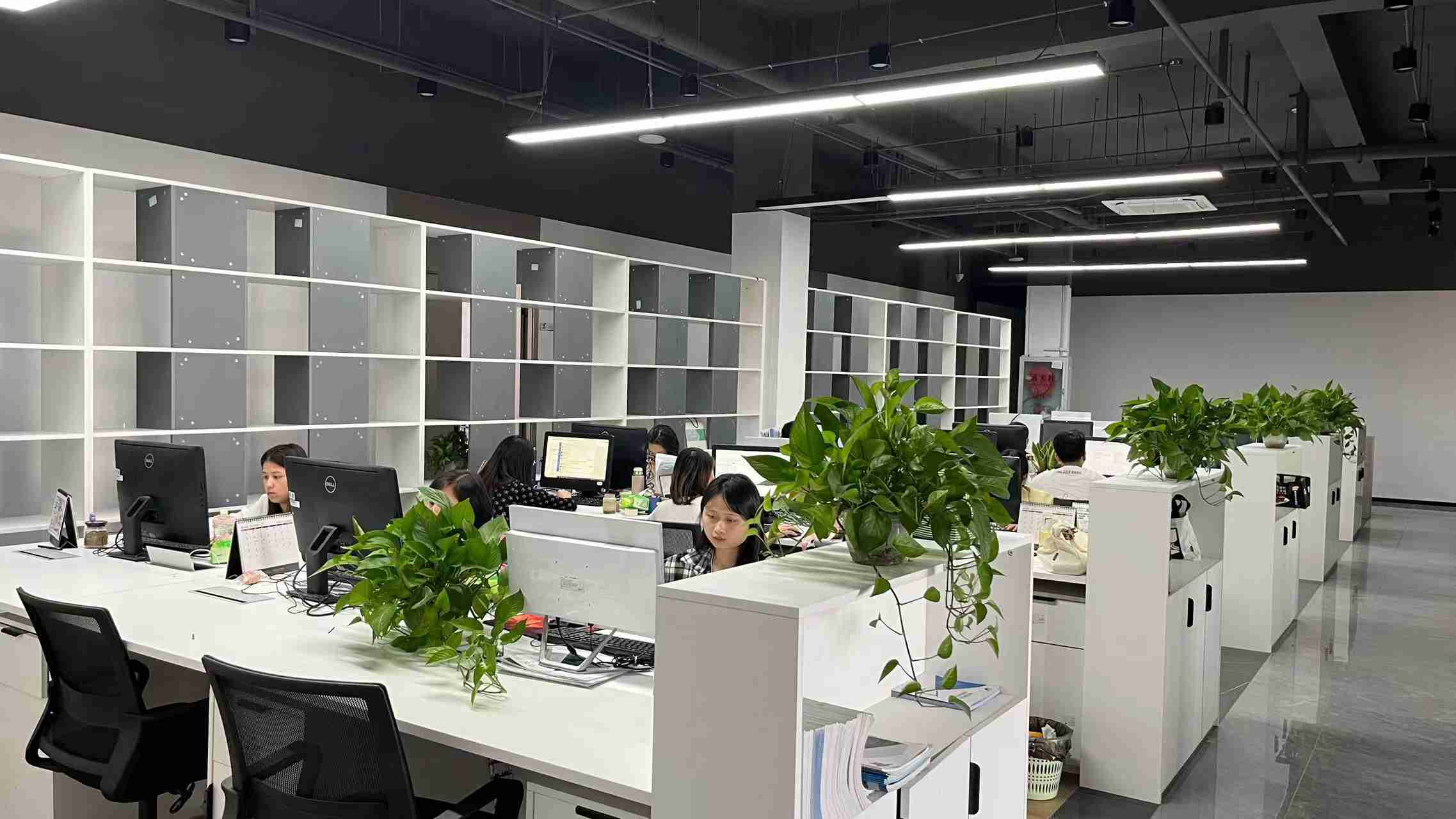
Global hardware procurement faces the challenge of supply chain injection attacks. To mitigate these risks, Aiserveon operates a rigorous quality control hierarchy that tracks every component from silicon fabrication to final delivery packaging. With our specialized team of 45 quality assurance professionals, every phase of production is audited and logged.
Our quality verification system features dynamic traceability. We don't just assemble servers; we run deep hardware component correlation. If a network interface or memory module does not match the strict hardware identifiers registered at incoming inspection, the system is automatically flagged. This guarantees that clients receive the original, unaltered equipment they ordered.
Statistical sample tests on raw components and sub-assemblies ensure that defect rates stay well below typical industrial margins.
Every AI server node undergoes 72 hours of uninterrupted computational workload testing, revealing latent component flaws before export.
Servers are tested inside specialized thermal chambers, validating cooling design integrity and fans under high-temperature environments.
Automated security suites audit system firmware, checking for unauthorized ports, hidden interfaces, or unpatched vulnerabilities.
Find answers to key technical questions about security software, hardware compatibility, customization workflows, and global shipping policies.
A look inside our state-of-the-art facilities, highlighting our commitment to quality control and secure hardware engineering.
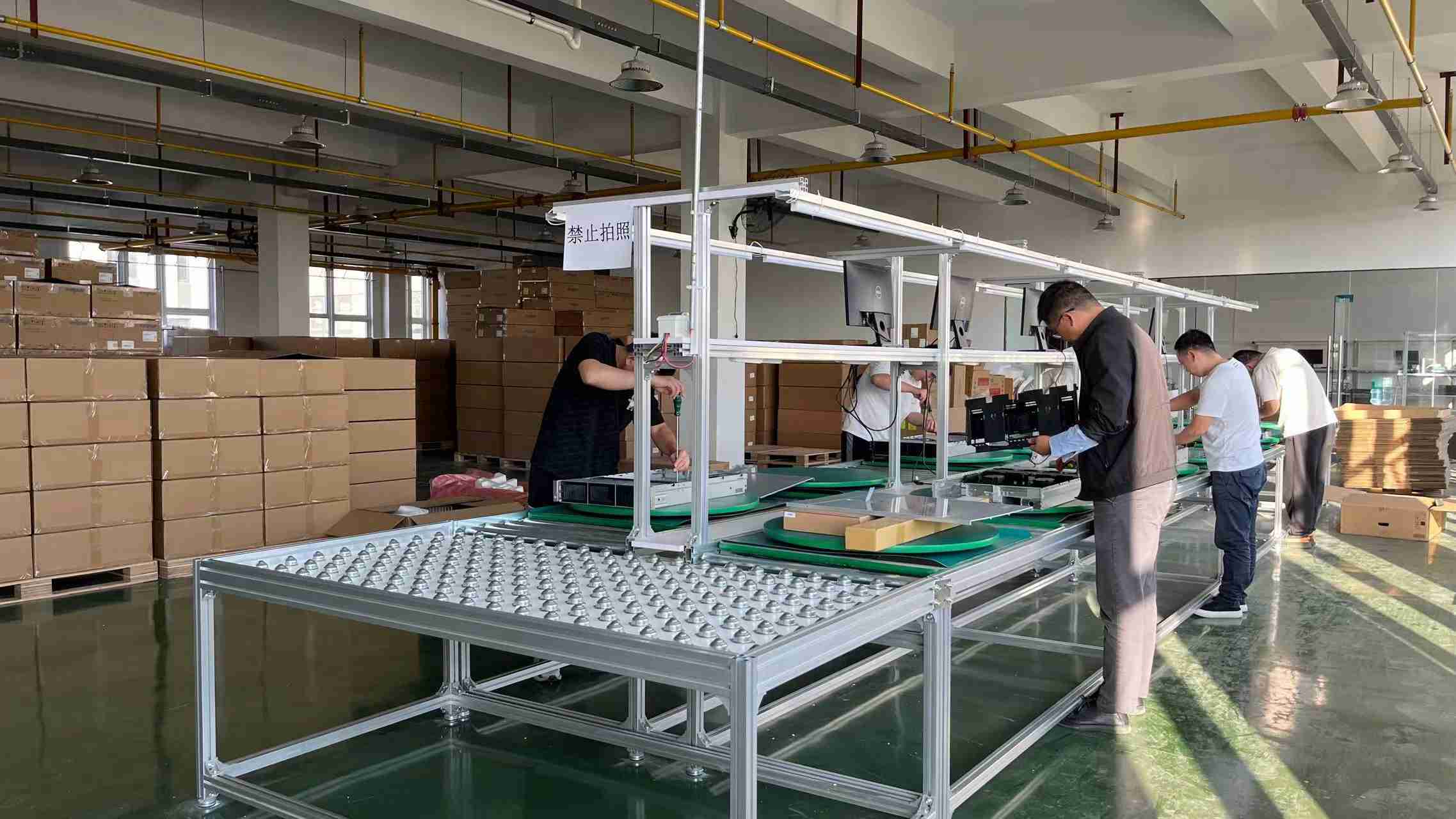
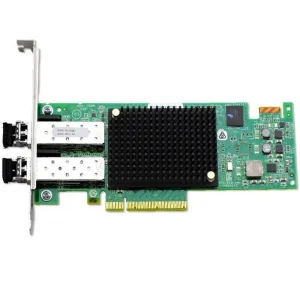
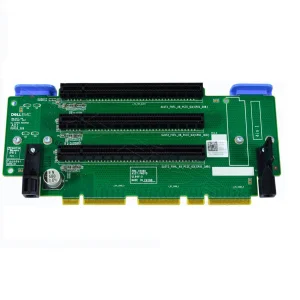
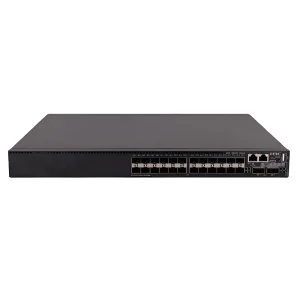
Explore our range of storage components, network accelerators, and high-performance server configurations designed to protect your data.