Aiserveon
Aiserveon
Aiserveon
As hyperscale centers transition to heavy compute models supporting deep learning and massive generative AI models like DeepSeek, standard cloud logical access controls are no longer sufficient. Modern threats now target physical components, runtime execution states, and baseband management controllers (BMCs). Physical tampering, supply-chain component interdiction, and unauthorized host re-flashing present high-impact vectors for global infrastructure networks.
At Aiserveon Intelligent Computing Tech Co., Ltd., we recognize that absolute trust is built from the silicon level. By introducing secure enclave technologies (Intel SGX, AMD SEV-SNP) and proprietary hardware-level security, our OEM/ODM custom server platforms integrate real-time firmware verification, hardware-bound cryptographic identities, and resilient root-of-trust layers.
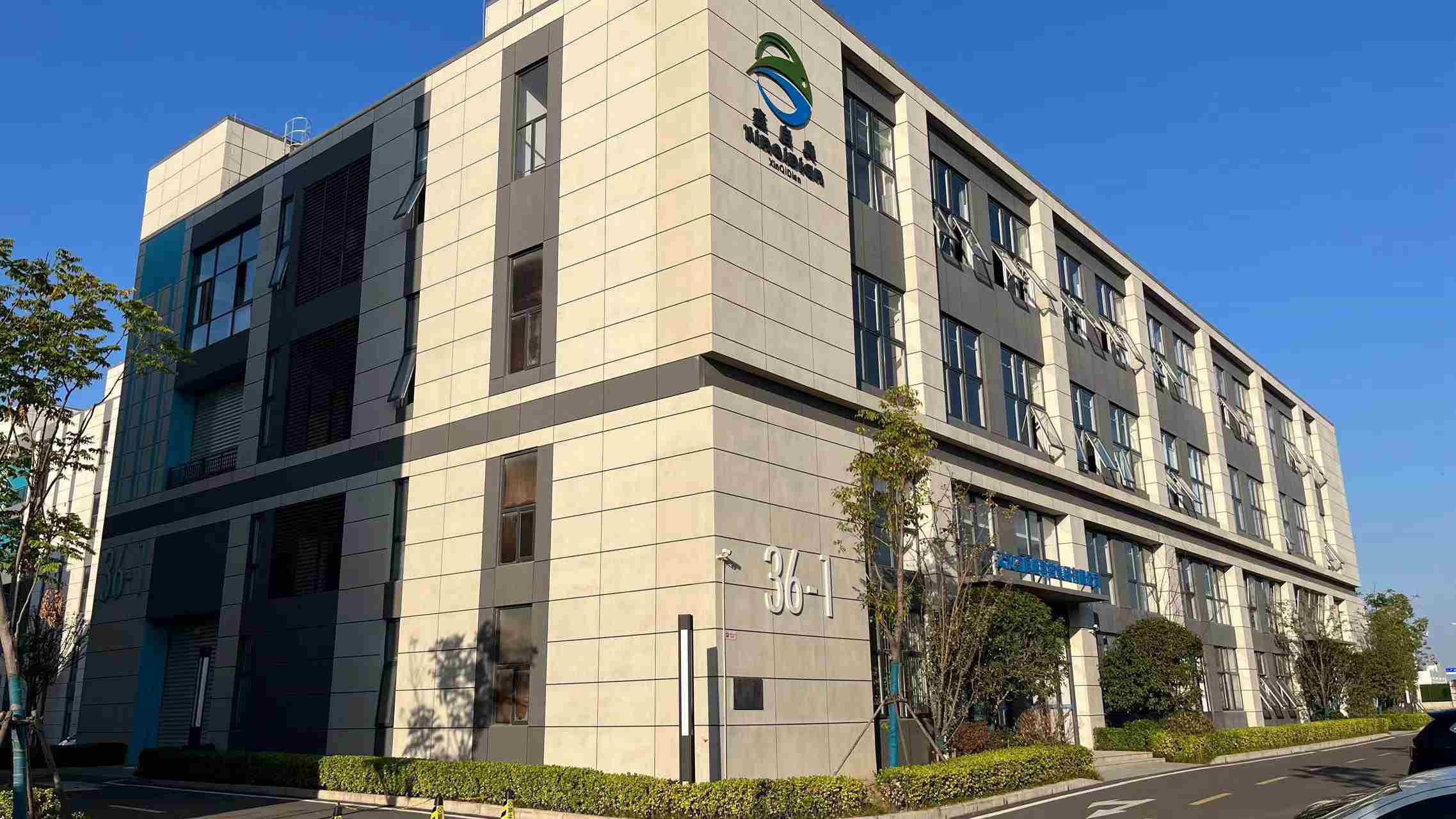
A professional AI server and intelligent computing infrastructure manufacturer focusing on high-performance GPU platforms and data center solutions.
Operating under the globally respected brand Aiserveon, we have established an integration model that merges strict quality gates (IQC, IPQC, FQC, and OQC) with modern AI design requirements. Each system batch undergoes exhaustive full-load burn-in testing, thermal stability validations, and automated performance stress tests to guarantee zero boot failures at target deployment nodes.
Rigorous multi-stage check gates tracking everything from trace routing on custom PCBs to memory module signal timing.
Full OEM/ODM engineering covering hardware config, BIOS/firmware optimization, bespoke chassis design, and localization.
Strategic relationships with ~850 upstream and downstream component partners to ensure cost efficiency and fast delivery schedules.
Our hardware engineering approach to delivering unmatched security layers on custom server architectures.
Integration of secure cryptoprocessors embedded directly on motherboard circuits. This hardware module performs measurements of the BIOS and firmware stages prior to CPU boot initialization.
Firmware-hardened Baseboard Management Controller designs. Secure remote administration utilizing cryptographic signatures, encrypted APIs, and disabling of debug interfaces.
Active hardware sensor suites detecting enclosure violation even when powered down. Prompts immediate encryption key zeroization to block local data extraction.
Implementation of NIST SP 800-193 Platform Firmware Resilience guidelines, preventing malicious firmware updates from bricking or hijacking the host platform.
Tailoring specific hardware builds to security-critical industry frameworks around the globe.
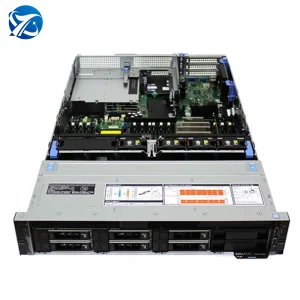
Financial systems require ultra-low latency along with robust security. Any localized side-channel exploit could compromise trading keys. We manufacture custom 1U/2U configurations featuring physically isolated crypto co-processors that operate out-of-band, validating system calls without impacting computational performance.
Low-Latency CryptographyServers deployed in traffic control cabinets, smart utility rooms, or public transit hubs are highly vulnerable to physical intrusion. Aiserveon's edge chassis designs integrate localized chassis detection microswitches paired with physical ports lockdowns (USB, Serial, PCIe) to stop unauthorized device attachments.
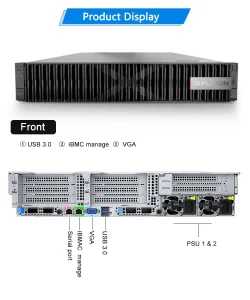
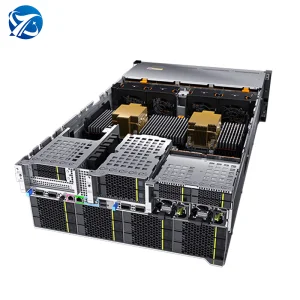
Anti-Tamper Mechanical DesignRegulatory mandates require compute workloads to operate independently of hypervisor access vectors. Through AMD SEV-SNP and Intel SGX configuration support, our custom high-density rack configurations (such as the FusionServer series) isolate private keys from host virtualization management engines.
Sovereign Infrastructure HardeningLocated within China's primary hardware engineering region in Shenzhen, Aiserveon operates with a component supply chain network of approximately 850 local component suppliers. This concentration of advanced factories allows us to complete custom PCB revisions, chassis design changes, and custom power system integrations within weeks, compared to months in other regions.
By utilizing a highly organized supply chain database, we audit each silicon, capacitor, connector, and passive component to ensure origin traceability and prevent unauthorized alterations in the bill of materials (BOM).

We align hardware and firmware with local regional requirements to enable deployment in target markets.
Our server security customization architectures strictly comply with FIPS 140-3 cryptography profiles and follow NIST SP 800-193 Platform Firmware Resilience (PFR) reference guidelines for secure update signatures.
We offer corporate customers dedicated access to clean rooms, enabling thorough audits of our firmware source code, verifying the absence of backdoor vulnerabilities before system shipment.
Operating with partners across North America, Europe, Southeast Asia, and the Middle East, we coordinate technical engineering diagnostics and provide quick-swap replacement security modules.
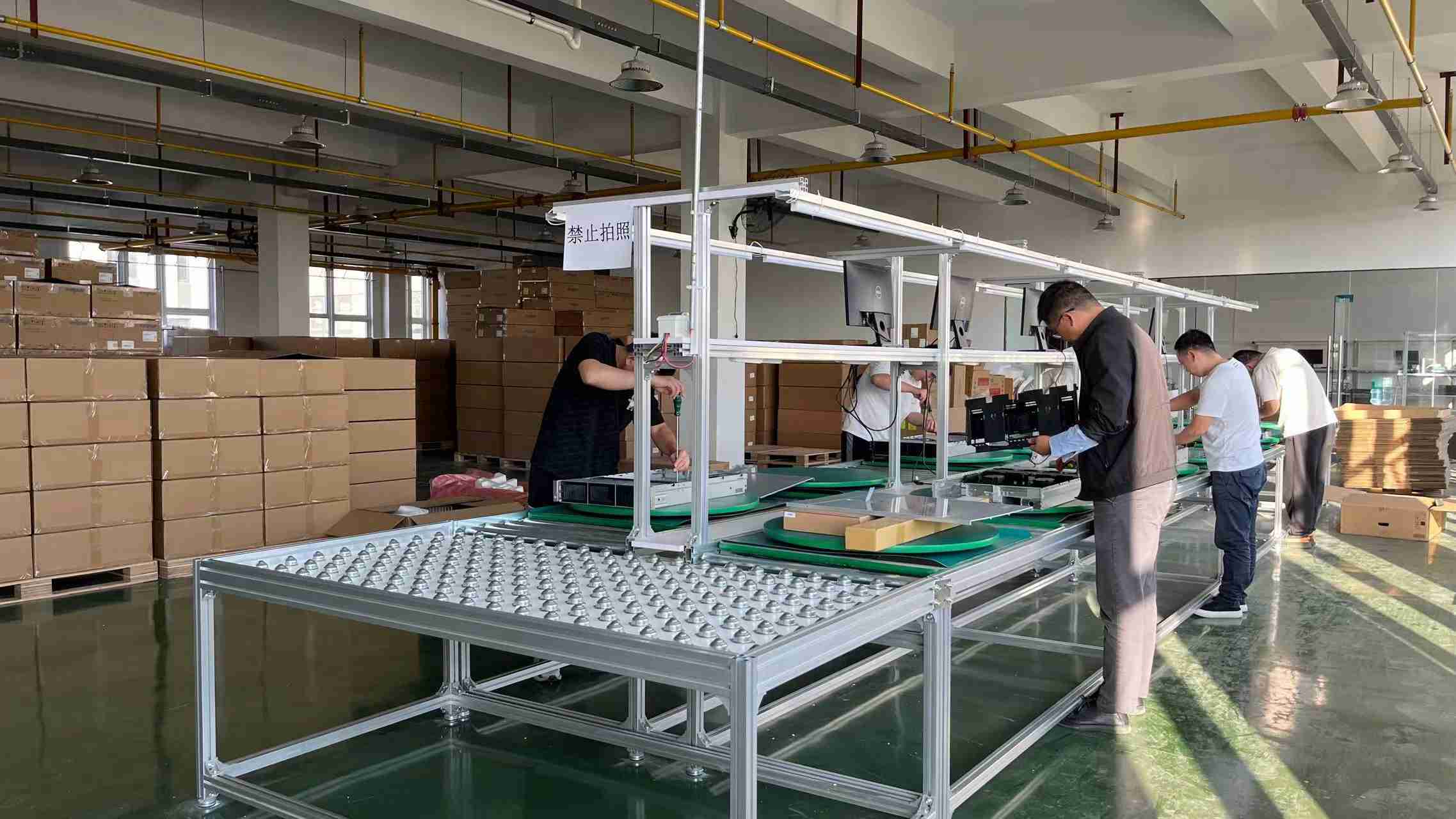
Answers to common B2B questions regarding OEM/ODM server security customization capabilities.