Aiserveon
Aiserveon
Aiserveon
Explore our core infrastructure systems designed for extreme computing, heavy data throughput, and high-performance server deployments.
Modern computational workloads are undergoing an unprecedented structural transition. Standard desktop tower workstations are no longer sufficient to process the sheer density of mathematical operations required by complex artificial intelligence pipelines, multi-gigabyte financial modeling arrays, and real-time 8K computer-generated imagery. To resolve this performance gap, enterprise IT departments are increasingly shifting to hybrid environments where rackmount GPU workstations act as dedicated compute servers.
As a leading OEM/ODM workstation manufacturer, Aiserveon designs systems that unify the ease of workstation deployment with the robust lifecycle management and high density of traditional rack-based enterprise servers. These systems feature multi-socket processor layouts, immense ECC unbuffered memory reserves, and advanced PCIe routing architectures engineered to maintain high throughput and prevent data corruption during sustained execution windows.
The convergence of Deep Learning, generative AI models (such as the DeepSeek-R1 671B model architecture), and decentralized training networks requires hardware setups that possess direct, low-latency lanes to accelerators. Traditional PC architectures face immediate bottlenecks in thermal dissipation and PCIe lane limitations. Aiserveon hybrid workstations utilize enterprise chips like Intel Xeon or AMD EPYC paired with high-efficiency cooling paths, bridging the gap between localized control and data-center power.
A global leader in customizing, scaling, and manufacturing AI server clusters and high-performance workstation infrastructures.
Operating from a highly specialized, modern R&D and configuration center, Aiserveon acts as a direct-to-enterprise manufacturer that leverages an extensive network of over 850 upstream and downstream supply chain partners. This enables rapid component sourcing, hardware qualification, and customization options that are unavailable through traditional distribution networks.
Our customization options extend beyond component substitution. We deliver full-spectrum hardware tailoring including BIOS and UEFI firmware compilation, custom-branded chassis modifications, thermal airflow optimization for specialized deployment environments, and custom power profiles suitable for variable grids.
Aiserveon enforces a highly disciplined, multi-stage quality control protocol that guarantees maximum system availability and minimal field failures:
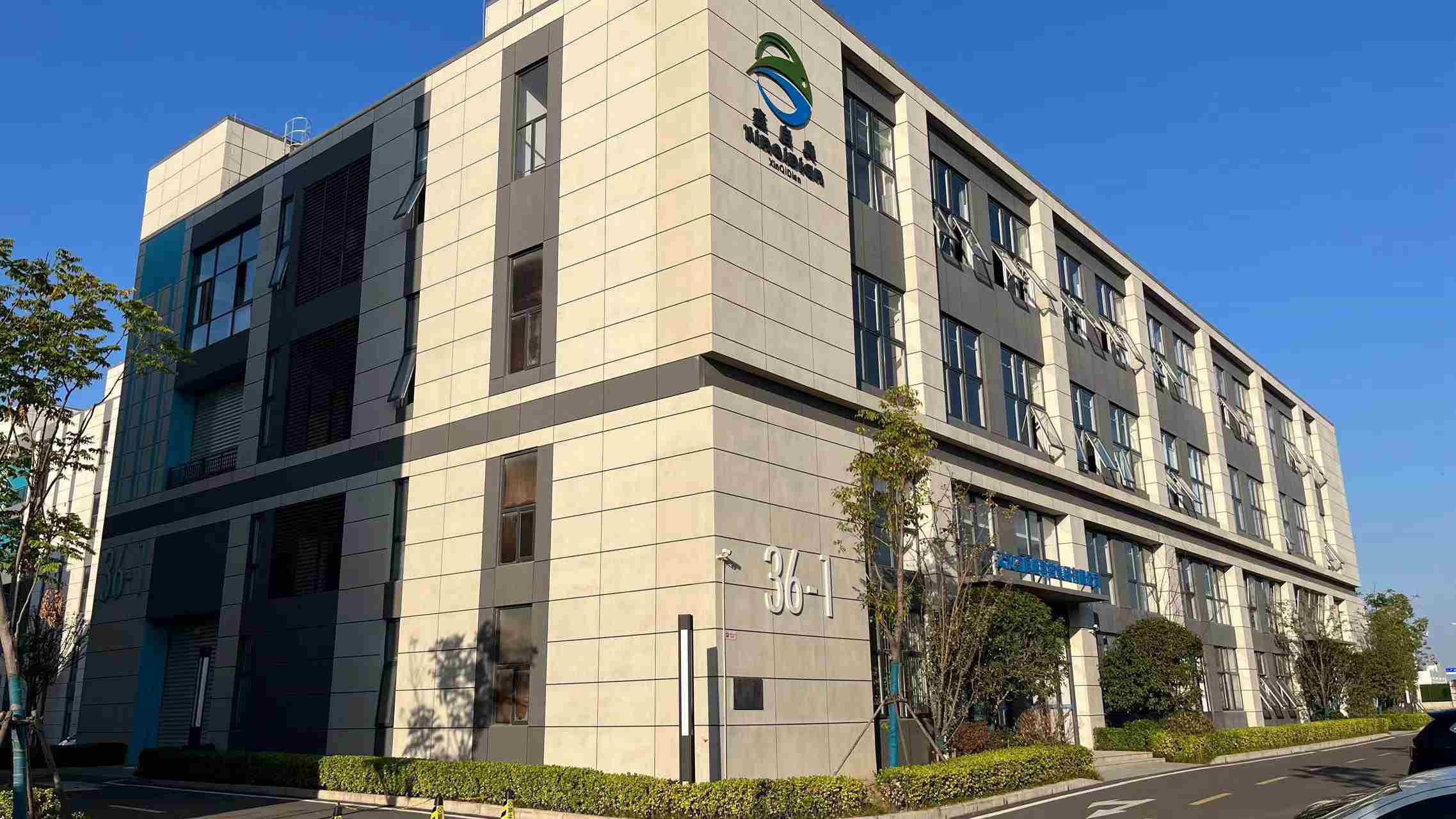
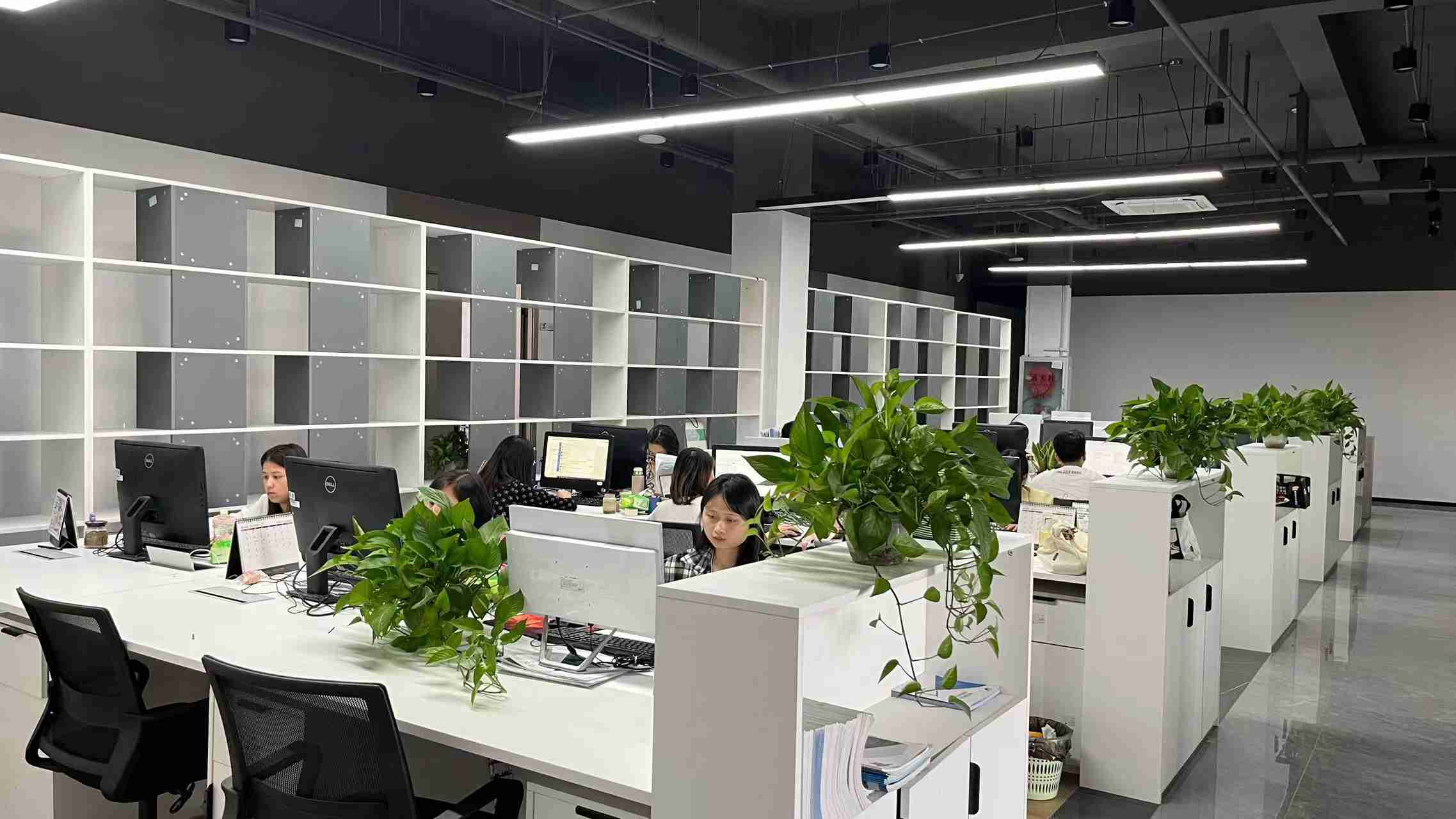
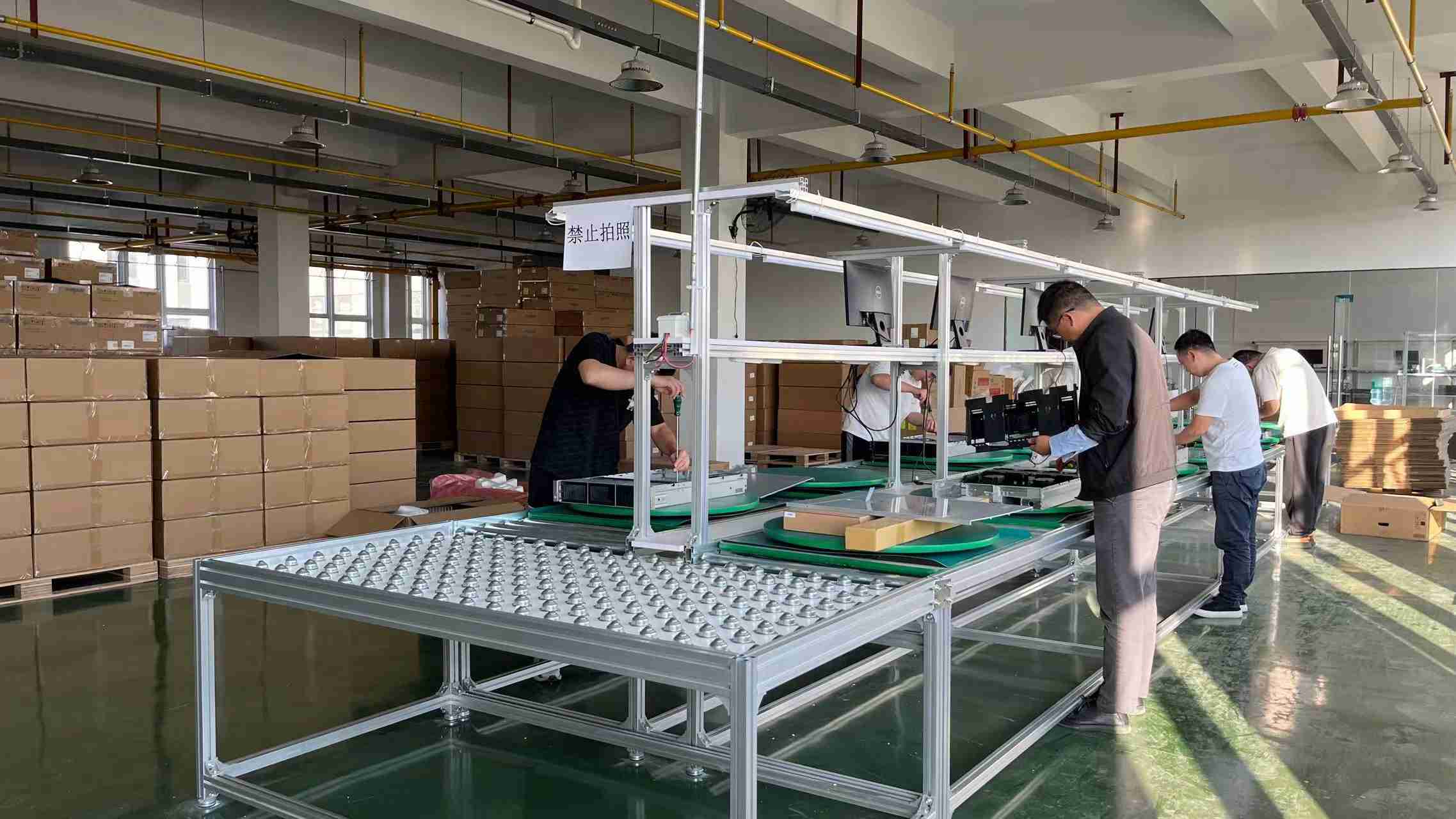
Analyzing the structural economic, technical, and logistic advantages that make Chinese manufacturing clusters the global choice for AI infrastructure deployment.
With over 850 localized partners, Aiserveon can source mechanical parts, circuit boards, custom metal brackets, and cooling components in days rather than weeks. This minimizes production lead times for complex configurations.
We adapt quickly to emerging silicon standards. If a new GPU accelerator or processor step is released, our engineering department can redesign system topologies and update thermal designs with minimal delay.
Combining cost-effective manufacturing methods with Western quality standards (AQL, CE, FCC, and full lifecycle tracking) guarantees that our hardware operates reliably in demanding data-center environments.
Technical developments shaping next-generation server architectures, custom workstations, and storage solutions.
The deployment of massive open-source models, such as DeepSeek-R1, requires servers with massive memory bandwidth and high-speed interconnects. To support these workloads, our systems leverage dual-socket Xeon configurations and dense DDR5 pools. This provides the memory bandwidth required to run inference on dense local parameters without pipeline bottlenecks.
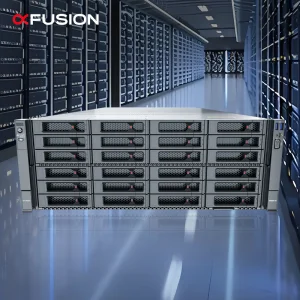
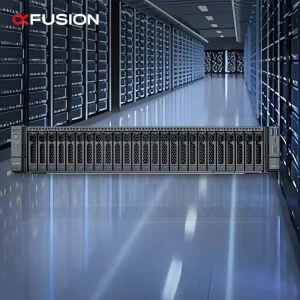
Traditional hard drives and early-generation SATA storage form factors create write-queue limits in high-speed networks. Our latest 2U and 4U solutions support hybrid layouts combining SAS, SATA, and NVMe drives. This provides the fast data staging needed to feed modern high-bandwidth GPU accelerators.
With processor TDPs exceeding 350W and multi-GPU arrays generating substantial heat, thermal management is critical. Aiserveon designs internal chassis baffles, integrates copper heat pipes, and configures smart system fans to maintain stable operational temperatures during sustained full-load compute periods.
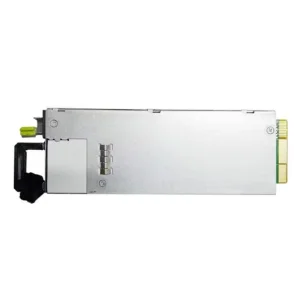
To prevent unexpected system downtime, our workstations feature redundant Platinum-certified power supplies (900W, 1500W, or 2000W). These power supplies deliver stable DC current, protect motherboard components from voltage spikes, and support continuous operations even if one power unit fails.
Aiserveon hardware is deployed across diverse industries to power business-critical workloads, deep learning research, and high-performance computing tasks.
Training autonomous driving models requires processing millions of image frames. Our customized multi-GPU racks offer the compute power needed to run concurrent training pipelines and compile deep learning models.
Quantitative financial analysis requires low latency and high CPU clock speeds. We supply configurations optimized for fast memory access and massive processing throughput to support high-frequency trading simulations.
Running automated diagnostics on MRI and CT scans requires reliable hardware that can process high-resolution images without memory errors or software crashes.
A step-by-step overview of how Aiserveon engineers, validates, and delivers bespoke hardware solutions to our global partners.
Our engineering department works with your technical team to define target workloads, required interfaces, storage capacity, and thermal limits.
We build initial prototypes and write customized BIOS firmware to ensure complete compatibility with your target operating systems and software stack.
Prototypes undergo thermal testing, memory diagnostics, and full-load burn-in cycles to confirm reliability and performance.
Once approved, we begin volume production. Every unit passes our multi-stage quality control checks and receives final system validation before shipping.
Answering key technical and logistical questions for global buyers, system integrators, and infrastructure engineers.
A: The OEM (Original Equipment Manufacturer) model focuses on building systems based on client-specified blueprints, hardware configurations, and chassis designs. In contrast, the ODM (Original Design Manufacturer) model leverages our existing internal intellectual property and designs. Aiserveon adapts these designs to support your custom configurations, BIOS tweaks, and branding. This reduces time-to-market while retaining the flexibility of customized hardware.
A: Reliability is maintained through a combination of high-grade component sourcing and comprehensive stress testing. Our QC teams perform full-load burn-in testing, memory diagnostic testing, and thermal validation under high loads. This ensures our workstations can handle sustained computational workloads without thermal throttling or data corruption.
A: Yes. Our R&D team can customize BIOS and UEFI configurations. This includes modifying system boot screens, disabling specific onboard controllers for security compliance, setting custom fan speeds, and tuning CPU power states to ensure compatibility with specialized hypervisors or bare-metal OS distributions.
A: With six years of global export experience, Aiserveon manages international logistics to North America, Europe, SE Asia, and the Middle East. We provide custom packaging options, export documentation support, and coordinate with shipping carriers to ensure safe and timely delivery of our systems.
A: We optimize chassis cooling by designing internal air shrouds that direct clean air over the processor heat sinks and expansion cards. We also select high-static pressure fans with automated speed profiles. This configuration ensures consistent cooling across all components while managing overall power consumption and noise levels.
Explore our selection of power modules, memory options, and enterprise GPU-optimized server racks.