 Aiserveon
Aiserveon
Aiserveon
Explore high-performance server architectures optimized for model training, real-time inference, and DeepSeek model deployments.
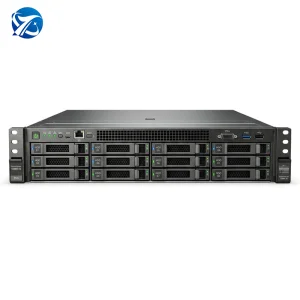
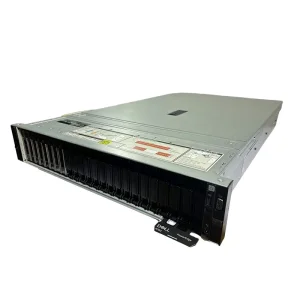
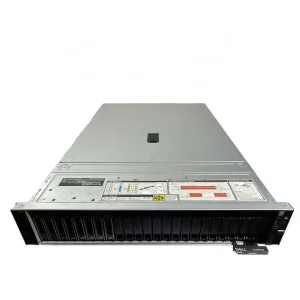
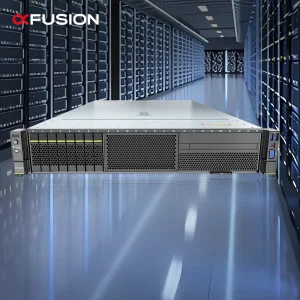
The global landscape of Artificial Intelligence is experiencing an unprecedented architectural shift. As Large Language Models (LLMs) such as DeepSeek-R1, Llama 3, and proprietary transformer architectures scale horizontally, data centers are shifting from traditional CPU-centric computing to high-density GPU accelerators. In this competitive landscape, selecting the right artificial intelligence supplier is no longer just a purchasing decision—it is a core strategic partnership that impacts structural latency, thermal efficiency, and long-term operating costs.
Modern workloads require PCIe Gen 5 interconnectivity and multi-GPU clustering. Standard rack setups are being replaced by customized, optimized systems tailored to prevent communication bottlenecks.
As TDP limits exceed 350W per processor socket and 700W+ per GPU card, liquid cooling, custom airflow design, and highly efficient dynamic power supplies (PSUs) are essential to prevent performance throttling.
Ensuring compliance across diverse geopolitical regulations (CE, FCC, RoHS) while optimizing global supply chain pathways is crucial for large-scale hardware rollouts.
Sourcing hardware for AI workloads demands deep knowledge of hardware integration. Top global buyers prioritize critical requirements beyond just processor speed:
Training Large Language Models relies heavily on parallel computing networks. Systems must support RoCE v2 (RDMA over Converged Ethernet) and InfiniBand integration. AI suppliers must configure servers with optimal PCIe lane allocation to avoid input/output bottlenecks.
Modern enterprises prefer hyperconverged infrastructures that combine storage, computing, and virtualization in a single hardware footprint. This reduces space constraints in data centers and simplifies network routing.
Customizing BIOS settings is essential for deep learning execution. Optimizing CPU C-states, setting low power limits, and implementing specialized power profiles can lead to a 15% improvement in processing latency.
System failures during model training can lead to significant cost losses. Sourcing hardware from suppliers that enforce strict quality checks (IQC, IPQC, FQC, OQC) and offer full system traceability is critical.
As a leading professional AI server and intelligent computing infrastructure manufacturer, Aiserveon specializes in high-performance GPU servers, complex AI clusters, and customized data center solutions. We combine advanced hardware capabilities with extensive OEM/ODM production experiences to deliver reliable high-performance systems.
Operating under the brand Aiserveon, the company has established a comprehensive framework for global AI hardware supply chain integration. Our technical capabilities are reflected in our operational metrics and robust quality control procedures:
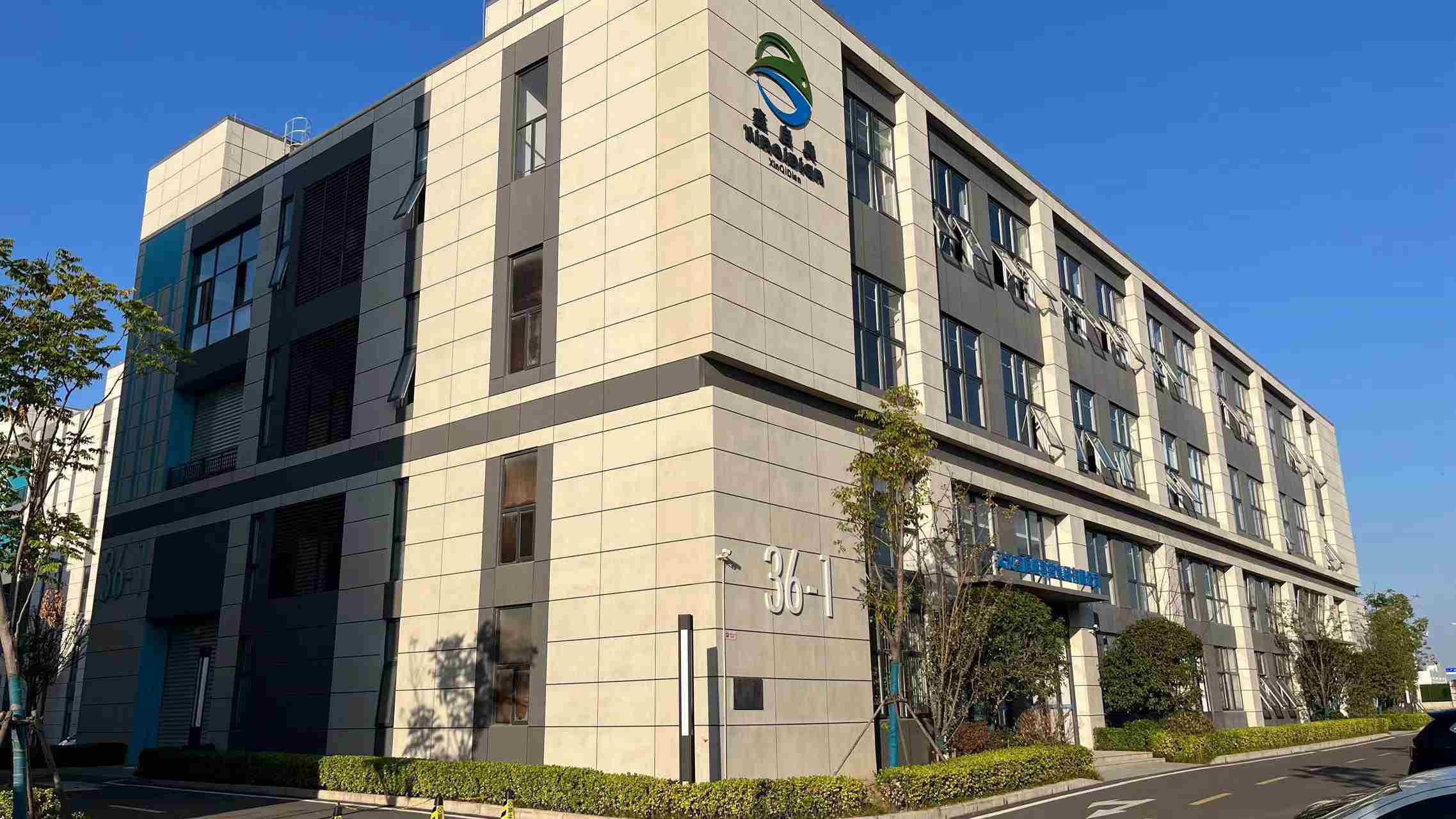
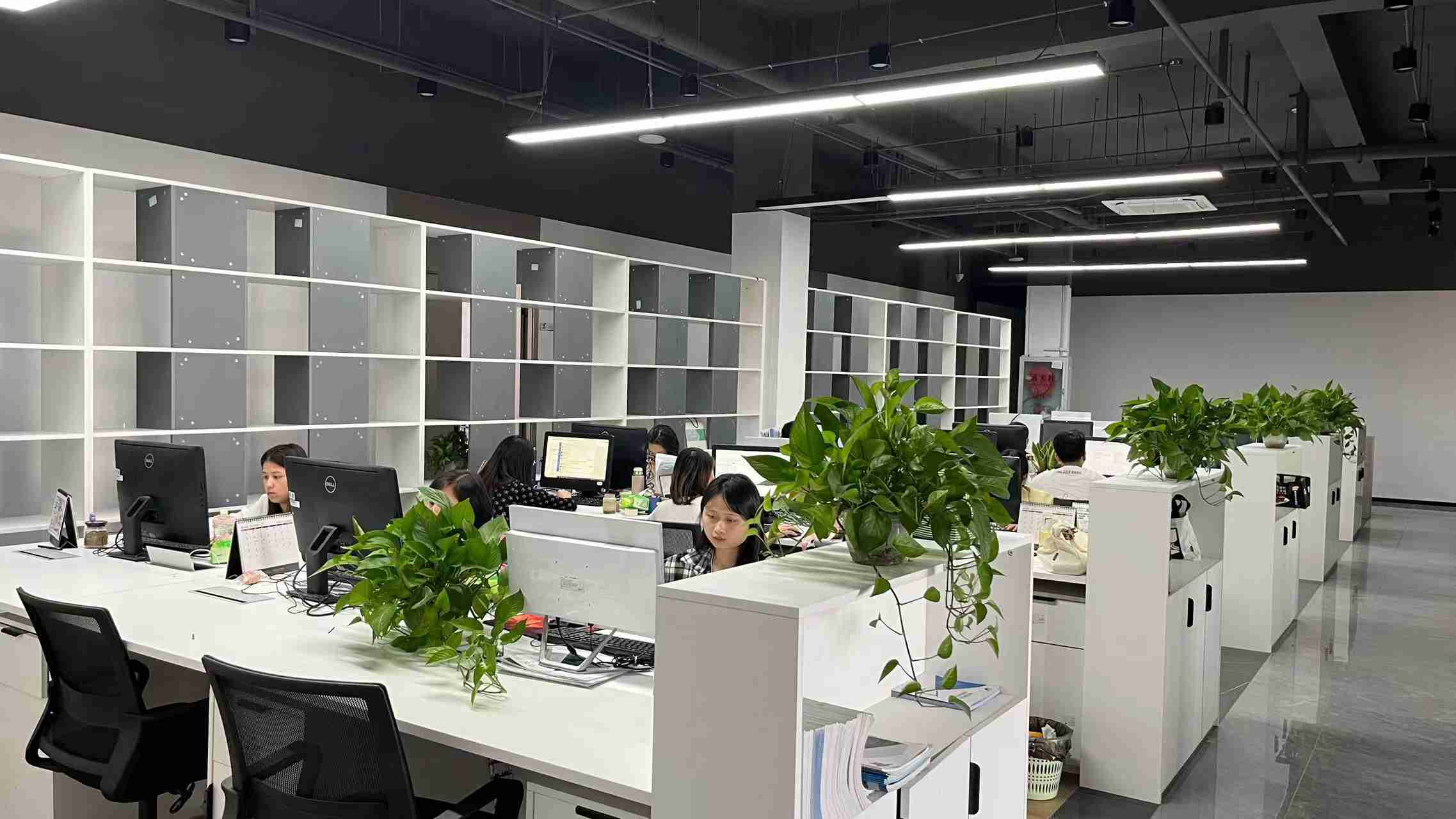
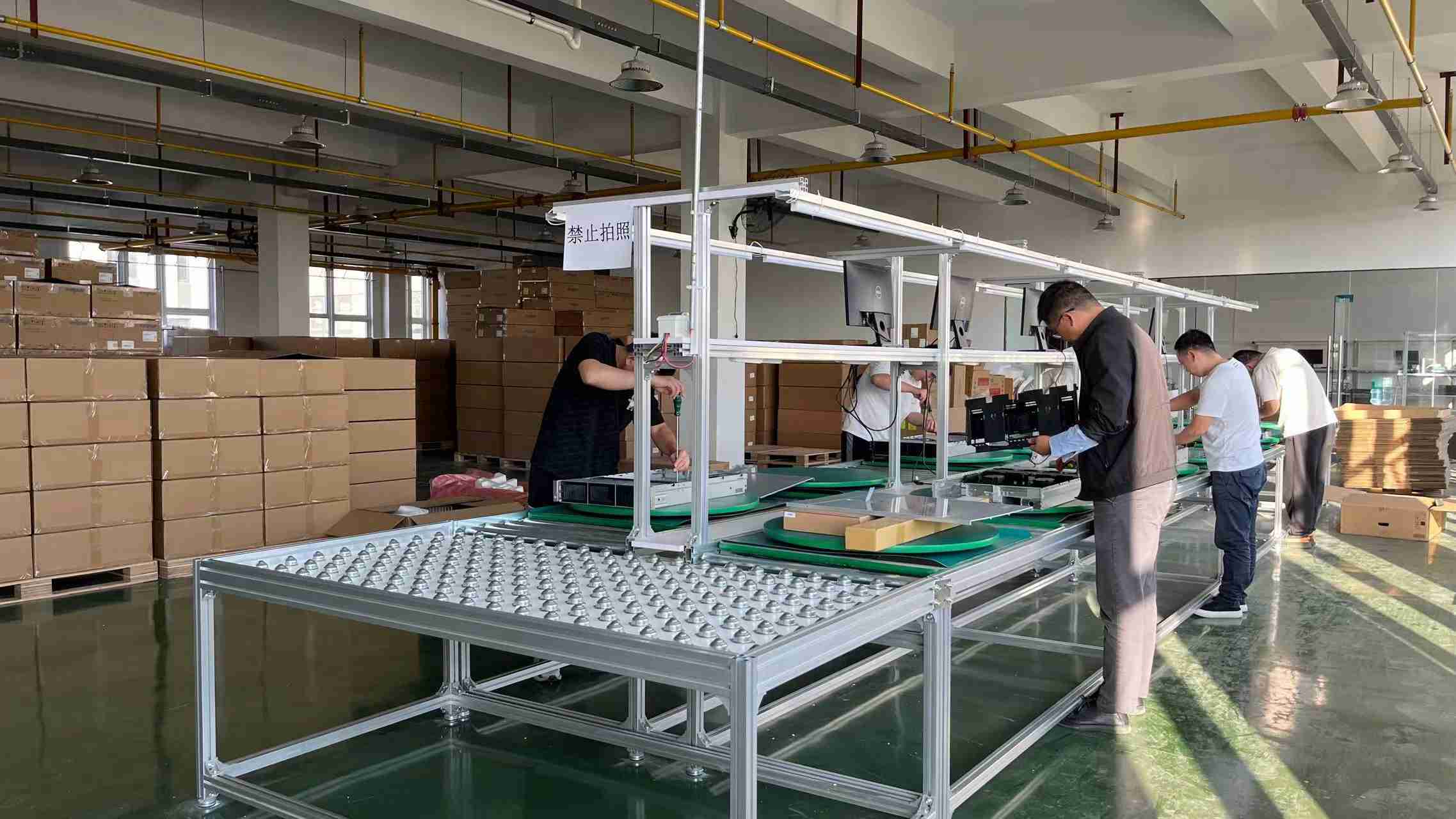
Deploying AI infrastructure requires custom hardware configurations tailored to specific industry workloads. Below is an overview of optimized systems designed for key verticals:
High-frequency quantitative trading algorithms and risk assessments require low latency and high-performance in-memory databases. Servers like the 4-socket 2488H V6 platform, certified for SAP HANA, deliver the memory bandwidth needed for large-scale data processing.
AI models for radiology and genomic sequencing process massive datasets. Multi-GPU servers, such as the G5500 V7, offer the parallel processing capabilities needed to handle unstructured data efficiently.
Developing self-driving vehicles requires processing petabytes of camera, LiDAR, and radar data. Our deep learning systems provide the storage and compute capabilities required for edge-to-cloud data ingestion and model training.
As data center environments evolve, several key technologies will shape the future of artificial intelligence hardware:
CXL technology establishes memory resource sharing between CPUs, GPUs, and custom accelerators. This architecture reduces data duplication, cuts latencies, and lowers overall system memory costs.
With air cooling limits reaching their thresholds, liquid-to-air and direct-to-chip (D2C) cooling loop designs are essential for keeping high-power AI server racks operating within safe temperatures.
Moving to PCIe Gen 6.0 doubles the bandwidth compared to Gen 5.0 systems, allowing for faster node communication and reducing latency during large-scale model training.
Technical answers to common questions about server sourcing, custom configurations, and deployment strategies.
Explore our high-performance hardware, designed for in-memory databases, virtualized data center architectures, and large-scale AI applications.