Aiserveon
Aiserveon
Aiserveon
Explore the foundational computing nodes, storage arrays, and network cards engineered to support enterprise-grade CMS deployments, high-traffic databases, and headless API architectures.
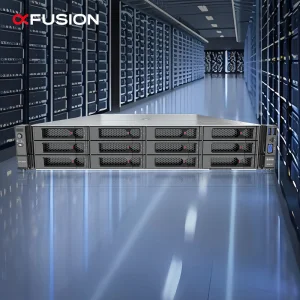
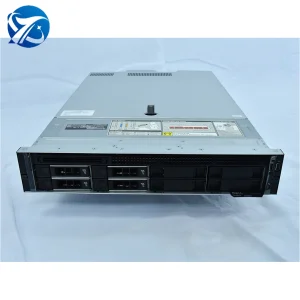
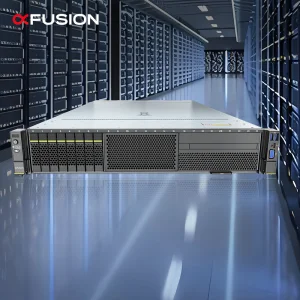
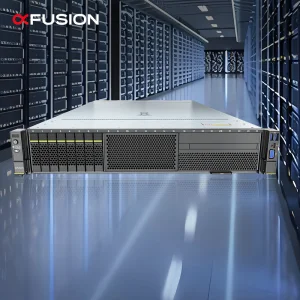
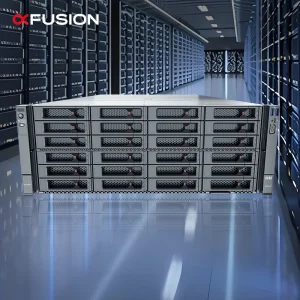
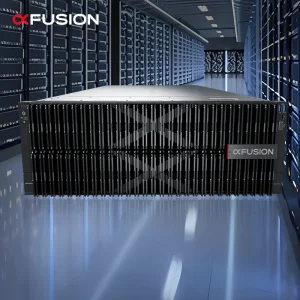
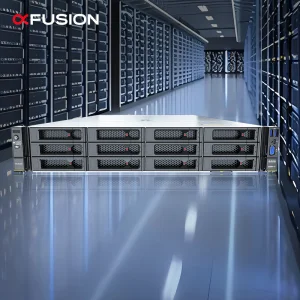
In the era of dynamic web applications, headless architectures, and AI-driven content generation, a Content Management System (CMS) is no longer just a simple database wrapper. Modern enterprise CMS platforms—such as Adobe Experience Manager, Sitecore, Drupal, and headless alternatives like Strapi or Contentful—operate as highly complex Digital Experience Platforms (DXPs).
These systems process millions of API calls, execute real-time personalization algorithms, render dynamic layouts on the fly, and manage massive media assets. Consequently, the performance, reliability, and security of a CMS are directly bound to the underlying hardware infrastructure. High-density rack servers, low-latency NVMe SSDs, and advanced RAID arrays are critical to preventing bottlenecks, minimizing Time to First Byte (TTFB), and maintaining high SEO rankings.
Modern CMS platforms utilize AI models (like DeepSeek, GPT, and custom LLMs) for automated translations, content tagging, and personalized asset creation. This shift requires GPU-accelerated servers to handle inference workloads directly at the data center level.
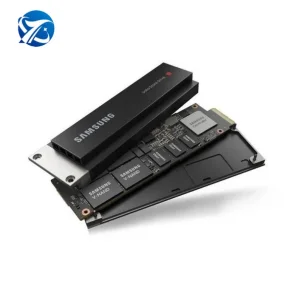
Decoupled CMS architectures rely on rapid database queries and API delivery. High-speed enterprise SSDs (like Samsung PM883/PM9A3 series) and hardware RAID controllers are essential to handle high read/write IOPS and prevent database lockups.
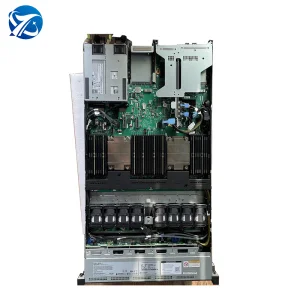
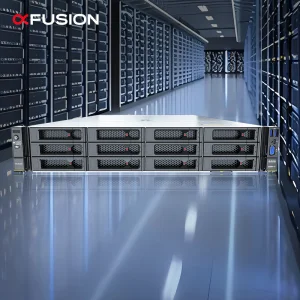
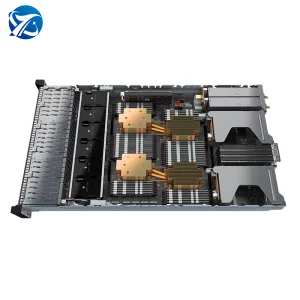
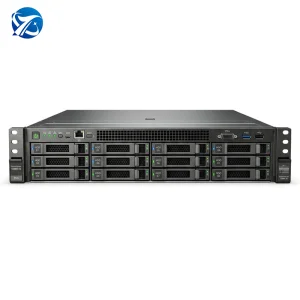
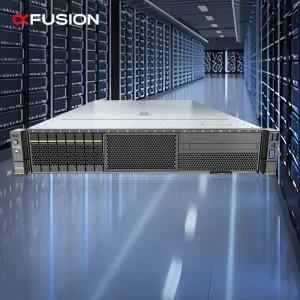
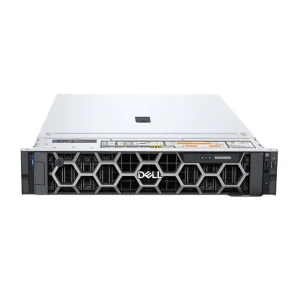
To reduce latency, enterprises deploy localized CMS nodes close to their target audiences. Compact 1U and 2U rack servers (such as xFusion 1288H V6 or Dell R760XS) serve as ideal edge computing nodes for content delivery networks.
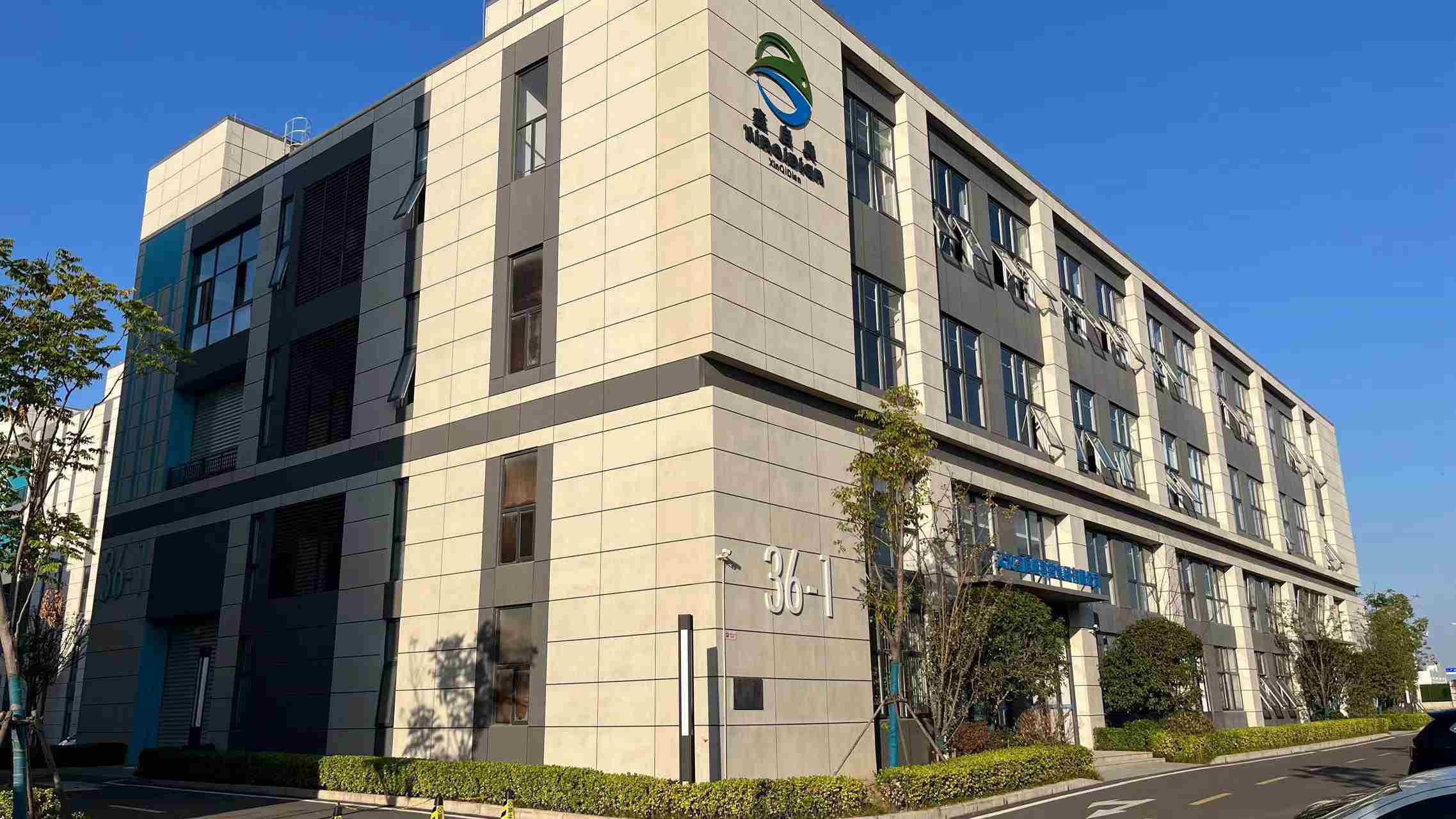
Aiserveon Intelligent Computing Tech Co., Ltd. is a professional AI server and intelligent computing infrastructure manufacturer focusing on high-performance GPU servers, AI clusters, and data center solutions. Operating under the brand Aiserveon, the company has built a strong reputation in global AI computing hardware supply chain integration and customized server manufacturing.
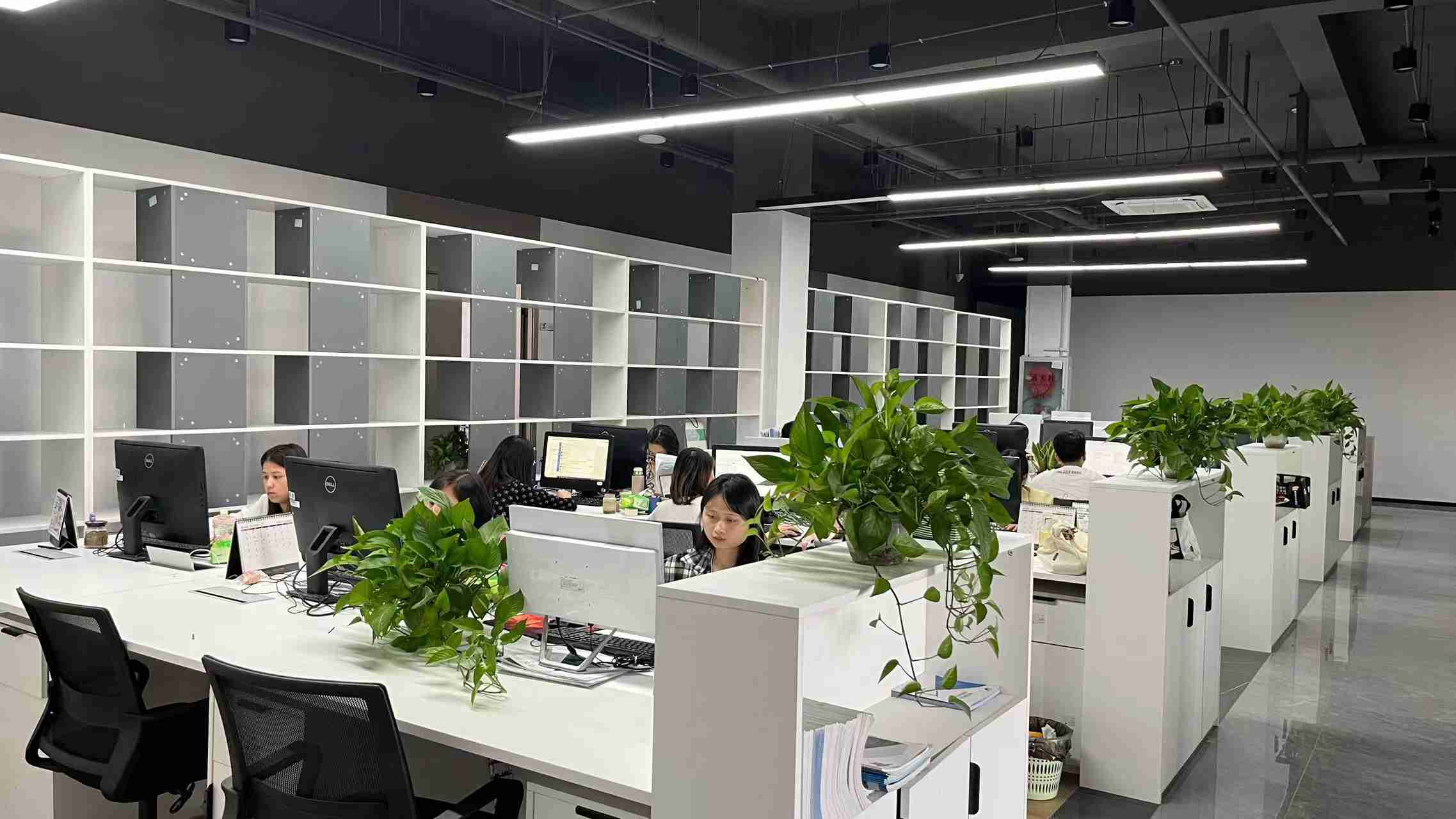
With over 12 years of industry experience and a robust R&D engineering team of 85 hardware and system engineers, Aiserveon delivers customized server architectures tailored for high-demand applications like enterprise CMS, cloud hosting, and AI model training.
Aiserveon's integration of upstream and downstream partners (approximately 850 partners) ensures a resilient supply chain, allowing for rapid prototyping, hardware configuration customization, and system integration.
The global digital economy relies heavily on efficient hardware manufacturing. China's industrial ecosystem, particularly in technology hubs like Shenzhen, offers unparalleled advantages for sourcing enterprise-grade server hardware:
With access to over 850 upstream and downstream partners, manufacturers like Aiserveon can source high-quality components—from chassis and power supplies to specialized RAID controller cards—with minimal lead times.
Chinese factories excel in flexible manufacturing. Whether you need custom BIOS/firmware optimization, specialized thermal management systems, or custom branding on server chassis, the engineering capacity is highly adaptable.
By optimizing assembly processes and leveraging local supply chains, manufacturers can deliver high-performance servers (such as xFusion and Dell configurations) at a highly competitive total cost of ownership (TCO).
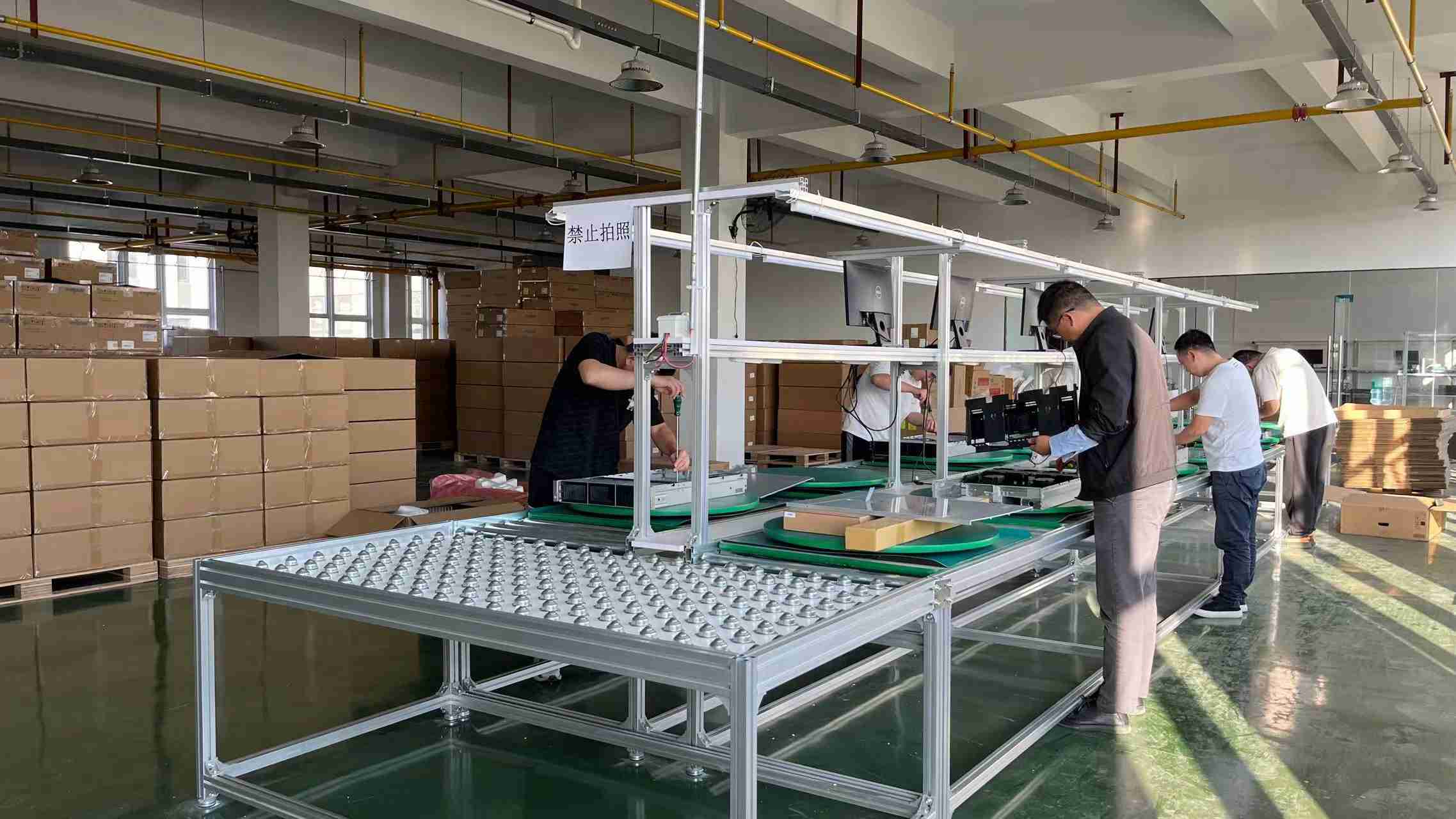
To ensure 24/7 uptime for mission-critical enterprise CMS platforms, Aiserveon implements a multi-stage quality control process managed by a dedicated team of 45 QC professionals.
Incoming Quality Control validates all raw materials and components (processors, memory, storage) before assembly.
In-Process Quality Control monitors the assembly line to ensure compliance with engineering standards.
Final Quality Control conducts full-load burn-in testing and automated performance stress testing.
Outgoing Quality Control performs AQL sampling and thermal stability validation prior to global shipping.
Operating an enterprise CMS globally requires strict adherence to regional data privacy and compliance frameworks, such as GDPR in Europe, HIPAA in healthcare sectors, and local data residency laws.
Aiserveon supports compliance at the hardware level by offering:
When procurement officers and CTOs evaluate hardware suppliers for CMS infrastructure, they focus on long-term reliability, scalability, and support. The core procurement checklist includes:
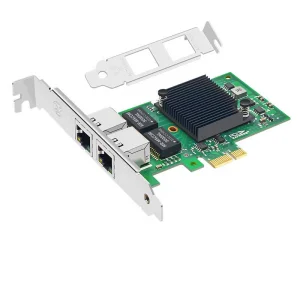
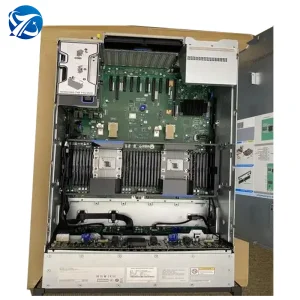
The ability to customize CPU cores, RAM capacity, storage interfaces (NVMe/SATA), and PCIe expansion slots to match specific database and caching requirements.
Requirement for full-load burn-in testing, thermal chamber validation, and compatibility certification with major hypervisors (VMware, Proxmox) and OS distributions.
Complete documentation of component origins, manufacturing batches, and quality inspection logs to ensure compliance with corporate governance policies.
Google's Core Web Vitals (specifically LCP and TTFB) are heavily influenced by server response times. High-performance servers with fast database access (via NVMe SSDs and optimized RAID controllers) process dynamic CMS requests faster, reducing page load times and directly improving search engine rankings.
OEM/ODM customization allows enterprises to optimize hardware for their specific software stack. For example, a headless CMS with high database read requirements can be configured with maximum NVMe storage slots, while an AI-driven CMS can be equipped with dedicated GPU accelerators for real-time content generation.
Aiserveon implements a strict multi-stage quality control process (IQC, IPQC, FQC, OQC) managed by 45 QC professionals. Every server undergoes full-load burn-in testing, performance stress testing, and thermal stability validation before shipment, ensuring 24/7 operational reliability.
Modern CMS platforms execute complex SQL/NoSQL queries to assemble pages. Consumer-grade drives cannot handle the continuous write/read cycles (IOPS) required by high-traffic sites. Enterprise SSDs (like Samsung PM883/PM9A3) offer high endurance, power-loss protection, and consistent low latency, preventing database bottlenecks.
Complete your infrastructure deployment with high-density rack servers, high-performance RAID controllers, and GPU-optimized computing nodes.