Aiserveon
Aiserveon
Aiserveon
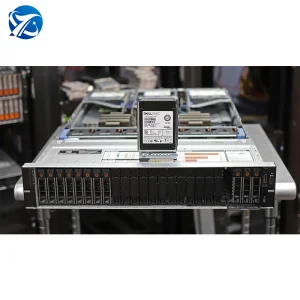
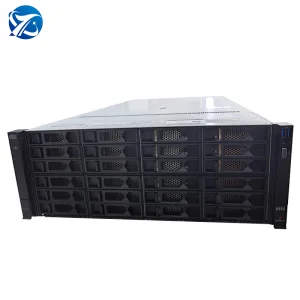
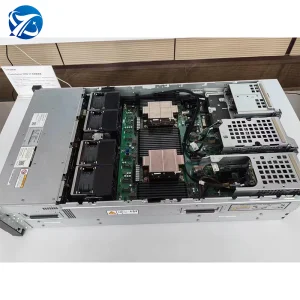
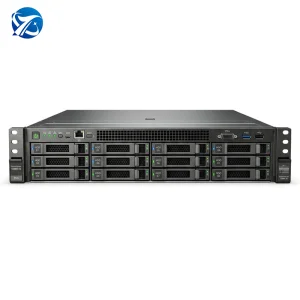
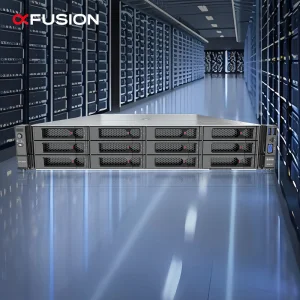
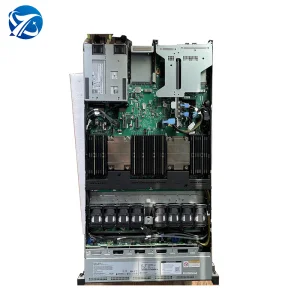
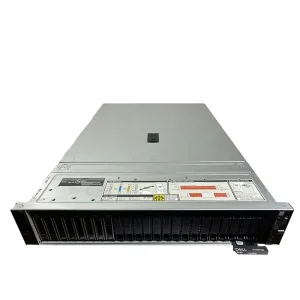
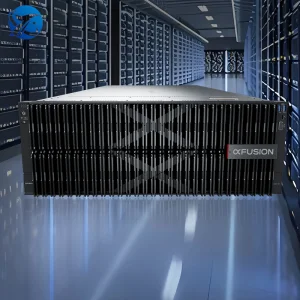
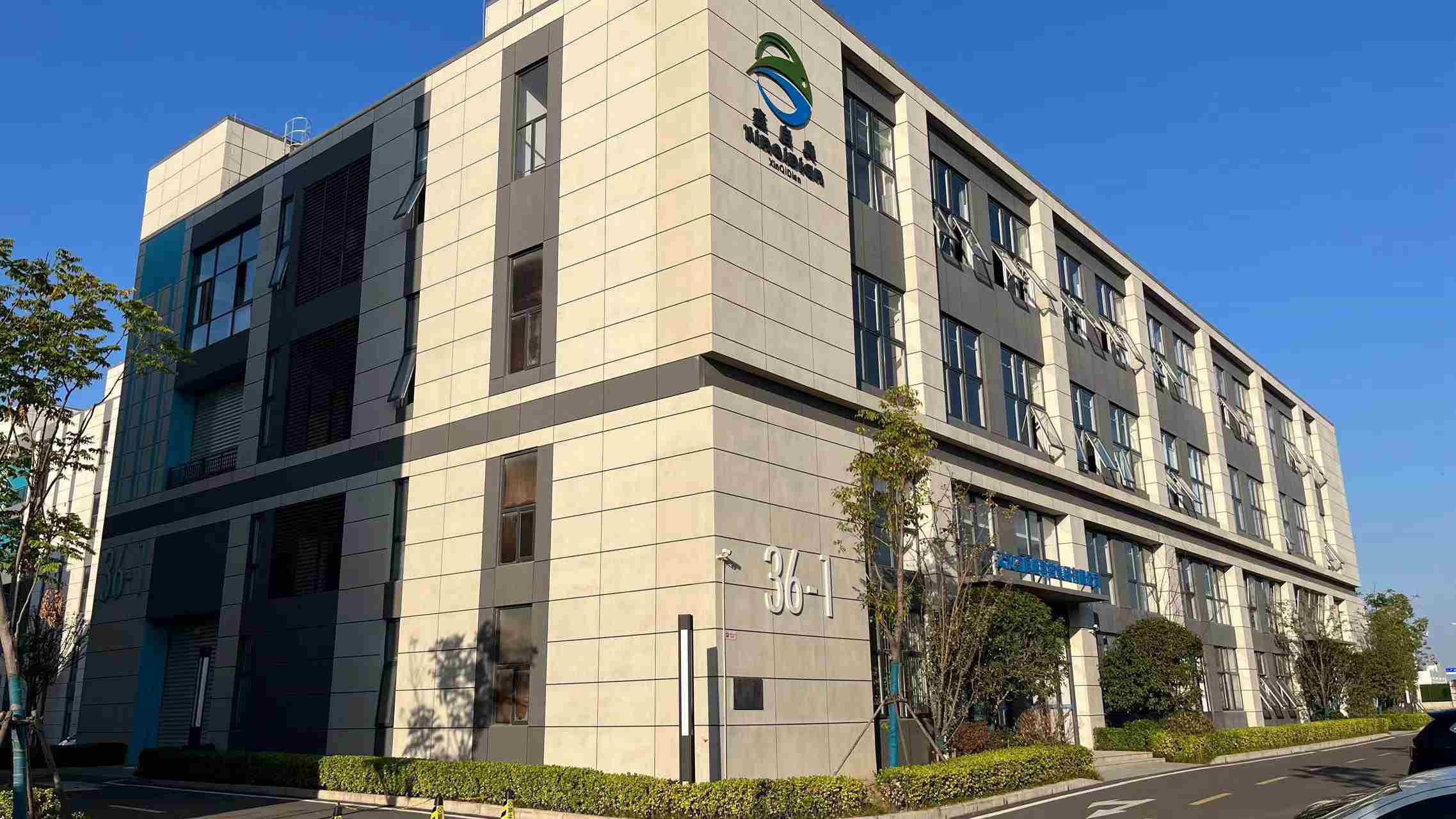
Aiserveon Intelligent Computing Tech Co., Ltd. is a premier global AI server and intelligent computing infrastructure manufacturer. Since our founding in 2016, we have committed ourselves to engineering and supplying top-tier high-performance GPU servers, custom AI clusters, and decentralized data center solutions.
Under the internationally recognized brand Aiserveon, we have bridged the gap between raw hardware capabilities and Web3 protocol requirements. Our infrastructure supports complex proof generation (such as ZK-Rollups), decentralized physical infrastructure networks (DePIN), hyper-scalable layer-1 and layer-2 validator operations, and cryptographically secure consensus mechanisms.
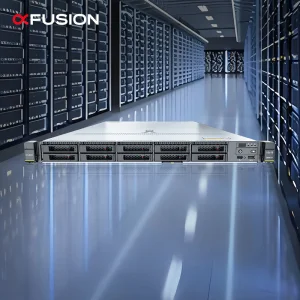
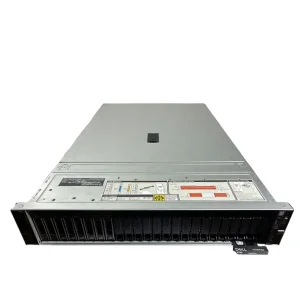
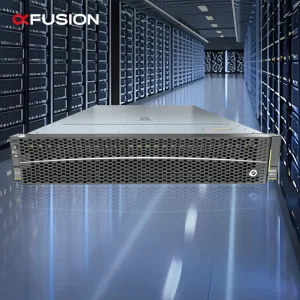
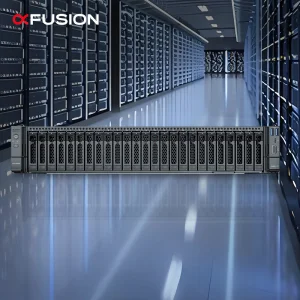
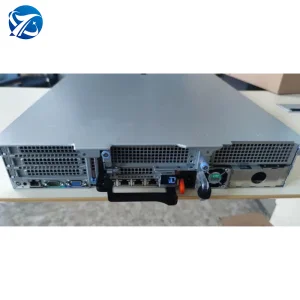
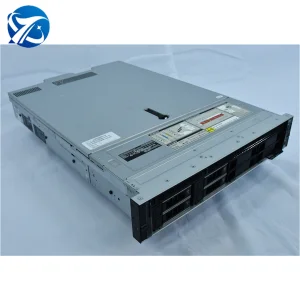
The transition toward Layer-2 scaling solutions (ZK-Rollups, zk-STARKs) demands substantial cryptographic hashing power. Standard CPU architectures are no longer viable. Enterprise node deployment now relies heavily on multi-GPU server rigs (using high-density servers like Dell PowerEdge R760 and xFusion G5500 series) to calculate matrix mathematical computations and polynomial commitments at scale.
Decentralized Physical Infrastructure Networks (DePIN) incentivize the deployment of real-world computing nodes, storage, and wireless arrays. High-density server platforms equipped with enterprise-grade NVMe drives (such as 1.92TB and 3.84TB configurations) are essential to prevent data storage bottlenecks, facilitate rapid packet routing, and ensure massive block state synchronization.
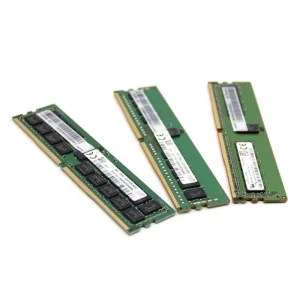
As decentralized AI models gain traction, cryptographic verifiability of AI weights and inputs is a major trend. Deployments like DeepSeek require specialized server configurations featuring high-performance GPUs, massive DDR5 ECC System RAM (such as xFusion DDR5 64GB variants), and dual-socket Xeon scalable processors to execute local inference while maintaining decentralized consensus ledgers.
Enterprise buyers from North America, Europe, the Middle East, and Southeast Asia look for reliable performance with low maintenance costs. The challenges in running a distributed blockchain network include:
Configured with high-frequency Intel Xeon Scalable Processors, rapid NVMe storage, and reliable redundant power systems to achieve 99.999% uptime. This mitigates downtime slashing risks for networks like Ethereum, Solana, and Cosmos.
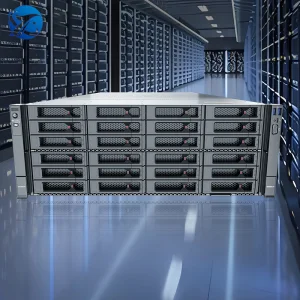
Deploying high-density server cases (such as 12*3.5 Inch Drive arrays or large NVMe storage systems) tailored for storage protocols (IPFS, Filecoin, and Arweave). Fast write speeds ensure rapid sealing operations.
Specialized GPU-optimized computing systems (e.g., xFusion G5500 Multi-GPU servers) tailored for compute-heavy ZK-proof construction. Substantially reduces validation times and network congestion.
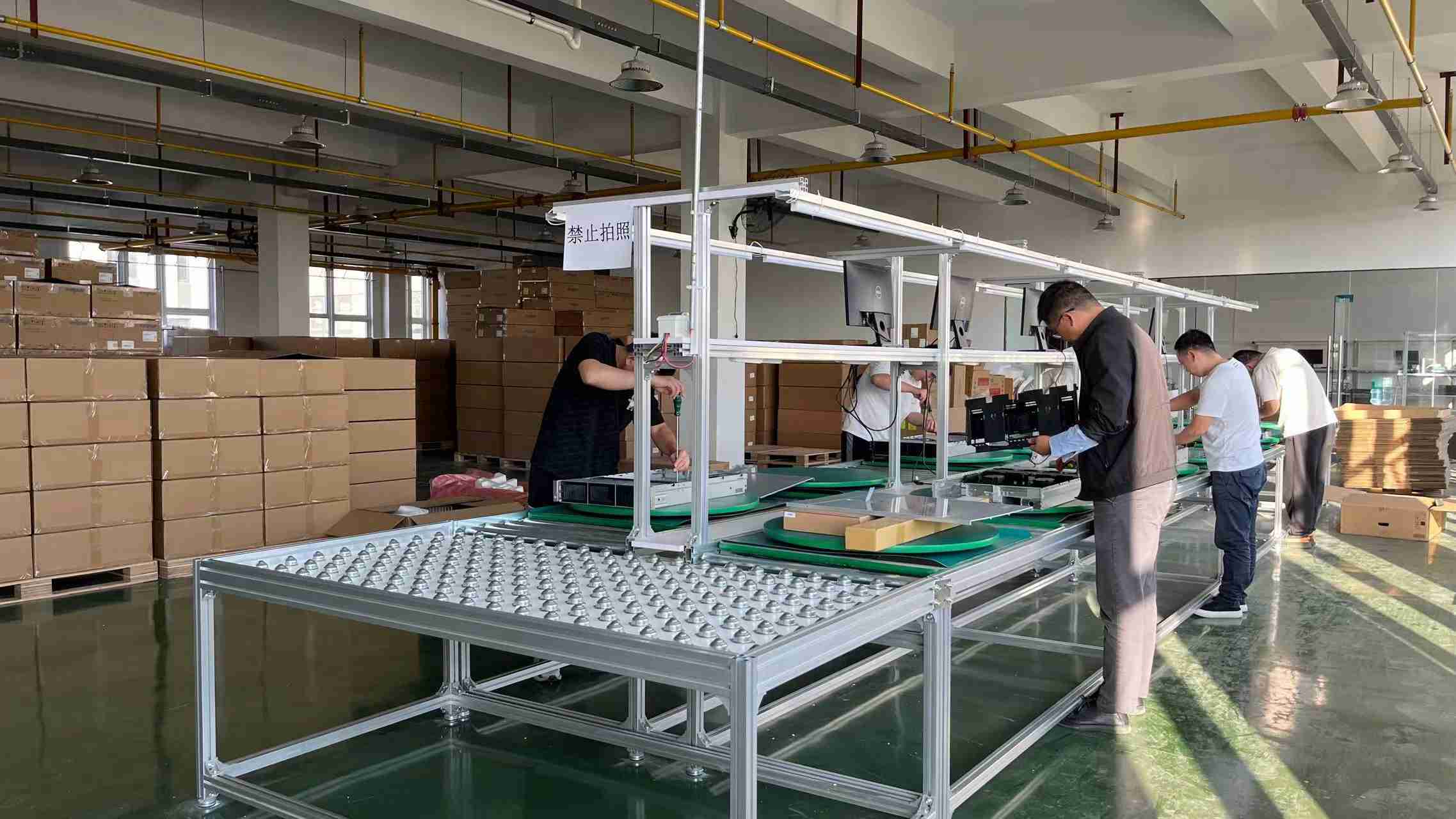
Aiserveon employs a dedicated 45-member Quality Control team to supervise every production line stage. Our quality control procedure is divided into four main layers for complete verification:
Every node server undergoes full-load burn-in testing, thermal stability validation, and AQL sampling inspections to ensure system reliability under persistent cryptographic workloads.
Developing closed-loop liquid-to-air cooling options for our 2U/4U rack servers. Liquid cooling mitigates thermal throttling on cryptographic compute arrays, reducing operational PUE down to 1.15.
Optimizing hardware lanes to integrate PCIe Gen 6.0 standards. This will double data transfer speeds between local NVMe cache arrays and GPU proving rigs, removing input-output bottlenecks in zero-knowledge scaling computations.
Partnering with silicon manufacturers to integrate secure cryptographic enclaves (Trusted Execution Environments - TEE) that support zero-knowledge verification directly on the motherboard CPU.
ECC (Error-Correcting Code) memory detects and corrects single-bit memory corruption in real-time. In high-density consensus engines, a single memory error could output incorrect block data, leading to node disqualification and staking penalty slashing. ECC DDR5 is standard on all our server models.
Our 85 hardware and system engineers provide custom configurations. We modify chassis layouts, adjust cooling fans, configure customized BIOS and secure-boot firmware, and load custom OS kernels to match client requirements.
All systems go through full-load thermal stress testing in our dedicated labs before shipment. We source components from trusted supply chain networks (over 850 partners), minimizing node failure rates during field operation.
Yes, our infrastructure platforms meet safety and electrical regulations for North America, Europe, Southeast Asia, and the Middle East, including CE, FCC, and RoHS certifications.