Aiserveon
Aiserveon
Aiserveon
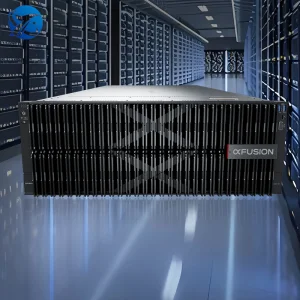
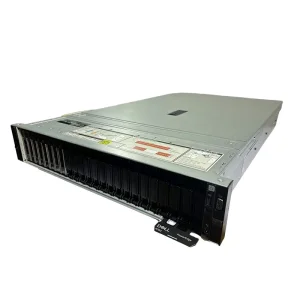
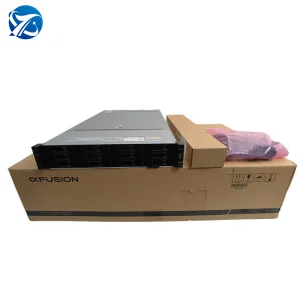
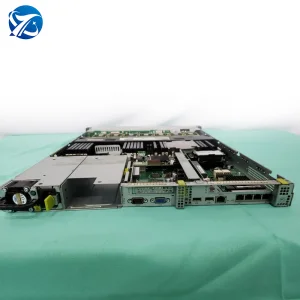
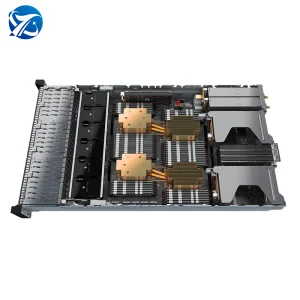
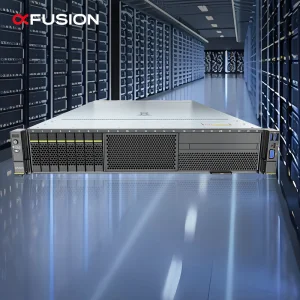
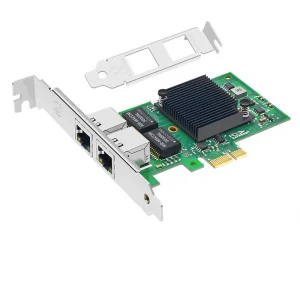
Pre-configured AI acceleration platforms, network interfaces, and high-density rackmount architectures equipped with next-gen Out-of-Band (OOB) Lights-Out management modules.
Whitepaper: Optimizing Out-of-Band Remote Access in High-Density GPU Clusters and Intelligent Computing Ecosystems.
In modern enterprise infrastructures, virtualization and decentralized topologies command robust remote configuration utilities. Standard network administration relies heavily on in-band operating system capabilities. However, when critical kernels panic, firmware corruption occurs, or physical server access is geographically unfeasible, enterprise operations require a secondary, dedicated path. Hardware-level Out-of-Band (OOB) remote access systems leverage built-in Baseboard Management Controllers (BMCs), such as Dell's Integrated Dell Remote Access Controller (iDRAC) and xFusion's iBMC, to establish low-level socket connections independent of the host OS status.
This dedicated management architecture ensures that server infrastructure remains configurable under absolute failure states. Our systems run dedicated microprocessors, allowing engineers to perform hard power resets, mount remote virtual ISO media, modify BIOS settings via UEFI interfaces, and execute firmware patches. Leveraging intelligent network controllers allows enterprises to lower operational overhead by minimizing local on-site diagnostic deployments, directly boosting metrics like Mean Time to Repair (MTTR).
Enforce end-to-end encryption with Hardware Root-of-Trust (RoT) to isolate critical bare-metal nodes from public networks. Ensures absolute out-of-band communication safety.
Designed for rapid cluster deployment. Integrate hundreds of server modules with IPMI 2.0, Redfish API, and SNMP protocols for seamless cloud management orchestration.
Real-time telemetry reports server thermal trends, fan speeds, rail voltages, and memory error-correcting code logs before hardware failures compromise operational availability.
Aiserveon Intelligent Computing Tech Co., Ltd. is a global leader in hardware orchestration, delivering dependable customized server structures and remote deployment systems since 2016.
Operating under our dedicated Aiserveon brand, we coordinate high-performance GPU server ecosystems, cluster solutions, and data-center configurations tailored for enterprise workloads. Built upon a 12-year foundation of industry experience and 6 years of direct global exporting, our custom production integrates deep hardware engineering with complex verification procedures.
Our quality assurance framework utilizes systematic multi-stage checkpoints, tracking critical parameters across IQC (Incoming Quality Control), IPQC (In-Process Quality Control), FQC (Final Quality Control), and OQC (Outgoing Quality Control). Every node undergoes full-load burn-in testing, structural thermal validation, and automated compute benchmarking. Supported by our internal R&D engineering force of 85 technicians, we consistently scale custom OEM/ODM solutions, introducing over 120 iterative hardware upgrades annually.
The progression of remote infrastructure technologies is redefining server operations across cloud networks, deep learning environments, and smart edge facilities.
Historically, remote bare-metal management relied strictly on IPMI (Intelligent Platform Management Interface) over LAN. While useful, classic IPMI lacks the programmatic adaptability needed for modern hyper-converged architectures. The industry has shifted toward the DMTF Redfish® API. Redfish utilizes RESTful interface semantics, JSON formatting, and OData schemas to represent hardware components as standard web resources. This change enables DevSecOps pipelines to manage servers, storage disks, and network switches through standard API requests.
Modern remote hardware deployment integrates continuous telemetric streaming directly from baseboard controllers. Advanced ASpeed AST2600 controllers track real-time currents, thermals, and memory errors, forwarding this telemetry data to centralized monitoring systems. By applying predictive machine learning pipelines at the infrastructure layer, enterprise data centers can predict drive or power supply failures days before they occur, scheduling automated service dispatch and system container migrations dynamically.
Modern CIOs and purchasing organizations require strategic alignment of supply security, engineering capability, and rigorous hardware customization.
Procuring large-scale compute infrastructure presents multi-faceted challenges. Security teams demand deep analysis of component sourcing to prevent supply chain alterations, requiring verified baseboard firmware. Purchasing agents demand global vendor support networks, high product lifetime estimates, and customizable hardware integration options.
As an OEM/ODM manufacturer, Aiserveon supports this strategic supply line. By maintaining active partnerships with approximately 850 verified upstream and downstream suppliers, we bypass typical components shortages, securing components like PCIe Gen 5 components, system boards, and high-frequency network transceivers. We offer tailored firmware setups (such as BIOS modifications, customized management addresses, and tailored splash screens) directly at our production facilities, delivering ready-to-provision hardware direct to target data centers.
Direct integration with top raw component vendors keeps deployment pipelines stable even during tight component allocations.
We configure custom physical node layouts, alternative chassis cooling paths, and optimized BIOS configurations to match your local power and thermal profiles.
Every node runs full stress diagnostics for at least 72 hours, reducing early hardware failures to under 0.05% globally.
How Aiserveon integrates hardware platforms with modern out-of-band management protocols across complex industry verticals.
For cloud providers, bare-metal orchestration requires secure, automated server provisioning. By integrating customized baseboard management modules with our high-density computing platforms, operators can instantly initialize, partition, and wipe instances using API-driven CLI tools. Automated network switches dynamically configure management interfaces onto isolated VLANs, securing physical infrastructure from tenant access.
Modern AI workloads, like DeepSeek or LLM model training, push GPU nodes to extreme power limits. Our compute clusters incorporate smart power management features, allowing remote teams to monitor board-level currents and adjust CPU/GPU clock limits dynamically when utility grids face peak loads. Redundant power supplies (PSUs) switch automatically between active power paths to maintain uptime.
In retail networks, logistics centers, and smart manufacturing plants, local server infrastructure is typically unstaffed. Our systems utilize 4G/5G backup out-of-band gateways. If local landlines fail, network engineers can connect securely via mobile data networks, access system boot consoles, run system updates, and verify local RAID storage sets remotely.
Every server model is built under verified compliance protocols, guaranteeing safe installation and cross-border operations.
Aiserveon infrastructure meets strict international standards, including CE, FCC, RoHS, and ISO9001. We maintain comprehensive traceability throughout production, assigning unique IDs to every critical chip, module, and power supply. If a component error is flagged, our ERP tracking system instantly identifies all affected server units in the manufacturing or deployment pipeline.
Beyond standard certifications, our systems undergo electromagnetic compatibility (EMC) testing and mechanical stress trials. This ensures that chassis models withstand severe vibrations, static pressures, and continuous thermal fluctuations without hardware failure, meeting the requirements of marine, transportation, and industrial operators.
A glimpse into the engineering developments shaping the future of remote node operations.
With quantum systems threatening classic encryption protocols, we are designing quantum-safe algorithms into our BMC firmware. By updating SSL and SSH handshakes to use post-quantum cryptography, we secure remote configuration access from future decrypt-now, analyze-later exploits.
Future management controllers will feature integrated light-weight neural processing units (NPUs). These on-board NPUs monitor real-time server metrics like temperature, fan vibration, and bus traffic locally, handling complex thermal profiles and minor faults autonomously without relying on cloud-based orchestration engines.
A look inside Aiserveon's high-tech manufacturing, testing lines, and design departments.
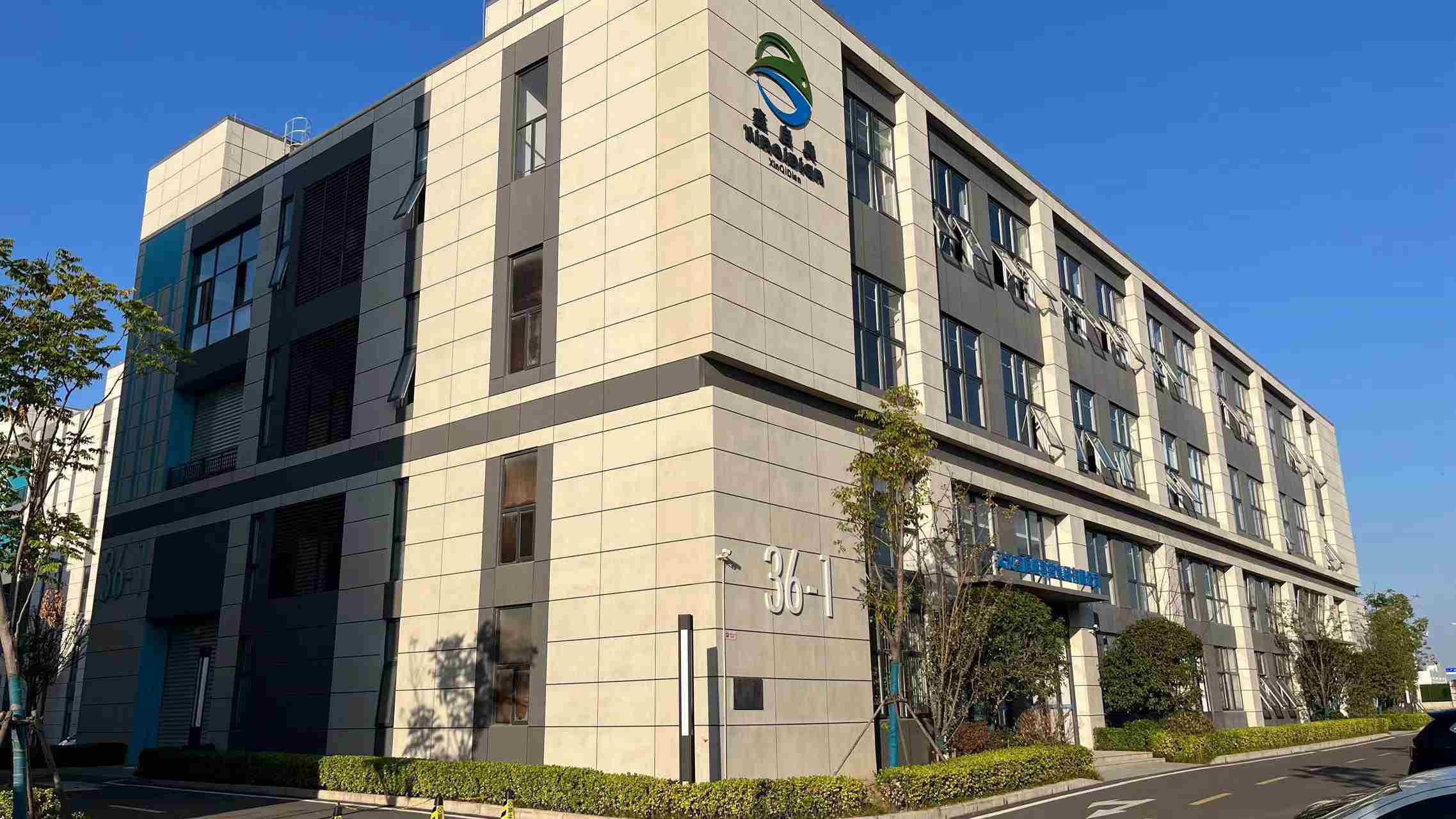
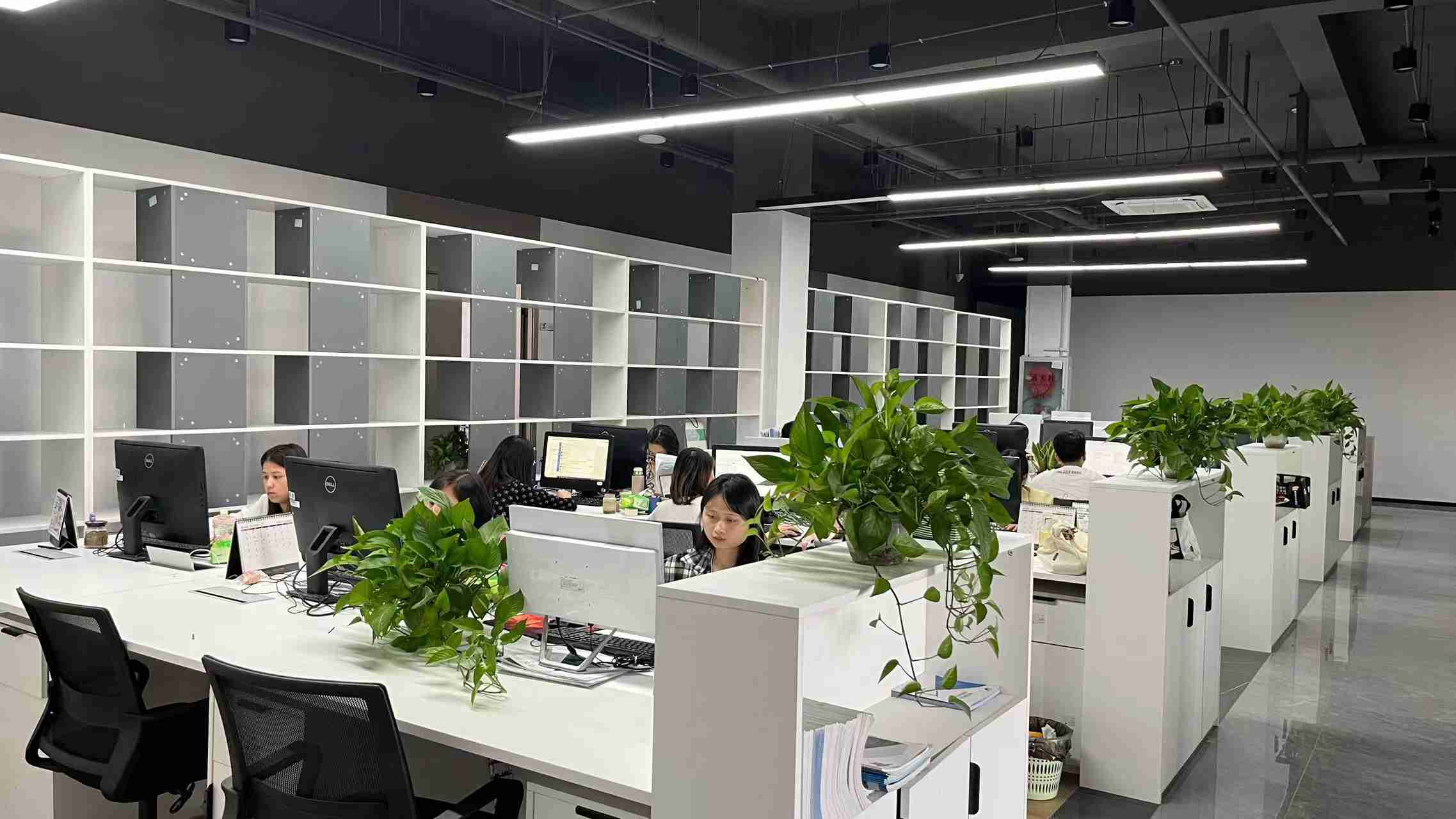
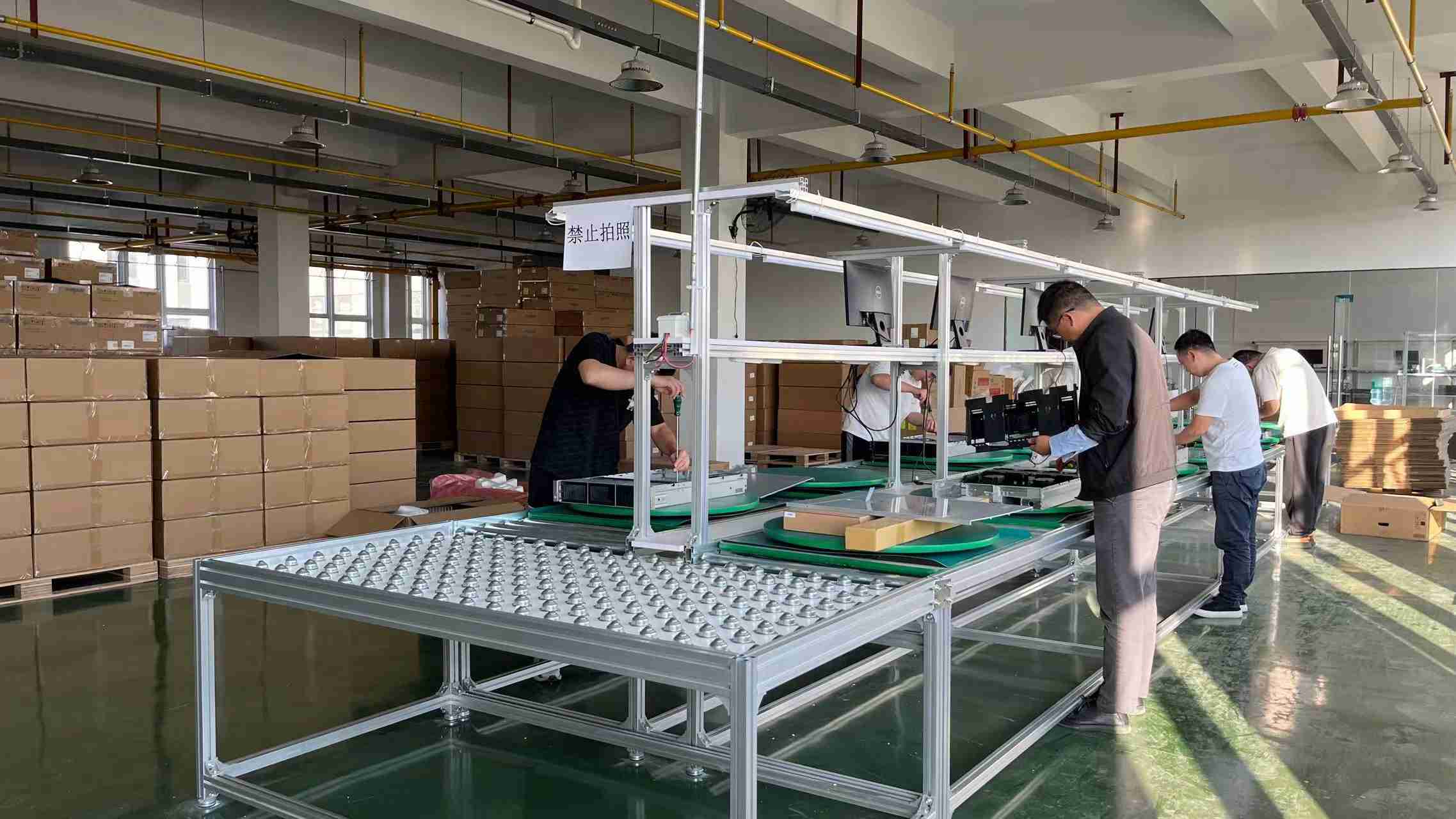
Answers to key architectural and purchasing questions about out-of-band server management and high-density hardware integration.
In-band access relies directly on the server's main CPU and host operating system to handle remote sessions (e.g., SSH, RDP). If the operating system crashes or the server loses network configuration, in-band access is lost. Out-of-band (OOB) remote access utilizes a dedicated Baseboard Management Controller (BMC) that operates on independent standby power. It retains network connectivity and control even if the host CPU is offline or the operating system is completely unresponsive.
We secure management interfaces using strict access policies: disabling legacy, insecure services like Telnet and IPMI-over-LAN by default. We configure custom baseboard management interfaces with secure TLS, signed HTTPS certificates, and support for multi-factor authentication (MFA) via LDAP/Active Directory. Additionally, we isolate all management traffic onto dedicated physical LAN ports, separating admin access from standard data lanes.
Yes. Our servers feature baseboard controllers compliant with Redfish standards. This allows automation tools like Ansible, Terraform, and Puppet to provision, update, and manage hardware configurations via standard HTTPS RESTful API requests, enabling seamless server configuration at scale.
We provide full hardware customization. This includes custom chassis designs to meet specific rack depth and thermal requirements, custom power supply configurations, pre-installed network interface cards (NICs), personalized firmware assets (BIOS, BMC), and custom brand silk-screening. Our team of 85 hardware engineers collaborates directly with your infrastructure leads to design nodes tailored to your exact application needs.
Aiserveon employs a rigorous quality control framework backed by 45 QA specialists. We audit upstream chip suppliers, track component serialization, and run multi-phase verification (IQC, IPQC, FQC, OQC). Once assembled, every server undergoes structural verification and a 72-hour full-load burn-in stress test, ensuring hardware reliability prior to shipment.
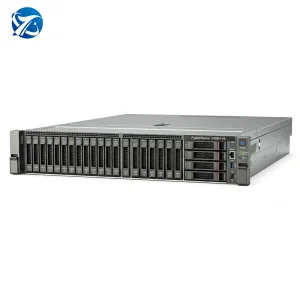
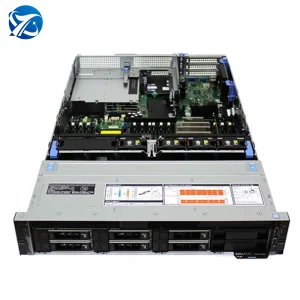
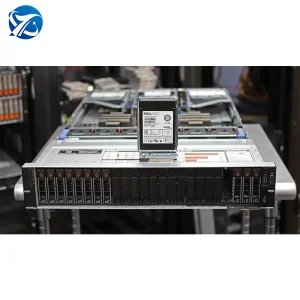
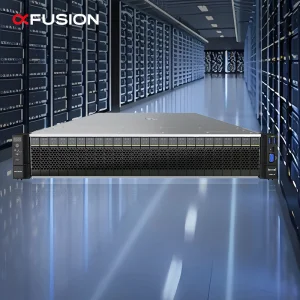
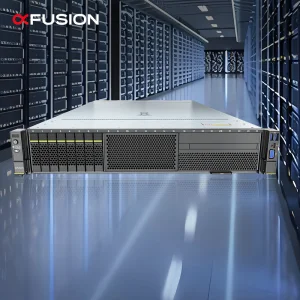
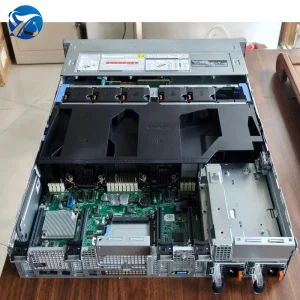
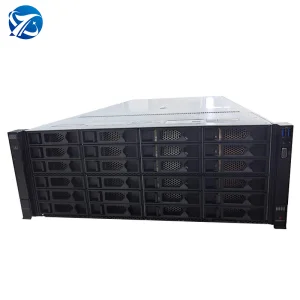
A selection of performance rackmount enclosures, RAID controllers, and network switches designed for distributed database storage and machine learning applications.