Aiserveon
Aiserveon
Aiserveon
High-performance rack solutions, processor nodes, and certified memory architectures configured for South Africa's enterprise cloud expansion.
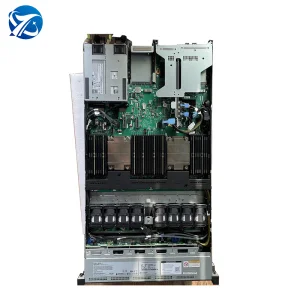
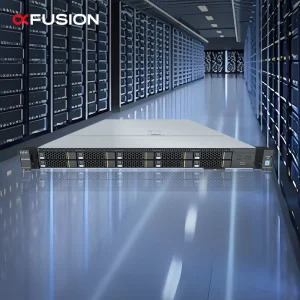
South Africa stands as the preeminent technological gateway to the African continent. Led by primary metropolitan economic zones like Johannesburg (Gauteng), Cape Town (Western Cape), and Durban (KwaZulu-Natal), the demand for high-performance computing, virtualization, and enterprise hardware has witnessed exponential growth. However, deployment within South Africa requires addressing unique geographical and infrastructural realities.
A primary operational challenge for local enterprises is power grid stability. With historical load-shedding phases, data center operators and enterprise IT architects place premium emphasis on energy efficiency and thermal engineering. Modern server configurations must feature highly efficient power supply units (such as 900W 80 Plus Platinum/Titanium redundant PSUs) and advanced Intelligent Power Management Interfaces (IPMI) to support seamless power transitions to diesel generators or battery-backed UPS systems. Choosing server architectures that minimize cooling demands and optimize power draw per compute cycle directly reduces the Total Cost of Ownership (TCO) in South African server rooms.
Moreover, the local telecommunications landscape is shifting. With the arrival of major subsea fiber-optic cables (such as Equiano and 2Africa) and the growth of hyper-scale facilities like Teraco, the regional latency threshold has plummeted. This development enables high-density analytics, machine learning pipelines, and local edge computing architectures in mining operations across Limpopo and the North West. Enterprise servers deployed here must act as reliable nodes capable of high-throughput network speeds and secure, automated out-of-band management.
Positioned as a globally recognized manufacturer of AI servers, high-performance GPU systems, and data center infrastructures, Aiserveon integrates raw supply capacity with rigorous testing methodologies.
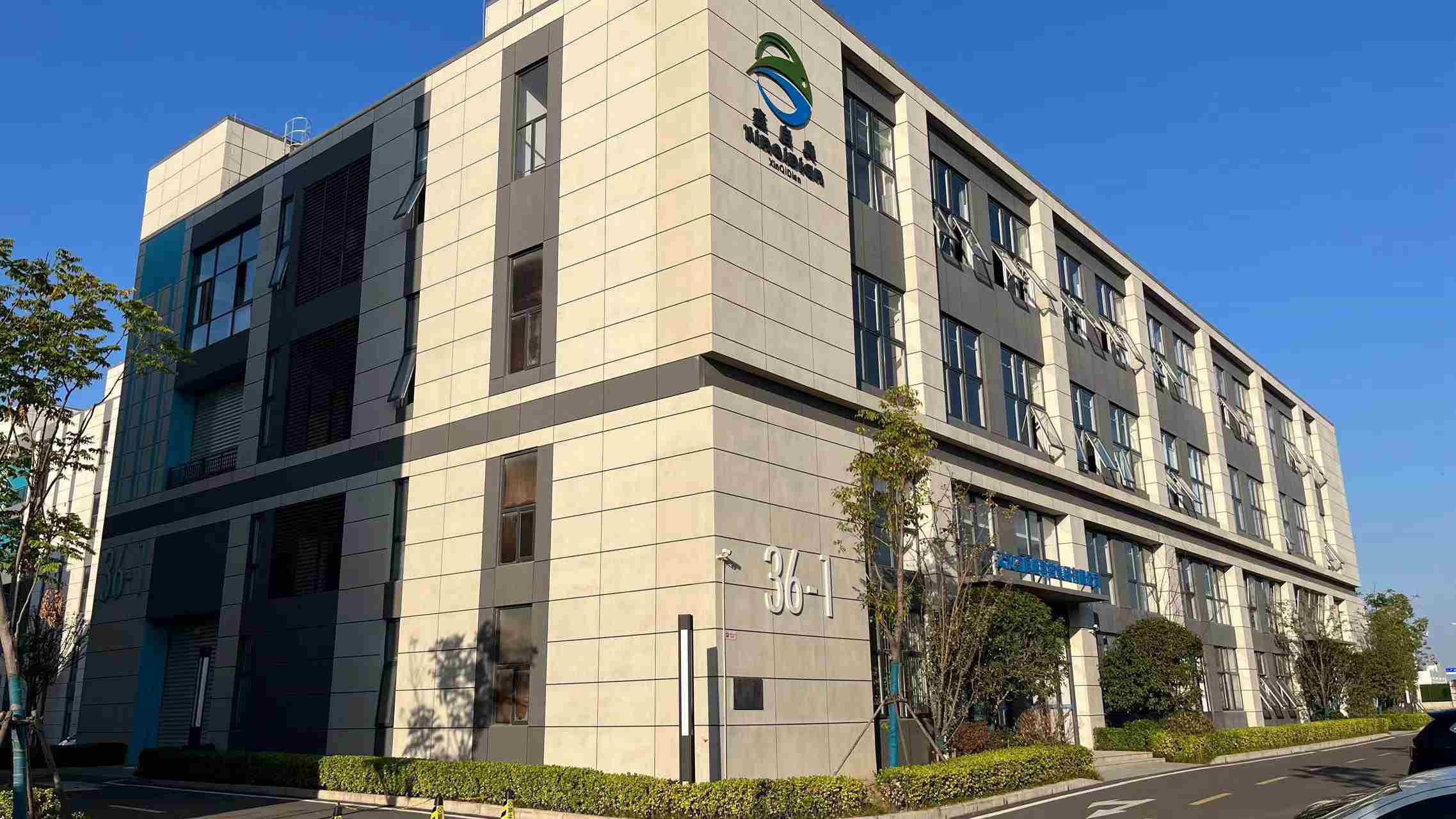
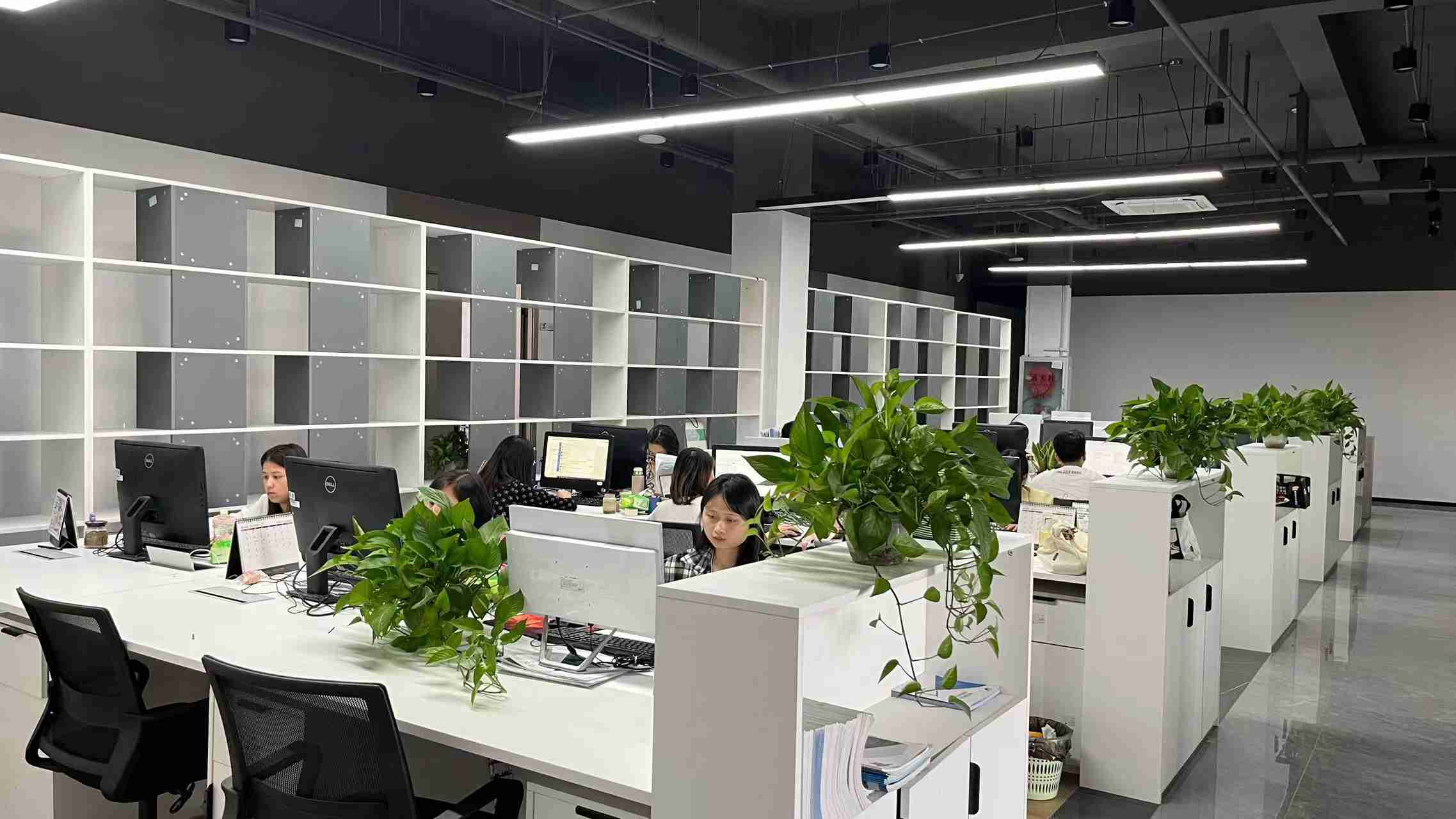
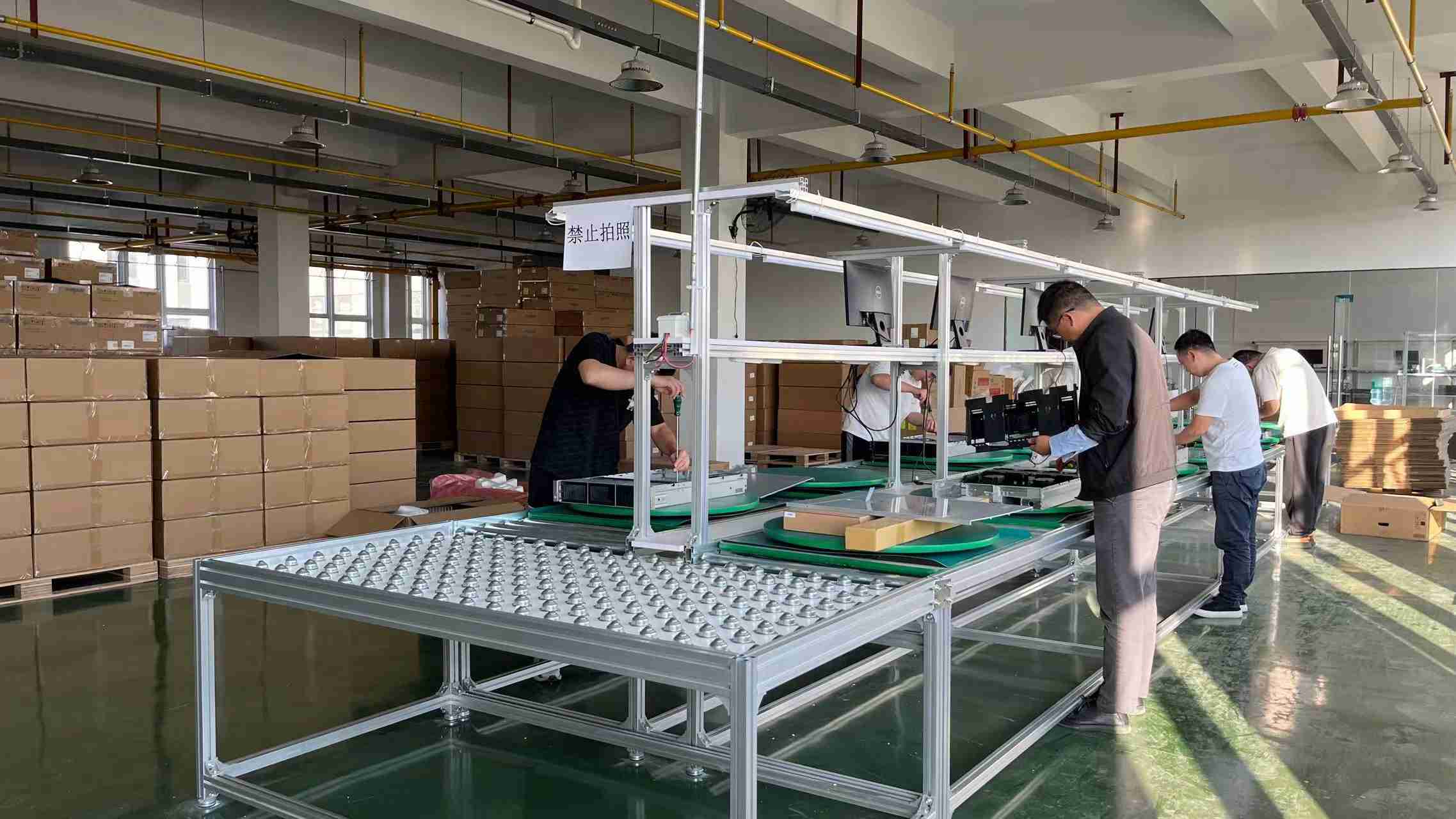
Operating out of state-of-the-art manufacturing zones, Aiserveon Intelligent Computing Tech Co., Ltd. has designed, integrated, and exported high-tier computing platforms since 2016. Our global procurement model relies on a network of 850 upstream and downstream component partners, assuring stable pricing and delivery of critical chipsets, high-speed RAM, enterprise SSDs, and custom server barebones even during global hardware shortages.
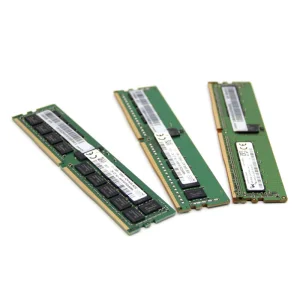
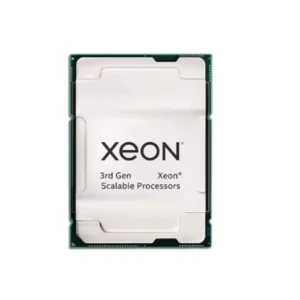
For South African IT buyers, this direct access to global supply chains ensures that hardware components like Intel Xeon Scalable processors, AMD EPYC architectures, and high-performance server memory are configured, built, and shipped directly from our certified factories. By skipping middle tier brokers, enterprise clients secure lower capital expenditures while preserving the exact technical specifications required for complex server room configurations.
The global technology sector depends heavily on East Asian manufacturing ecosystems, particularly the high-density hardware clusters in Shenzhen. The operational efficiency of Chinese server manufacturing and integration plants provides several distinct competitive advantages for global enterprises:
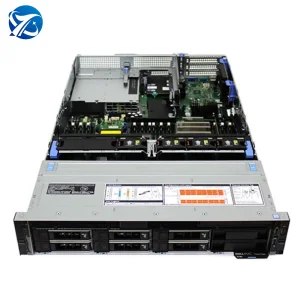
By leveraging this integration process, we ensure that xFusion, Dell PowerEdge-compatible architectures, and customized GPU systems are fully operational right out of the crate. Hardware latency, structural defects, and component failure rates are minimized, keeping post-delivery logistics clean and avoiding complex return processes for South African buyers.
Our facility adheres to ISO 9001 and high-precision testing protocols, providing full transparency on production and system configuration.
Modern server hardware is defined by the workloads it powers. In South Africa, server deployments target several key industry-vertical applications:
| Vertical Sector | Hardware Configuration Requirements | Primary Use Case in South Africa |
|---|---|---|
| Financial Services & Fintech | High-density 1U/2U servers, multi-core Intel Xeon/AMD Processors, high-speed ECC RDIMM RAM. | Low-latency transaction processing, payment gateways, fraud detection, and localized database management. |
| Mining & Natural Resources | Ruggedized edge nodes, high-capacity enterprise SSD storage, reliable thermal management. | Telemetry data acquisition, remote site safety analysis, processing of geological data in remote locations. |
| Telecommunications & ISPs | High-density virtualization nodes, dual-socket performance, multiple PCIe extension slots. | Network Function Virtualization (NFV), CDN caching servers, 5G signal routing, and ISP hosting structures. |
| AI Research & Inference | High-end multi-GPU barebone servers, redundant high-efficiency PSUs, PCIe Gen 4.0/5.0 pipelines. | Localized Natural Language Processing (NLP) models, computer vision systems, and analytical calculations. |
For instance, South African financial institutions are constrained by strict data sovereignty rules (such as POPIA - Protection of Personal Information Act), which mandate that personal data must reside locally. Consequently, public cloud solutions must be paired with hybrid or private cloud data centers hosted on-premise. Secure, high-efficiency servers located within Johannesburg and Cape Town serve as the bedrock for complying with these regulatory frameworks.
Enterprise computing is undergoing rapid technological evolution. Global IT procurement is shifting toward hardware designed for AI acceleration, modular upgrades, and carbon-footprint reduction. Understanding these trends helps buyers future-proof their data center architecture:
For South African companies purchasing hardware globally, the key is balance. While high-performance platforms offer high compute densities, they must align with local electrical capacities. Working with a supplier that configures custom processor speeds, optimizes power delivery curves, and implements efficient cooling systems ensures long-term operational viability.
Answering the most critical technical, purchasing, and logistics questions concerning server deployments in South Africa.
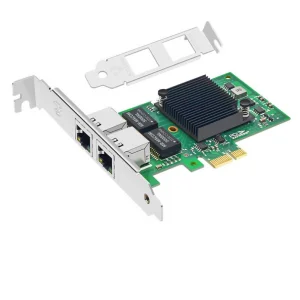
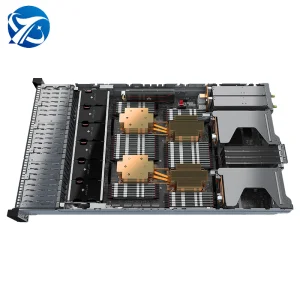
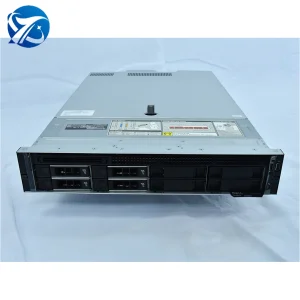
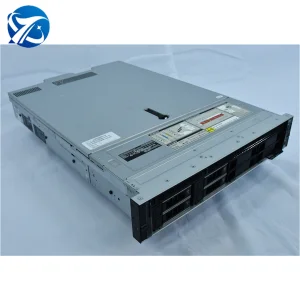
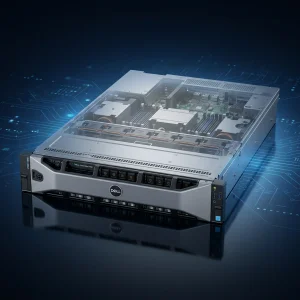
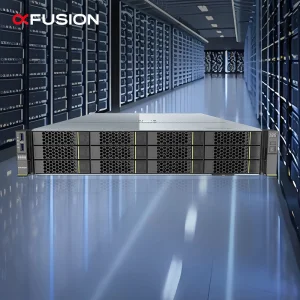
Browse our selection of enterprise-grade servers, compute accelerators, and high-performance controller accessories.
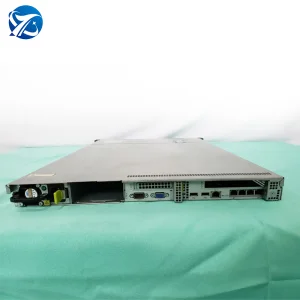
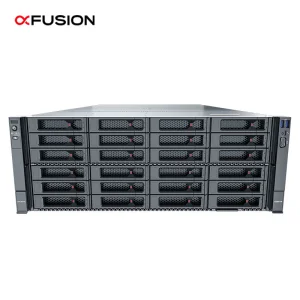
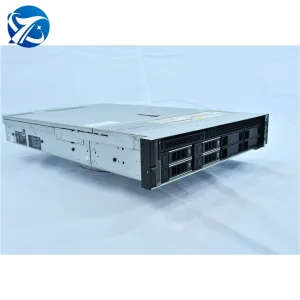
Get customized pricing estimates, configuration options, and hardware lead-time details tailored for South African deployment routes.