 Aiserveon
Aiserveon
Aiserveon
Empowering New Zealand's hybrid datacenters and research clusters with world-leading compute, RAID controllers, and dual-port HBA cards.
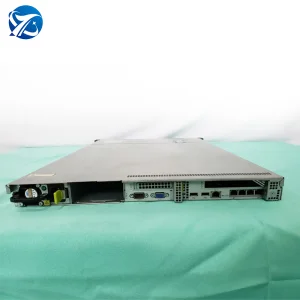
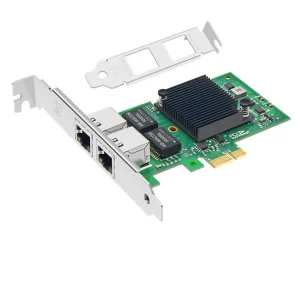
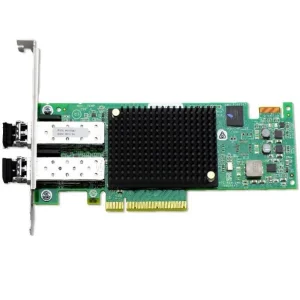
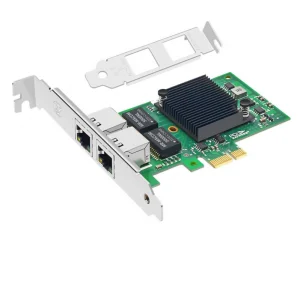
New Zealand's commercial and scientific sectors are undergoing an unprecedented digital transition. From metropolitan business clusters in Auckland and Wellington to the expansive AgriTech operations in Canterbury, the demand for enterprise computing has evolved beyond basic office hosting. Modern NZ enterprises require hybrid cloud infrastructures, massive local storage systems, and specialized acceleration options to support advanced workloads.
Geographical isolation presents New Zealand companies with unique cloud latency challenges. Relying purely on off-shore public cloud data centers can restrict performance for real-time operations like FinTech or automated manufacturing processes. Consequently, many Kiwi organizations are implementing a hybrid computing paradigm—maintaining critical databases and latency-sensitive workloads locally in regional facilities while utilizing the cloud for less sensitive, scalable tasks.
Furthermore, the Carbon Neutral Government Programme and strict compliance guidelines set by the Energy Efficiency and Conservation Authority (EECA) dictate that server hardware deployed within New Zealand must offer high energy efficiency ratios. Selecting the right server configurations—featuring 80 Plus Titanium power supply systems and optimized thermal flow layouts—is no longer optional; it is a key operational requirement for local businesses aiming to reduce energy costs and align with national sustainability goals.
Ensuring microsecond response times for regional operations, financial systems, and local manufacturing facilities across North and South Islands.
Utilizing state-of-the-art power distribution and optimized fan curves to significantly reduce thermal footprints and overall power consumption.
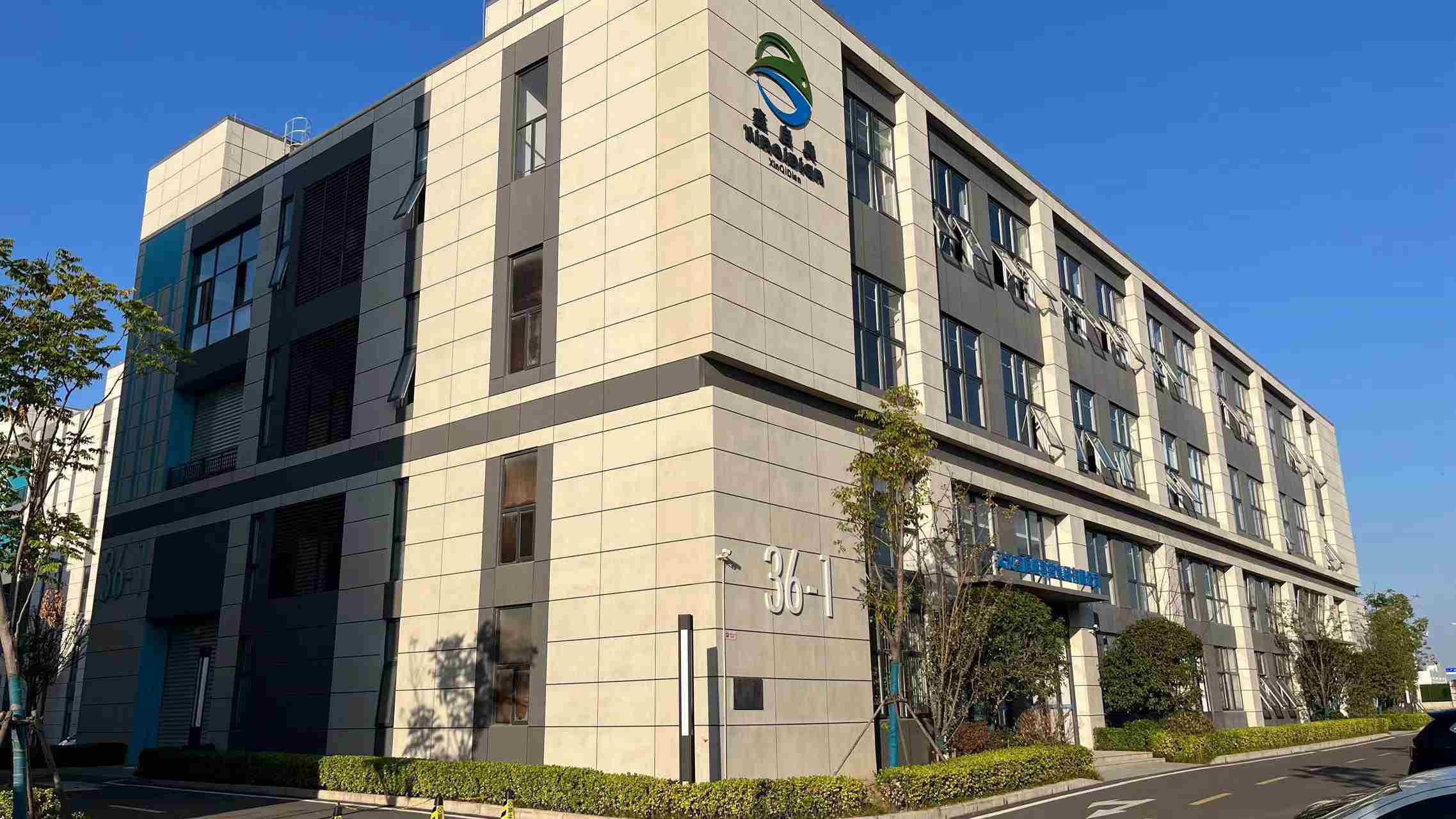
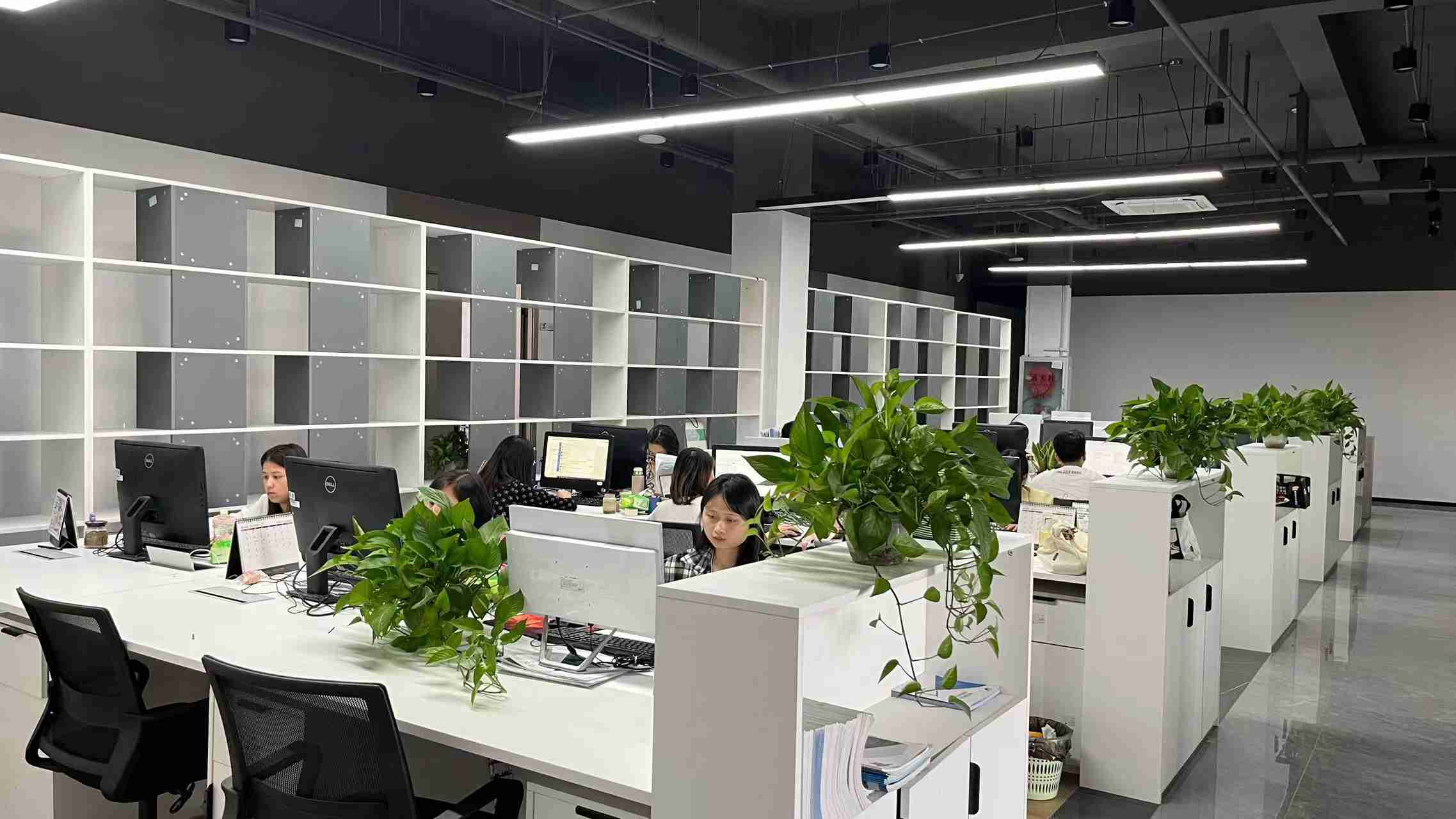
Aiserveon Intelligent Computing Tech Co., Ltd. sits at the heart of the global electronics and high-performance computing hardware manufacturing corridor in Shenzhen. With 12 years of industry experience and a highly optimized network of approximately 850 upstream and downstream component partners, we bridge the gap between complex hardware configurations and New Zealand procurement agents. By integrating advanced production pipelines with strict international standards, we supply enterprise servers, HBA cards, memory arrays, and high-performance network controllers to Kiwi IT managers.
Purchasing enterprise hardware directly from a Chinese partner provides New Zealand firms with significant advantages in both custom configure-to-order (CTO) capabilities and delivery speed. Because we source key system components—such as Emulex Fibre Channel HBA cards, high-density DDR4/DDR5 ECC RAM modules, and Broadcom SAS RAID controllers—directly from primary manufacturers, we eliminate middle-tier distributor markups. The resulting cost savings allow New Zealand organizations to maximize their infrastructure budgets, enabling them to invest more in processing cores and redundant storage arrays.
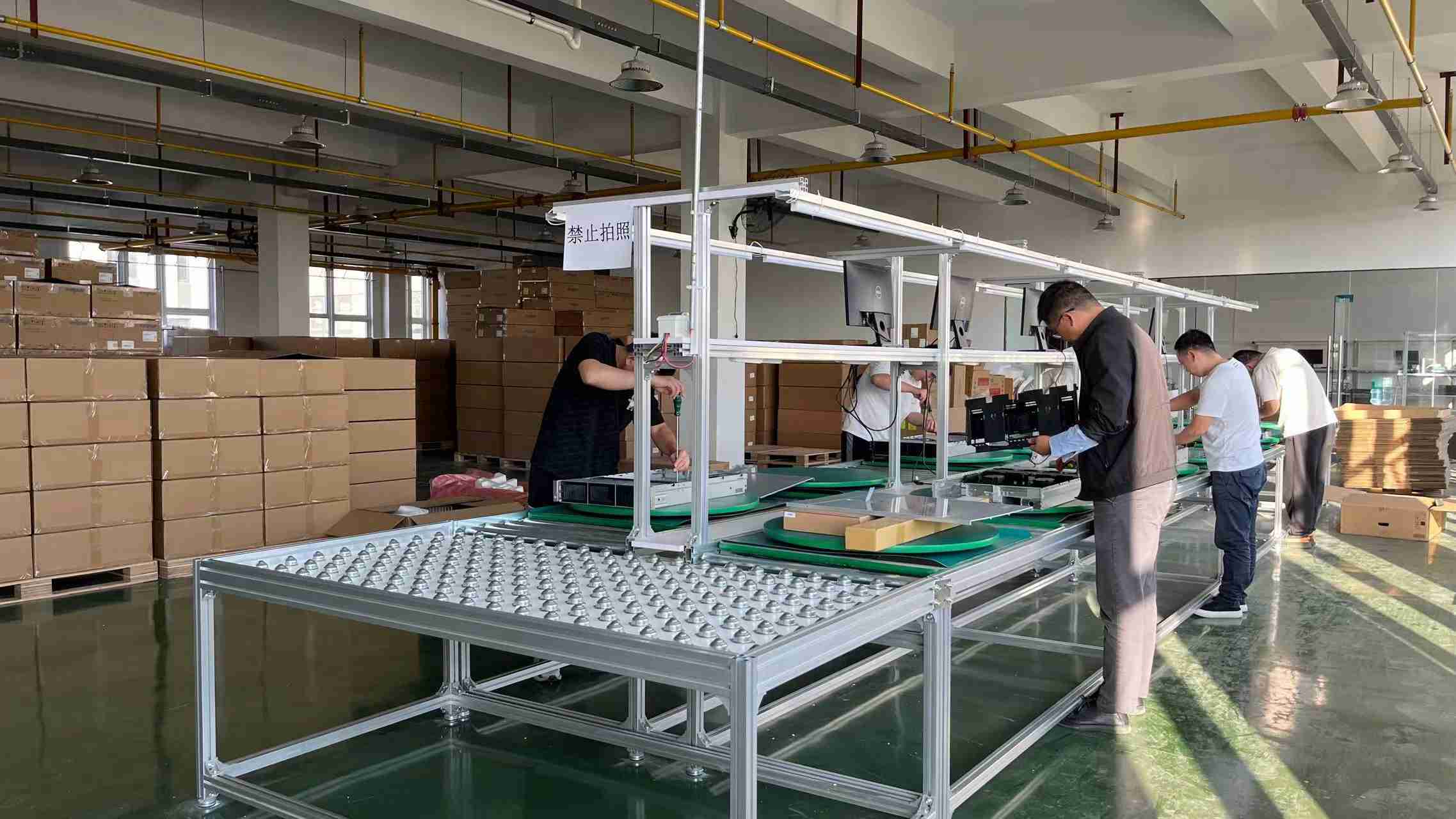
Our quality assurance protocol is designed to provide ultimate operational reliability. Every server, storage unit, and component shipped to the New Zealand region undergoes a thorough multi-stage inspection process. This includes Input Quality Control (IQC) at the component stage, In-Process Quality Control (IPQC) during system assembly, Final Quality Control (FQC) which features a 24-to-72 hour high-temperature burn-in run under 100% processing load, and Outgoing Quality Control (OQC) to verify shockproof export-grade packaging. This meticulous testing guarantees that our servers arrive in New Zealand ready for immediate rack installation and continuous runtime.
| Inspection Stage | Methodology & Verification Procedures | Target Parameters for New Zealand Shipments |
|---|---|---|
| IQC (Incoming) | Verification of CPU, memory chips, and high-speed PCB traces against strict electrical tolerances. | Zero defect rate on initial silicon components. |
| IPQC (In-Process) | Real-time structural monitoring during system assembly, thermal paste application, and cable routing. | Optimal airflow design and structural rigidity. |
| FQC (Final Testing) | Automated stress testing, full-load high-temperature burn-in, and bios firmware optimization. | 100% stability under peak computational workloads. |
| OQC (Outgoing) | AQL sampling inspections, secure customized packaging, and voltage compatibility verification. | Compliance with AS/NZS electrical standards. |
The operational profiles of New Zealand enterprises require specialized, purpose-built computing configurations. Rather than deploying generic machines, organizations can maximize performance by tailoring server architectures to their exact industry needs. Below are the primary application scenarios where our hardware configurations deliver the highest return on investment:
New Zealand's AgriTech sector generates vast amounts of environmental, animal health, and geospatial data. Implementing high-density 1U rack servers, such as the xFusion FusionServer 1288H V6, at regional processing sites allows firms to ingest and analyze sensor streams on-site. This edge processing reduces WAN bandwidth demands and enables real-time decision-making for dairy and agricultural operations.
Scientific entities in New Zealand process complex datasets related to seismic activity, geothermal energy, and meteorological patterns. These intensive workloads require the massive computing power of multi-socket rack systems equipped with GPU co-processors. High-capacity configurations, such as the FusionServer 5885H V7, provide the multi-core processing and memory bandwidth needed to run complex simulations efficiently.
As digital banking and online retail scale throughout Auckland and Wellington, financial platforms must process transactional operations with minimal latency. Utilizing PCIe 4.0 storage adapters, Emulex Fibre Channel HBAs, and optimized memory structures in systems like the Dell R750 ensures that database transactions are committed instantly, preventing queue delays and ensuring user satisfaction.
Local MSPs need reliable, scalable hardware to host multi-tenant containerized architectures for their enterprise clients. High-density rack systems with modular memory expansion allow these providers to run high-density virtual machines (VMs) and Kubernetes nodes, maximizing resource utilization per rack unit and lowering operating costs.
Explore our full selection of high-density rack servers, AI acceleration nodes, and certified ECC memory upgrades optimized for New Zealand enterprise environments.
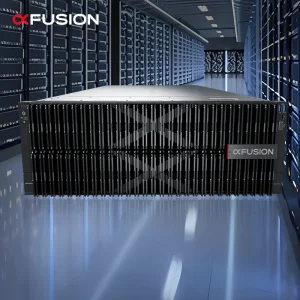
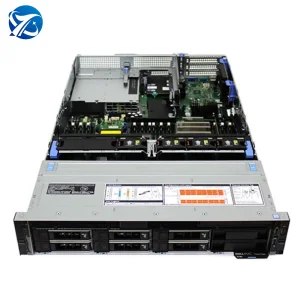
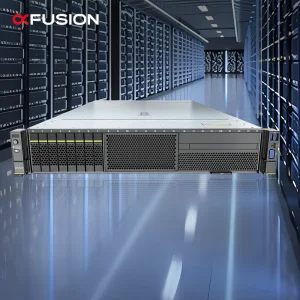
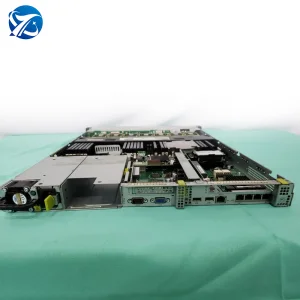
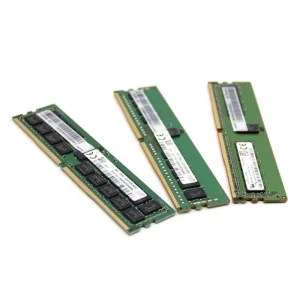
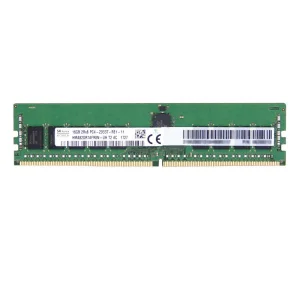
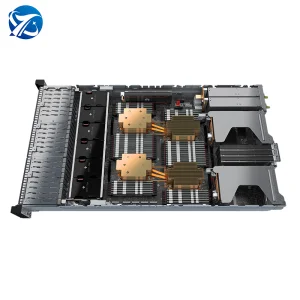
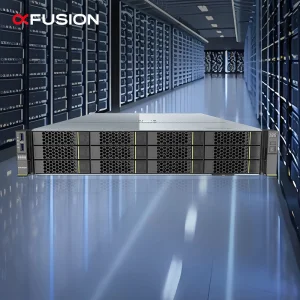
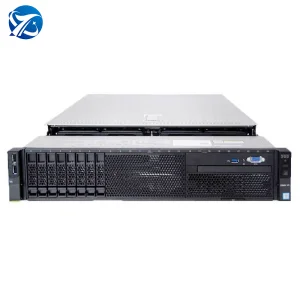
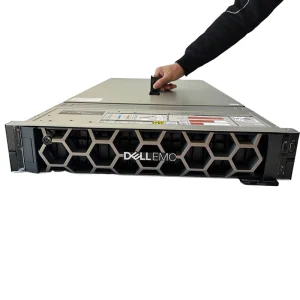
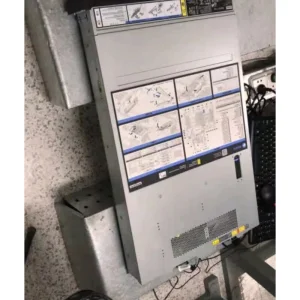
The global enterprise server market is transitioning toward dense processing architectures driven by the rapid growth of large language models (LLMs) and advanced data analytics platforms. High-performance processing architectures, like the xFusion 2258 V7, showcase the direction of data center infrastructure, where processing units are tightly integrated with dedicated AI accelerators. As New Zealand businesses adopt advanced machine learning, predictive analytics, and automated decision-making systems, local server rooms must adapt to handle these heavy computational workloads.
Additionally, high-speed storage access is critical to prevent system bottlenecks. The industry-wide shift from legacy SATA storage drives to high-speed NVMe arrays, managed by PCIe 4.0/5.0 controllers like the 9540-8i RAID system, ensures that storage performance keeps pace with modern CPU cores. With access speeds reaching gigabytes per second, systems can feed data to processing units without delay, which is essential for real-time applications such as transactional database updates and complex simulation runs.
Networking architectures are also adapting to support these high-speed storage configurations. Utilizing dual-port 32GB Fibre Channel HBA cards, such as the Emulex LPe35002-M2, allows local storage networks to maintain stable, high-throughput connections with minimal overhead. By implementing these advanced storage, processing, and networking standards, New Zealand organizations can build resilient, future-proof infrastructures ready to scale alongside evolving computational demands.
Get expert answers on importing, customization options, compliance, and shipping protocols for New Zealand IT infrastructure deployments.
Yes. All servers and enterprise networking hardware we export are equipped with auto-switching power supplies rated for 100V-240V AC at 50Hz/60Hz. This ensures full compatibility with New Zealand's standard 230V 50Hz mains power grid. We also verify that all power supply units (PSUs) utilize standard C13/C14 connection cables, allowing for simple integration into standard rack-based Power Distribution Units (PDUs) in local server rooms.
For standard configure-to-order (CTO) server setups, the assembly and quality control process typically takes 5 to 7 business days. Shipping times to New Zealand vary based on the method: air freight to major hubs like Auckland or Christchurch takes approximately 4 to 6 business days, while sea freight to major ports such as Auckland, Tauranga, or Lyttelton takes roughly 15 to 22 business days. All shipments include detailed tracking and custom export documentation to ensure efficient customs processing.
Yes. As an OEM/ODM supplier, we offer extensive hardware and firmware customization options. Our engineering team can configure custom BIOS settings, set specific cooling profiles to match your data center's environment, pre-install virtualization hypervisors, and apply custom branding to server chassis bezels. Please coordinate with our support team during the inquiry phase to document your specific hardware and software requirements.
We provide a comprehensive hardware warranty on all server systems and individual parts. In the event of a component issue, we utilize expedited air shipping to send replacement units directly to your facility, minimizing potential system downtime. Additionally, because we build our systems using standard, non-proprietary enterprise parts (such as Intel/AMD processors, Samsung/Micron memory modules, and Broadcom controllers), local IT teams can easily source and swap common components if urgent maintenance is required.
We minimize the risk of hardware issues upon arrival by putting all systems through a strict multi-stage testing procedure. After assembly, servers undergo automated diagnostic testing, memory read/write cycles, and a 24-to-72 hour burn-in period under 100% computational load within a temperature-controlled test environment. This stress-testing process helps identify and resolve potential component issues before the systems are packaged and cleared for international shipment.
Consult with our engineering team to design custom server configurations, order high-speed components, or plan a scalable datacenter deployment tailored to New Zealand's operating environment.
Send Inquiry Now