 Aiserveon
Aiserveon
Aiserveon
Empower your Sydney enterprise network with our core optical layers and ultra-low latency server configurations. Designed for seamless high-throughput environments and demanding localized AI computing infrastructure workloads.
As the digital capital of Australia, Sydney houses the country's most dense clusters of hyperscale data centers, financial institutions, and specialized biotechnology corridors stretching from North Ryde / Macquarie Park down to the emerging Western Sydney Aerotropolis. High-speed networking is no longer just a utility; it is the fundamental core of business viability. Today's commercial workloads—ranging from low-latency financial trading in Martin Place to machine learning model deployment in research parks—demand a sophisticated combination of Layer 3 core optical switches and high-density GPU nodes.
The shift toward "Deepseek-style" large-scale AI inference model hosting, localized private clouds, and hybrid enterprise environments requires hardware components that can guarantee consistent data throughput. In particular, the transition from traditional Gigabit Ethernet networks to all-optical 10G/40G/100G fabrics is essential to mitigate data center bottlenecks. System architects in Sydney must balance thermal output requirements, local Australian regulatory compliance, and raw compute performance.
Aiserveon Intelligent Computing Tech Co., Ltd. (operating under the brand Aiserveon) is a globally recognized AI server and intelligent computing infrastructure manufacturer. Since our founding in 2016, we have dedicated ourselves to building a robust manufacturing process that delivers high-performance GPU servers, optical switches, and tailored storage solutions for international markets, including Australia, North America, and Europe.
We understand that downtime in enterprise environments is incredibly costly. Consequently, our production facility features a comprehensive multi-stage quality inspection system (IQC, IPQC, FQC, and OQC) with full components traceability management. Our testing methodologies encompass:
Each networking switch and AI server chassis undergoes a continuous 72-hour thermal stress test at peak operating temperature to ensure components integrity.
Our dedicated team of 45 quality control professionals executes stringent Acceptable Quality Limit sampling on all production lots.
Ensuring total compatibility with modern routing protocols (OSPF, BGP, VRRP), VLAN configurations, and localized hypervisor setups (VMware, KVM, Proxmox).
Modern enterprise architectures in Sydney have shifted away from classic three-tier network trees in favor of two-tier Spine-Leaf network topologies. This design delivers predictable latency and high horizontal bandwidth capacity (East-West traffic redirection).
In a Spine-Leaf layout, every leaf switch (the access layer that interfaces with compute nodes and storage arrays) is connected directly to every spine switch (the backplane core switch layer). This configuration guarantees that any compute server can communicate with another with a uniform 3-hop limit, which dramatically improves performance for distributed workloads.
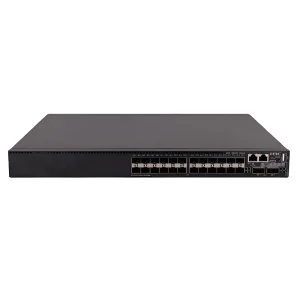
Our core offering, the **H3C S6520X-30QC-EI**, provides the dynamic routing, L3 switching logic, and hardware-based VXLAN virtualization support needed to manage this architecture. By utilizing 24 10G ports combined with 40GE optical uplinks, it allows network admins to aggregate high-throughput traffic and connect to the core internet gateways without packet drops or micro-burst losses.
Explore our complete catalog of GPU servers, storage modules, physical link cables, and DDR memory upgrades designed for high-availability enterprise environments.
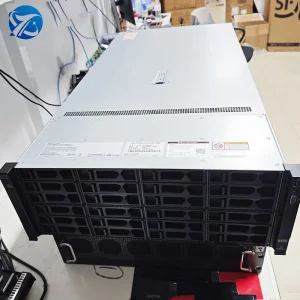
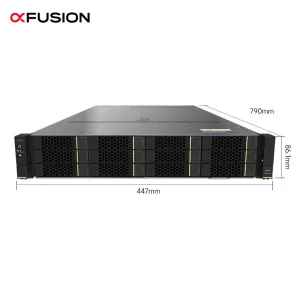
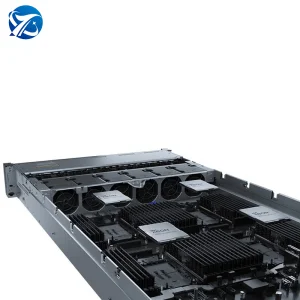
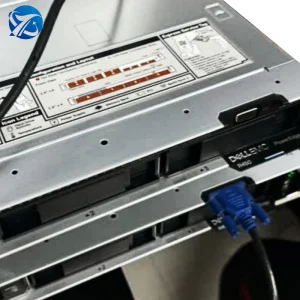
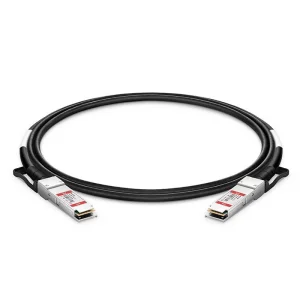
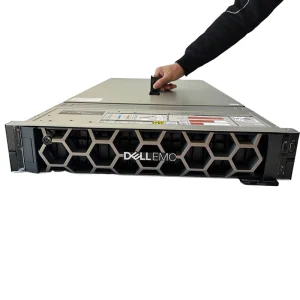
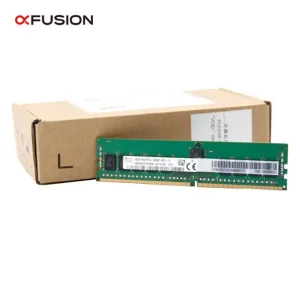
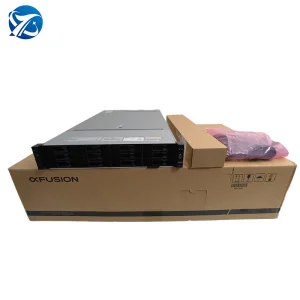
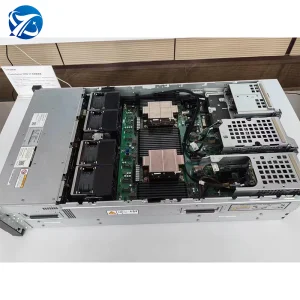
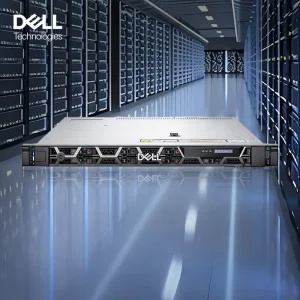
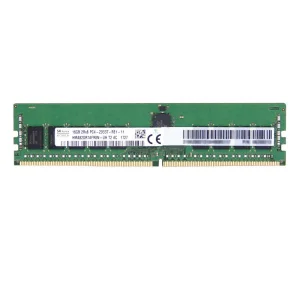
Take an inside look at our advanced assembly areas, stress testing rooms, and logistics centers where we build the backbone of tomorrow's compute infrastructures.
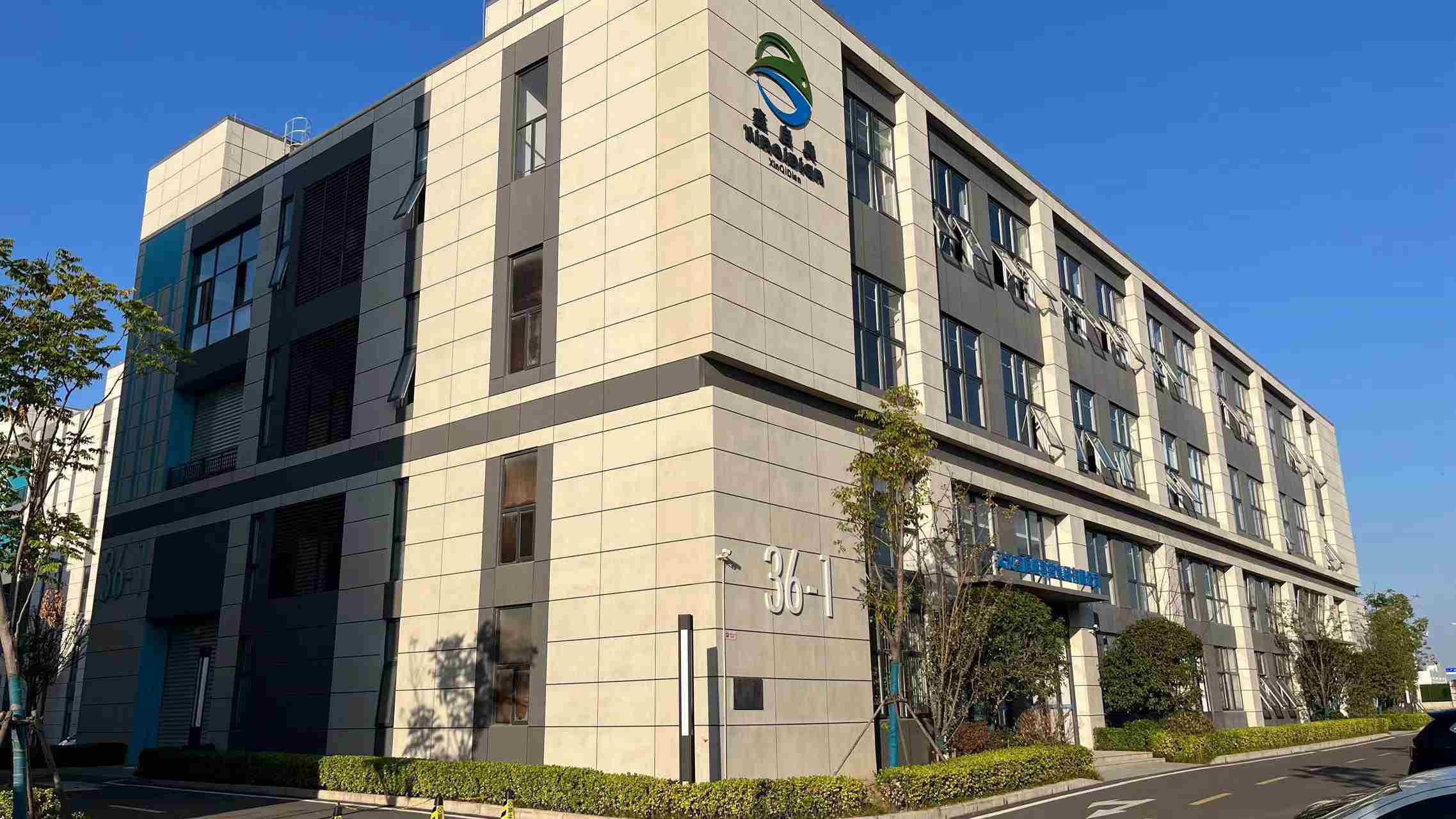
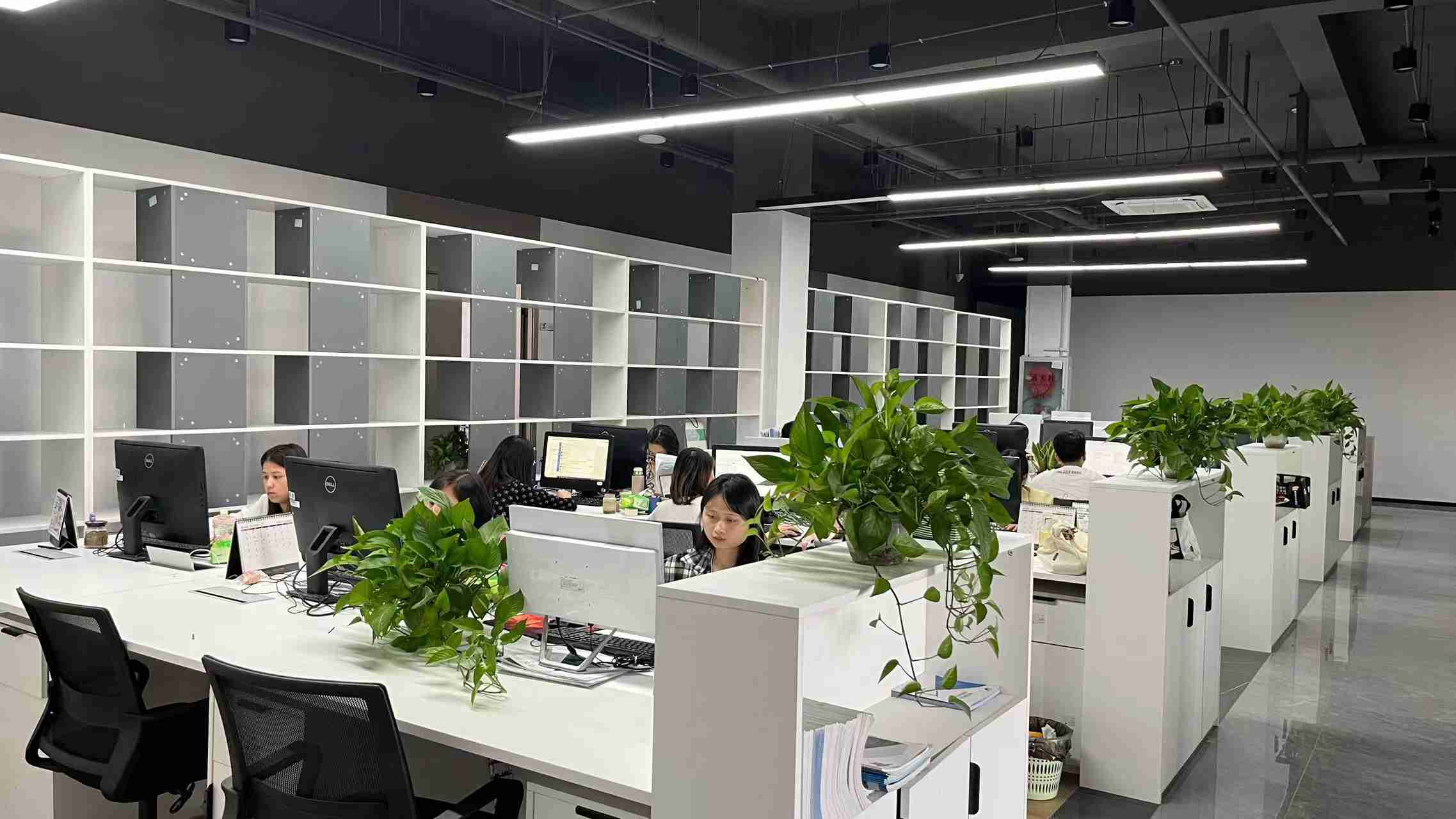
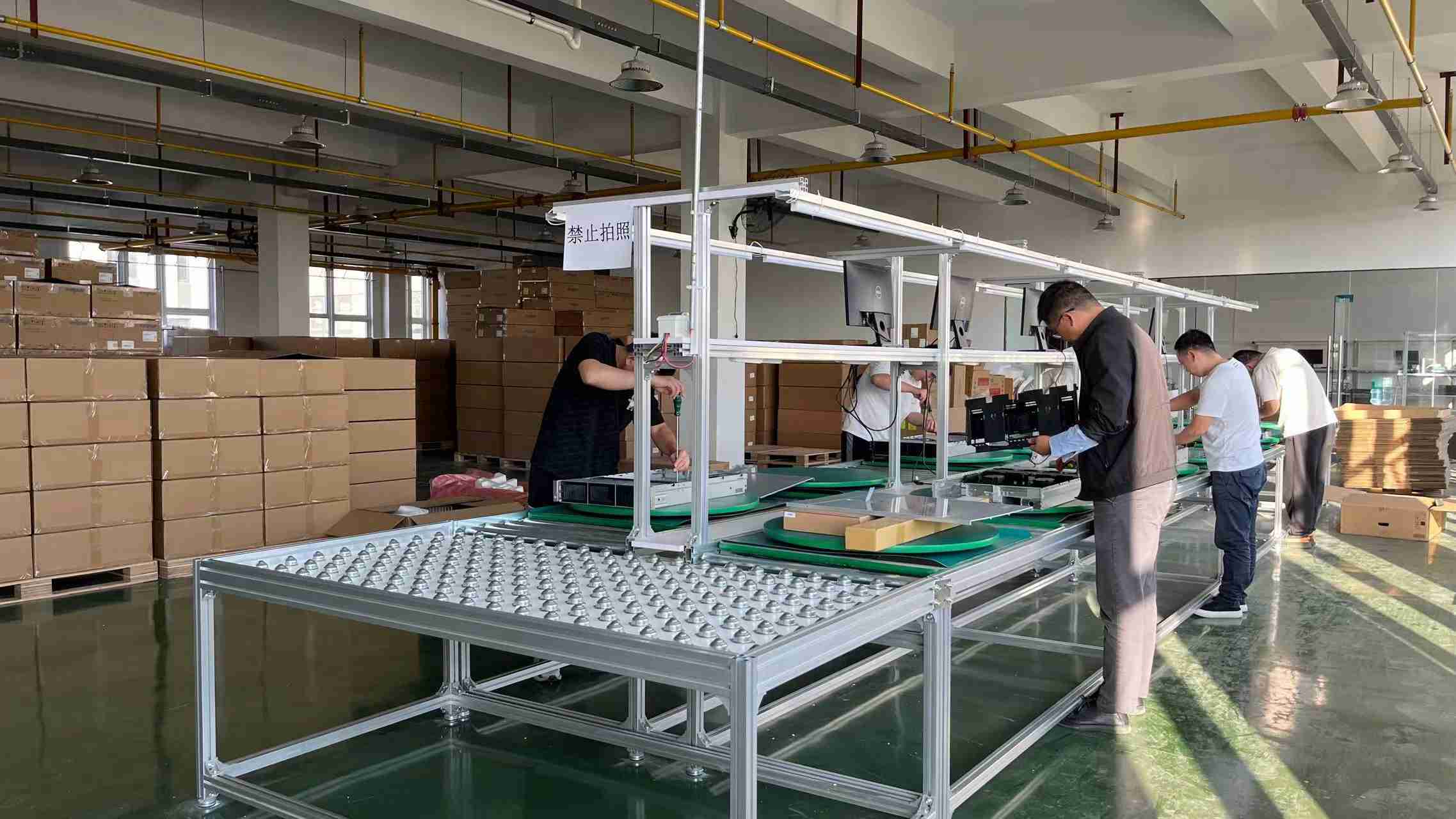
For Sydney corporate office locations and edge computing nodes, network administrators often run into the challenge of power distribution. While edge nodes require PoE (Power over Ethernet) to drive smart endpoints and security hubs, core routing demands high-speed fiber channels. Our optical switches bridging the core switch topology are engineered to optimize data routing efficiency, ensuring minimum physical transit hops from the access point straight to local storage SAN arrays.
Australian summers place significant stress on data center HVAC systems, driving up Power Usage Effectiveness (PUE) metrics. Aiserveon switches and AI servers feature highly optimized thermal pathways. Standard features include intelligent hot-swappable N+1 redundant fans, dynamically controlled by onboard thermal sensors. This ensures that computing arrays do not experience thermal throttling even under peak ambient room temperatures.
With high-density AI clusters (utilizing GPUs like H100, H200, and next-generation architectures) gaining massive traction in the Sydney business space, traditional 10G networks must be architected with clear upgrade paths. Utilizing high-speed direct-attach copper cables (DACs) and optical transceiver upgrades from Aiserveon provides a modular path. System admins can run cost-effective 10G/40G backplanes today and transition to high-speed interfaces seamlessly as processing requirements double.
Get in touch with our network design specialist team today to configure a spine-leaf network, request custom branding for your hardware, or obtain a wholesale quote for your Sydney data facility.
Send Inquiry Now