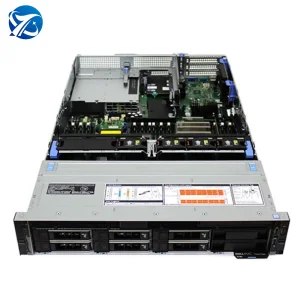
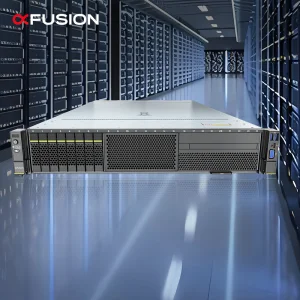
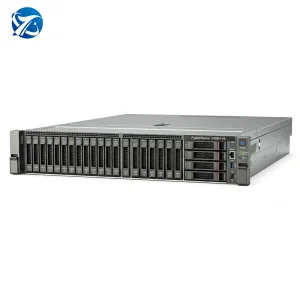
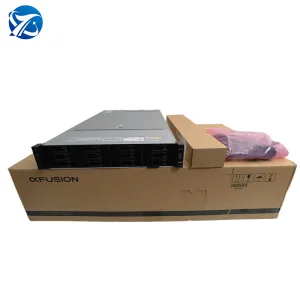
Aiserveon
Aiserveon
Aiserveon
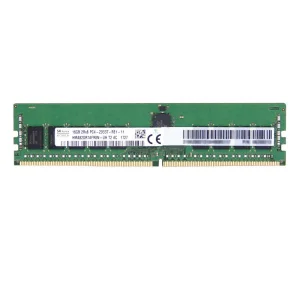
Accelerate your existing Philippines data center systems with our factory-direct, ECC-registered server memory modules designed for continuous 24/7 workloads.
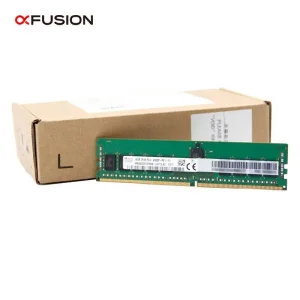
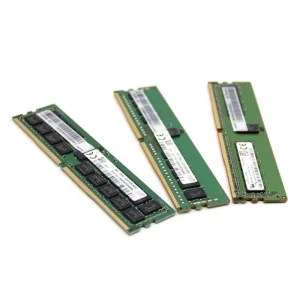
The digital economy of the Philippines is witnessing an unprecedented transition. Accelerated by the government's Cloud First Policy, the expansion of high-speed telecommunications infrastructure, and a massive surge in localized fintech adoption, the archipelago has become one of the most competitive regions for hyperscale data centers in Southeast Asia. International cloud providers and domestic enterprises are rapidly scaling their infrastructure to support high-density computing and big data storage requirements.
The National Privacy Commission (NPC) of the Philippines under the Data Privacy Act of 2012 has increasingly emphasized data residency. This creates a critical business demand for localized hosting and reliable storage architecture within physical borders, forcing service providers to seek highly robust rack-mounted server hardware that meets global standards.
Consequently, modern business environments in cities like Metro Manila, Cebu, and Clark require storage solutions that do not just store information but also offer high throughput and minimal downtime. From Business Process Outsourcing (BPO) centers processing petabytes of consumer voice and text logs, to local financial institutions routing thousands of transactions per second, the quality of hardware memory, storage servers, and GPU arrays dictates competitive standing.
Procuring hardware for scale-out data projects requires balancing raw performance with cost-efficiency. As a leading AI server and intelligent computing infrastructure manufacturer, Aiserveon Intelligent Computing Tech Co., Ltd. channels the unmatched advantages of the Shenzhen electronics cluster directly into the Philippine enterprise market.
By leveraging more than 850 upstream and downstream supply chain partners, Chinese manufacturing facilities can offer customized BIOS configuration, thermal engineering optimizations, and OEM/ODM options that are typically inaccessible or cost-prohibitive through Western hardware channels.
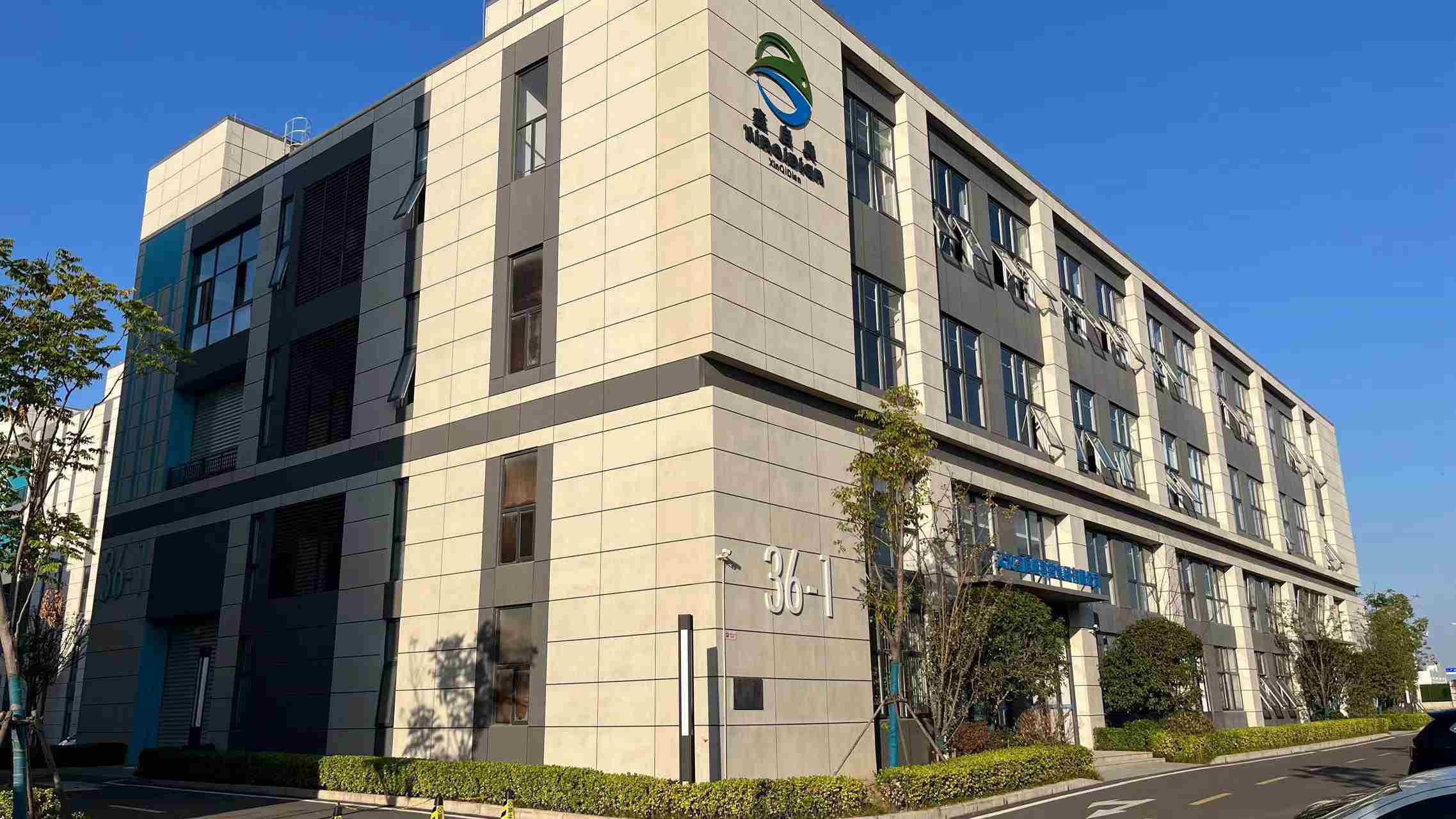
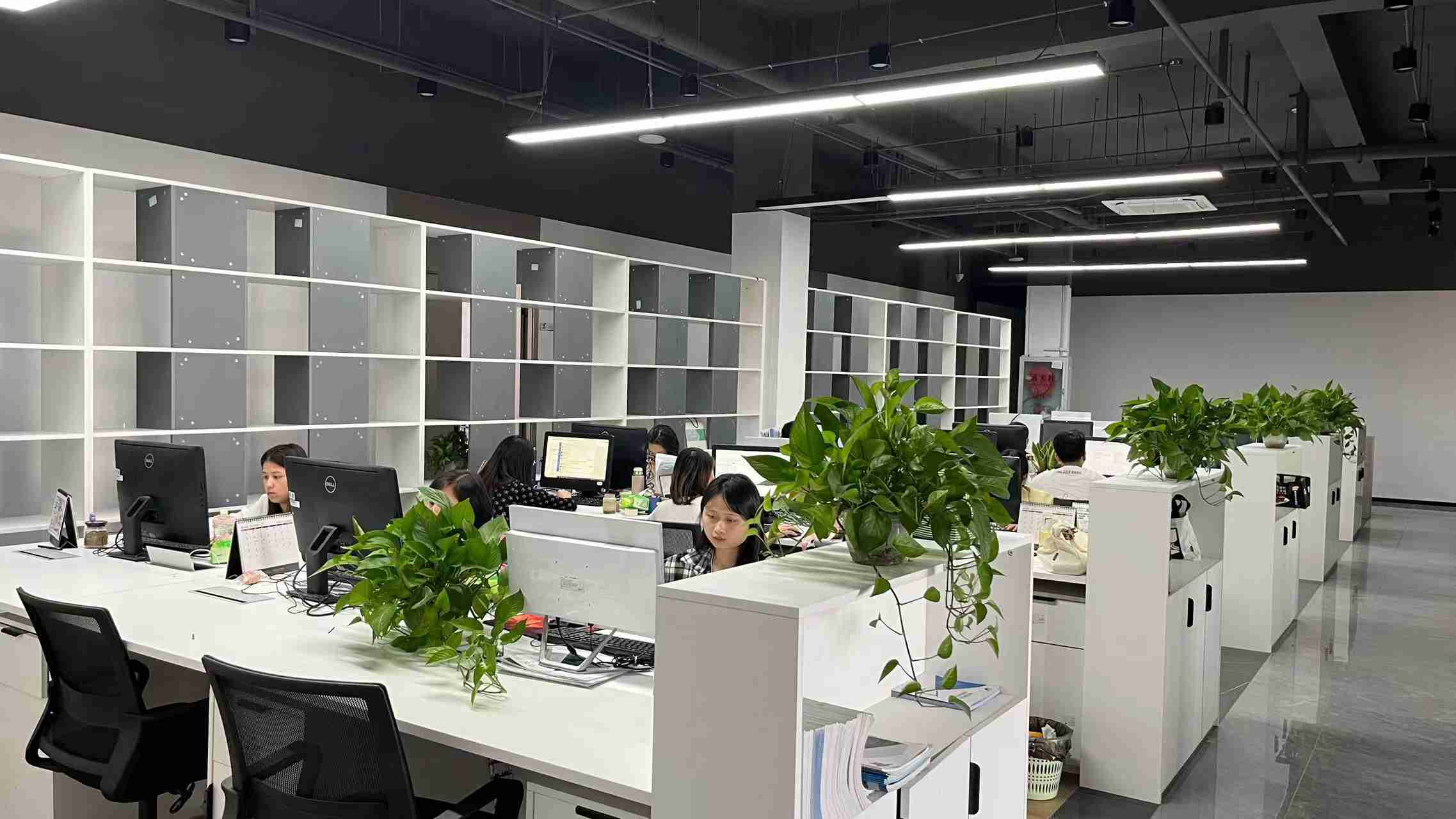
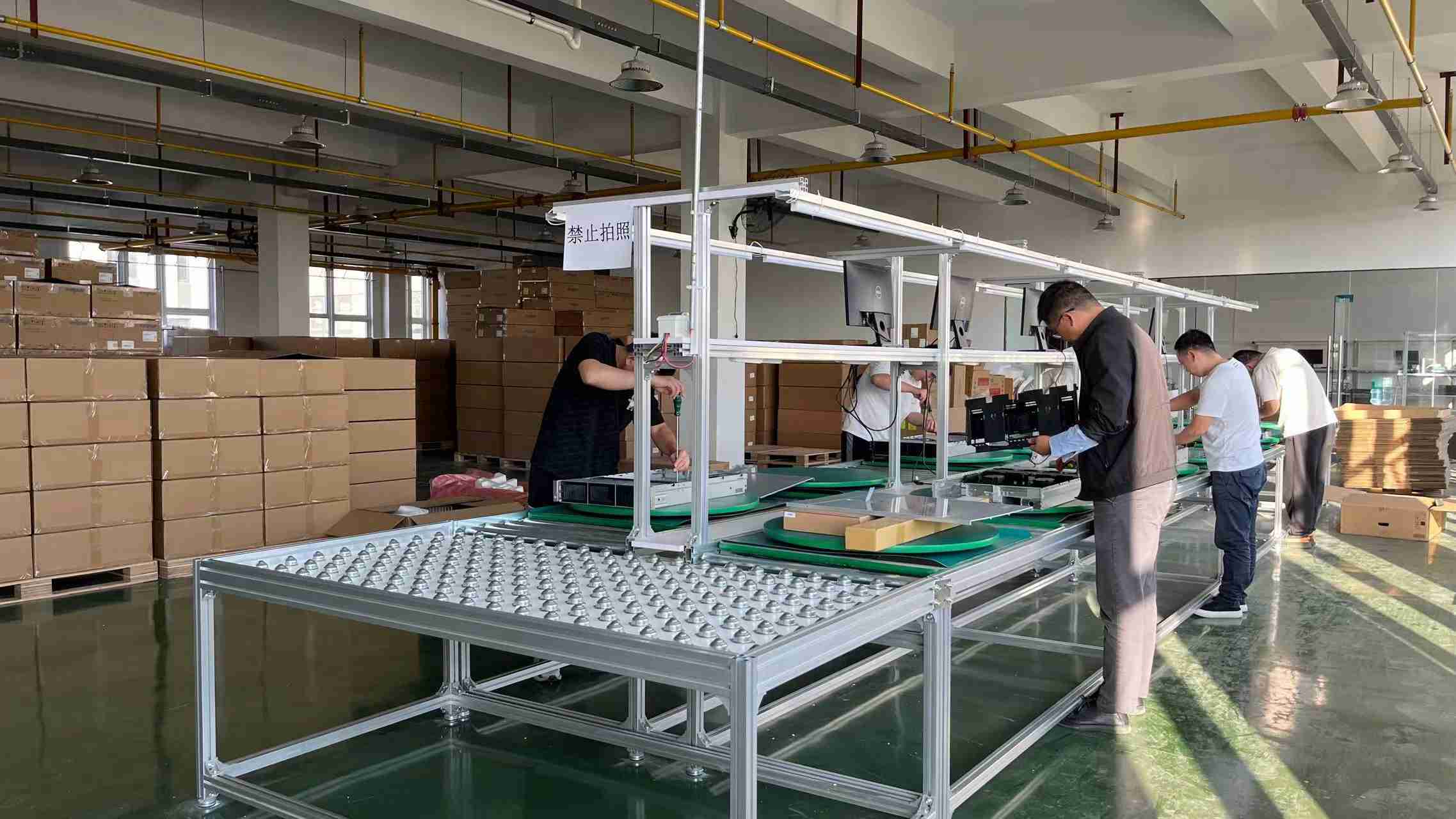
At Aiserveon, we employ a multi-stage quality assurance protocol including IQC (Incoming Quality Control), IPQC (In-Process Quality Control), FQC (Final Quality Control), and OQC (Outgoing Quality Control). Our systems undergo rigorous full-load burn-in testing, automated performance stress testing, and thermal stability validation inside specialized chambers. This is critical for deployments in tropical climates like the Philippines, where ambient room temperatures and humidity put extra strain on server cooling systems.
High-concurrency call centers and voice analytics engines require solid storage buffers to write real-time audio streams without packet loss or drop-off latency.
For local payment integrations and high-volume merchant platforms, in-memory computing systems driven by high-end multi-socket servers minimize query times.
Public sector digitalization initiatives mandate scalable network-attached systems to archive national registry profiles, land records, and civil documents safely.
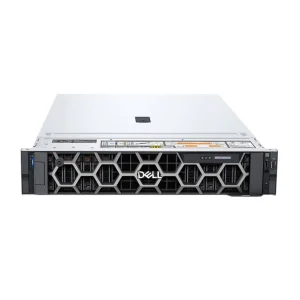
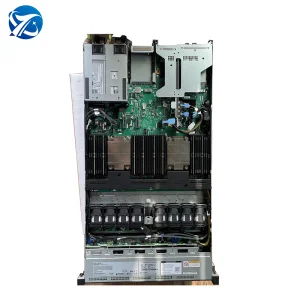
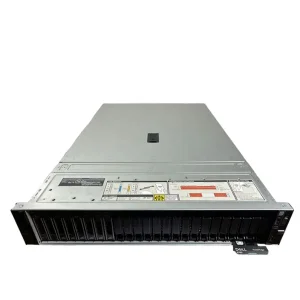
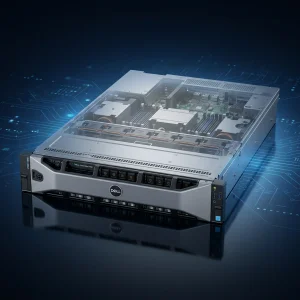
Browse our full lineup of AI-ready hardware, multi-socket high-performance servers, and customized connectivity components optimized for Philippine deployment.
As we move towards the latter half of the decade, storage solutions will no longer be simple data repositories. The rapid expansion of local AI models (such as localized Large Language Models and DeepSeek-based configurations) necessitates a paradigm shift in how storage arrays interface with high-performance computing clusters.
Legacy protocols are increasingly bottlenecking high-speed processing cores. For critical systems across Manila's financial sectors, implementing NVMe-oF allows computing clusters to access storage devices over Ethernet/Fibre Channel networks with latencies that parallel direct PCIe connections.
Most companies in the Philippines adopt a hybrid strategy: storing sensitive user data on-premise in local server configurations, while pushing cold files or public interfaces to centralized cloud backbones. This requires hardware to have integrated virtualization configurations that sync efficiently across multi-cloud networks.
With standard rack capacity requirements climbing towards 30kW and beyond to support high-performance GPUs, traditional air cooling is hitting practical limits. Developing localized liquid loop and hybrid thermal containment strategies in server design will become mandatory to manage operations safely in Southeast Asia's climate.
We offer multiple shipping paths from our manufacturing hub in Shenzhen to Manila, Cebu, and Davao ports. We provide full documentation required for Philippine customs clearance (BOC), and can coordinate via EXW, FOB, or DDP terms depending on your procurement capability.
Aiserveon provides end-to-end customization. This includes custom BIOS settings for specific hypervisors, hardware configuration optimization (custom SSD/RAM sizes), branding overlays, custom chassis faceplates, and thermal optimization for specific server room layouts.
All server memory modules undergo rigorous AQL sampling inspection, dynamic thermal burn-in stress testing, and real-system compatibility validation. Our 45-person QC department ensures that only components that sustain long-duration workloads with zero error codes are shipped out.
We offer 3-year or 5-year hardware replacement warranties. Technical issues are diagnosed online by our R&D engineering team of 85 staff. Replacement components or modular server parts are shipped with priority tracking to resolve infrastructure faults immediately.