Aiserveon
Technical Whitepaper: Architecting Next-Gen Enterprise Infrastructures with V7 Rack Servers
In the rapidly evolving digital landscape, the requirement for raw computational power is surging exponentially. Driven by breakthrough generative AI architectures, distributed machine learning inference, and petabyte-scale storage clusters, enterprises are increasingly moving away from standard, off-the-shelf hardware configurations. Today's computing challenges require specialized platforms that offer high thermal efficiency, extreme hardware density, and strict design execution. The V7 Rack Server architecture represents the current apex of enterprise hardware optimization, bridging the gap between high-performance computing (HPC) demand and efficient data center thermal management.
1. The San Francisco Market: Ground Zero for AI Infrastructure Demands
The San Francisco Bay Area, encompassing the tech hubs of Silicon Valley and the urban startup labs of SoMa, is the global epicenter for artificial intelligence innovation. Startups and tech giants alike are developing foundational large language models (LLMs) and training deep-learning systems that process massive datasets in milliseconds. However, hosting these architectures in urban San Francisco locations presents distinct challenges. Real estate costs are premium, and localized data center facilities are severely constrained by strict municipal power quotas and target PUE (Power Usage Effectiveness) guidelines.
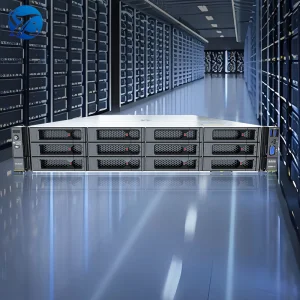
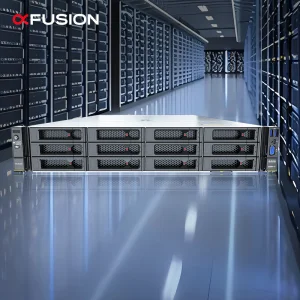
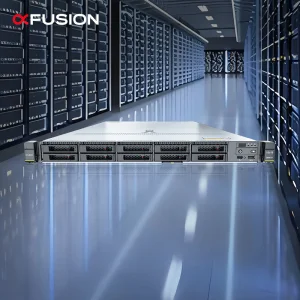
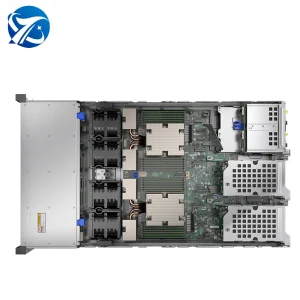
Consequently, local IT procurement officers are no longer just seeking "servers"; they are looking for maximum compute density per rack unit. High-density rack systems, like the V7 1U and 2U platforms, enable companies to pack hundreds of processing cores and advanced NVMe storage arrays into narrow footprints. High-efficiency thermal designs ensure that these setups operate continuously without exceeding the tight cooling capacities of city-based colocation centers.
Strict QA Management
Every V7 system undergoes multi-stage IQC, IPQC, FQC, and OQC verification, including full-load burn-in testing to guarantee zero-defect deployment.
R&D-Driven Engineering
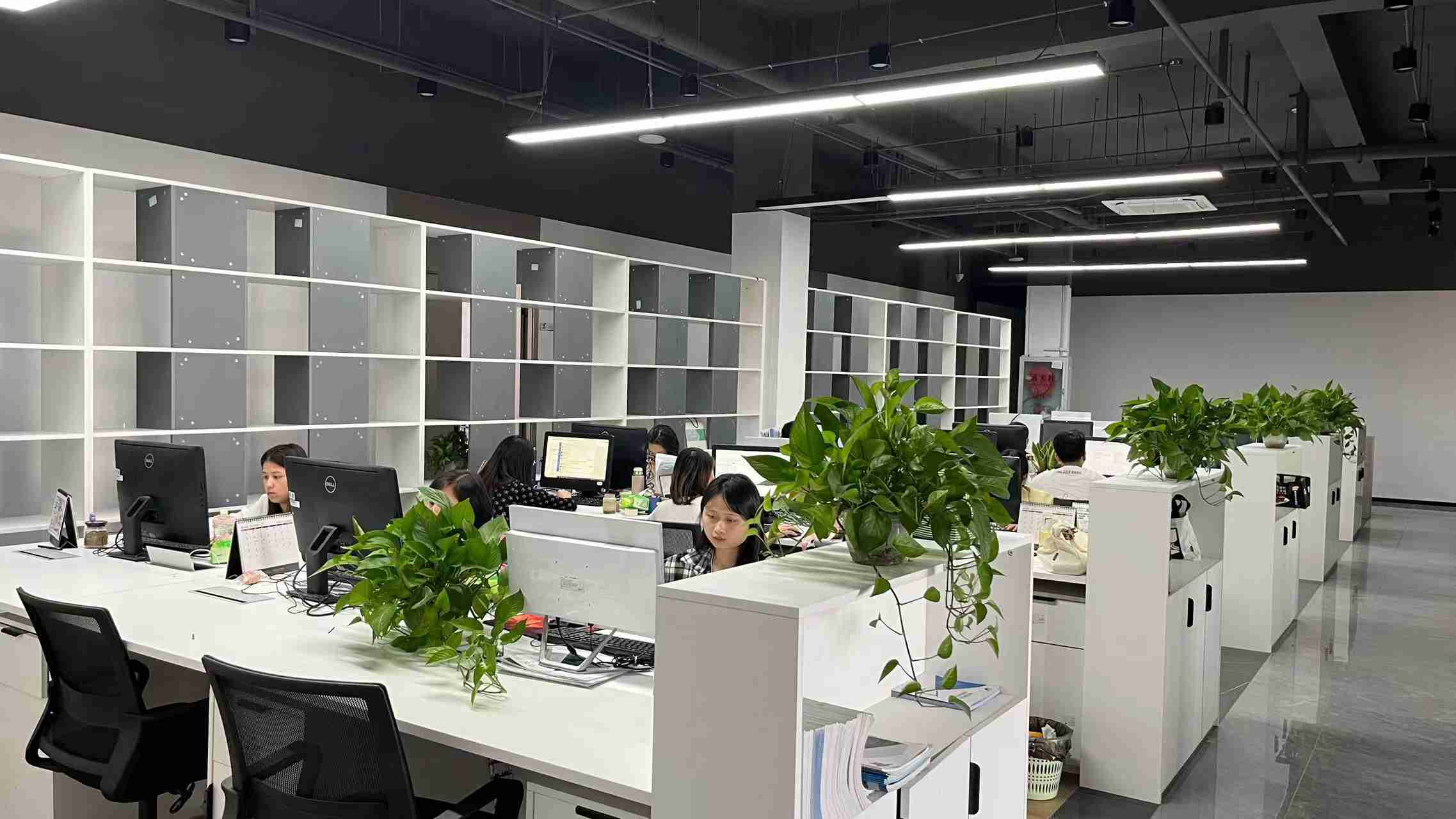
With 85 experienced hardware and system engineers, we customize hardware layouts, BIOS profiles, and cooling arrays for proprietary AI applications.
Global Supply Integration
Leveraging approximately 850 upstream and downstream partners, we bypass hardware shortages to deliver compute capacity on time.
2. Global AI Server Industry Dynamics: Powering the DeepSeek Era
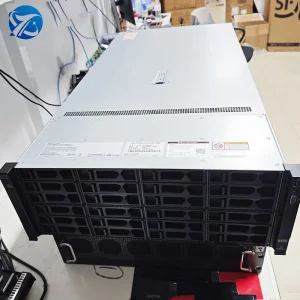
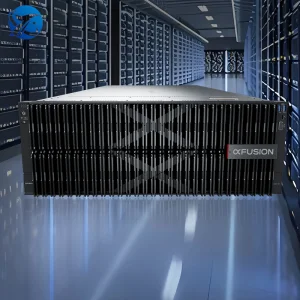
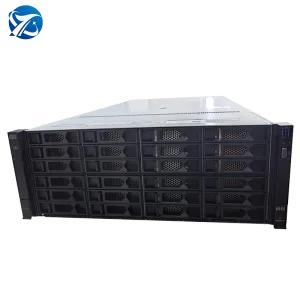
Globally, the server market is witnessing a fundamental transition. The traditional reliance on CPU-bound computing has given way to hybrid processing environments where powerful graphic processing units (GPUs) work alongside next-generation CPUs. AI workloads like DeepSeek R1, Llama, and complex transformer architectures require massive parallel processing pipelines. This has led to high demand for specialized systems like the 2025 AI xFusion FusionServer G8600 V7 8U GPU rack server, which houses multiple high-performance GPUs in a unified server chassis.
Simultaneously, the global enterprise market requires advanced NAS storage systems integrated directly into their compute nodes. Hybrid architectures combining AI GPUs, high-speed network interfaces (supporting 100GbE to 400GbE configurations), and large-capacity NVMe drive pools are the standard requirements for international enterprise procurement. Enterprise data centers are looking to consolidate their application stacks, replacing multi-rack legacy systems with dynamic, multi-socket V7 rack systems that lower operational footprints and TCO (Total Cost of Ownership).
3. Factory Efficiency and Global Export Power of Aiserveon
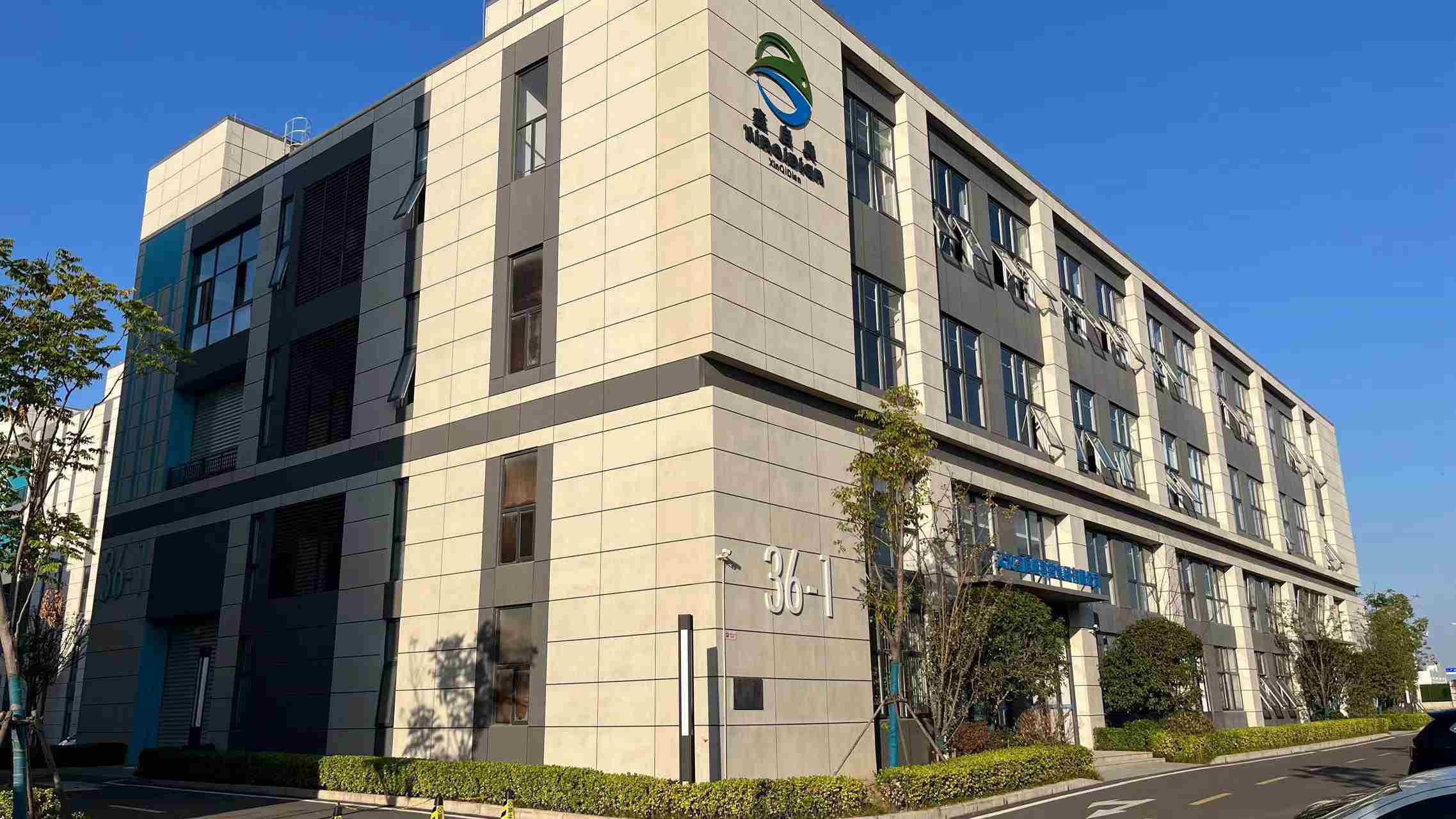
As a premier player in the computing sector, Aiserveon Intelligent Computing Tech Co., Ltd. has designed a highly integrated supply chain strategy to provide cost-effective, high-performance servers to the world. Operating from a modern production infrastructure, we leverage direct access to raw material markets, specialized precision chassis manufacturers, and advanced semiconductor testing laboratories. This ecosystem allows Aiserveon to transition custom requirements from blueprint designs to physical deployment-ready hardware at speeds that traditional legacy OEMs cannot match.
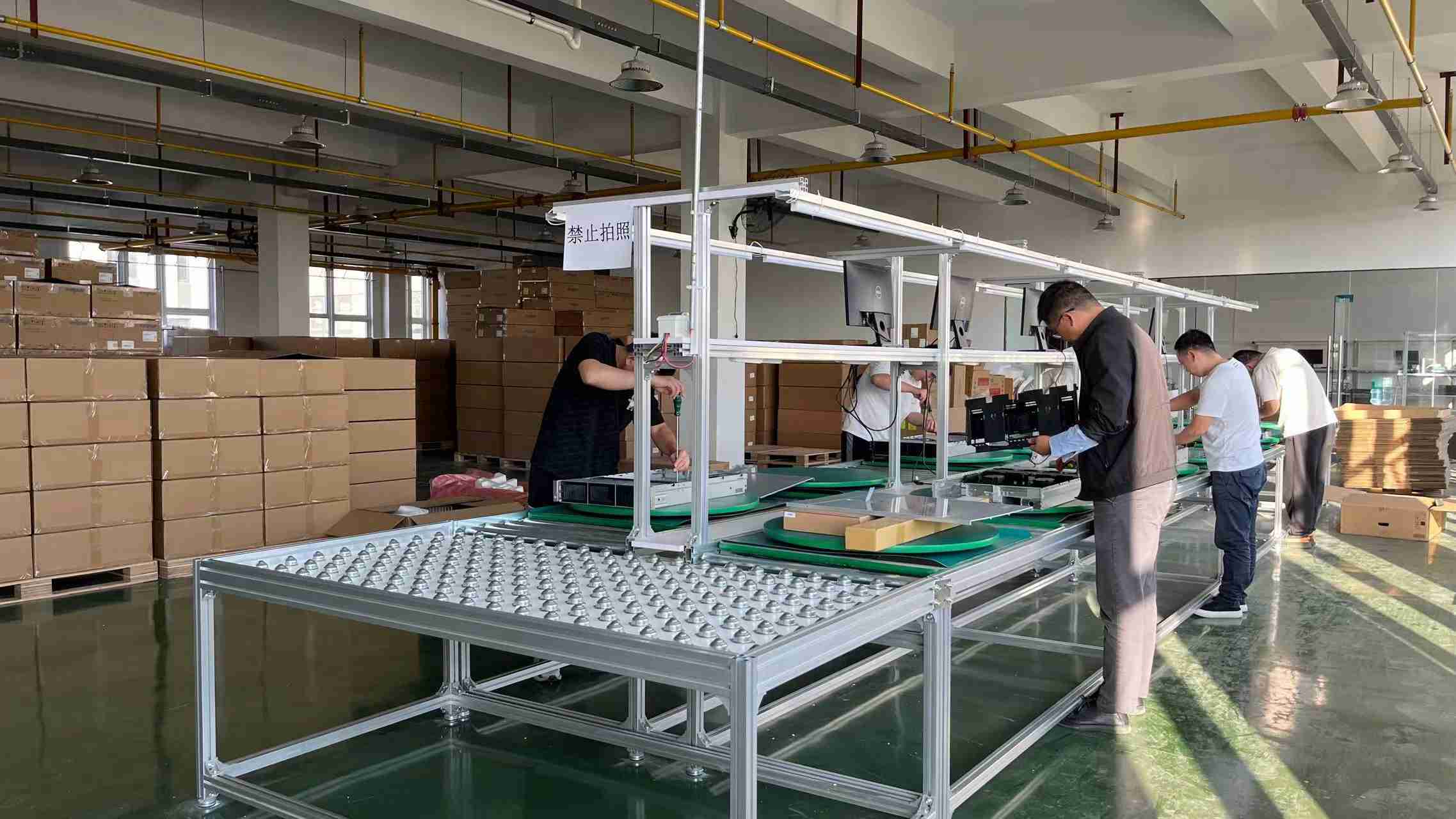
Aiserveon’s manufacturing workflow is governed by strict quality management protocols. Our multi-stage inspection structure incorporates Incoming Quality Control (IQC), In-Process Quality Control (IPQC), Final Quality Control (FQC), and Outgoing Quality Control (OQC). By using advanced diagnostic testing, including full-load thermal burn-in chambers, memory stress testers, and network data integrity audits, we ensure that every system exported to critical markets like North America, Europe, and the Middle East meets strict reliability standards.
4. Modular Customization: Tailoring BIOS, Chassis & Firmware
Unlike traditional manufacturers that offer limited configurations, Aiserveon is structured for custom OEM/ODM builds. We understand that large scale deployments in San Francisco financial networks or university research labs need tailored BIOS layouts to achieve maximum system security and CPU optimization. Our team works directly with engineers to design tailored firmware settings, configure custom baseboard management controller (BMC) properties, and modify physical server chassis layouts to fit proprietary slide rails and rack configurations.
Our ODM design capability also extends to cooling configurations. If a customer is looking to build a high-performance system for machine learning training inside an office environment with limited noise tolerance, our designers can adjust fan speeds, design tailored air cooling cowls, or prepare liquid cooling loops to match their requirements.
5. Deep Technical Comparison: Choosing the Right V7 Node
Selecting the right server framework depends heavily on the planned workloads. The V7 family is divided into specialized design pathways to target varying compute, storage, and processing tasks. To assist procurement managers in choosing the correct model, the table below provides a detailed breakdown of the specifications of key configurations.
| Model Designation | Form Factor | Processor Alignment | Drive Capacity Options | Target Workload Optimization |
|---|---|---|---|---|
| FusionServer 1288H V7 | 1U Rackmount | Dual-Socket Intel Xeon 4th/5th Gen | Up to 4*3.5" or 10*2.5" Drives | Virtualization, High-Density Computing, Localized Edge Computing |
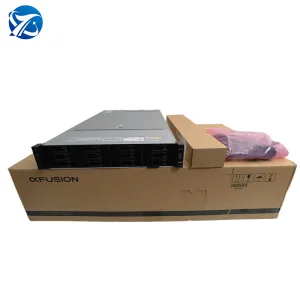
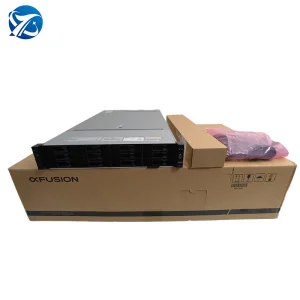
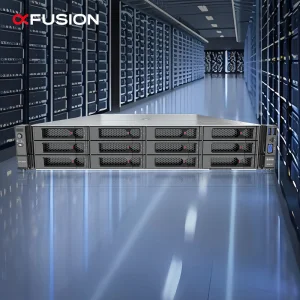
| FusionServer 2258 V7 | 2U Rackmount | Dual-Socket Intel Xeon 4th/5th Gen | 8*2.5" or 12*3.5" NVMe/SATA/SAS | Enterprise Database Hosting, Private Cloud Storage, AI Inference |
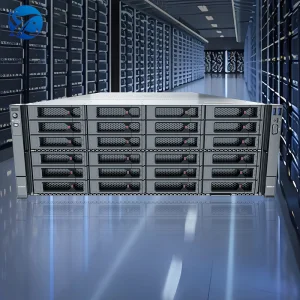
| FusionServer 2288H V7 | 2U Rackmount (High Expandability) | Dual-Socket Intel Xeon 4th/5th Gen | Up to 24*2.5" or 12*3.5" Drives | Hyperconverged Infrastructure (HCI), Hybrid Cloud, Big Data Analytics |
| FusionServer G8600 V7 | 8U Rackmount | Multi-Socket GPU Optimized Platform | 8 to 16 SSD Hot-Swap Bays | Deep Learning Model Training, Large Language Models (LLM), HPC |
6. Localized Application Cases: V7 Servers in the San Francisco Bay Area
To demonstrate the capability of Aiserveon systems under real-world conditions, let's explore three key applications in Northern California:
- San Francisco Fintech Cluster Deployment: A boutique quantitative trading firm located in the Financial District of San Francisco required ultra-low-latency processing nodes to host their automated trading algorithms. By deploying a customized cluster of FusionServer 1288H V7 systems optimized with customized BIOS profiles and high-speed network interface cards, they achieved a significant reduction in transaction times, with improved stability during peak market hours.
- Biotech Genomic Mapping in Mission Bay: A research laboratory focusing on DNA sequencing required massive storage and processing arrays to manage data pipelines. They implemented the FusionServer 2288H V7 Hyperconverged Server featuring high-density 12*3.5-inch drive setups. This integration gave them local processing power right beside their high-throughput sequencers, removing the need for slow, costly cloud uploads.
- Generative AI Training Node in SoMa: An AI startup developing specialized language models deployed the FusionServer G8600 V7 8U GPU Server inside a local colocation center. The massive parallel processing capacity of the system cut their training times from weeks to days, allowing them to iterate fast and pitch to investors ahead of schedule.
Frequently Asked Questions (FAQ)
Learn more about our shipping logistics to the US, configuration customization options, and technological designs for V7 rack servers.
1. What is the typical lead time for custom V7 server orders shipped to San Francisco?
For standard custom configurations, our production lead time at the factory is 7 to 14 working days. Shipping options include air freight (approximately 5-7 days to SFO) or sea freight (approximately 18-25 days to the Port of Oakland), depending on order size and urgency.
2. How does Aiserveon ensure compatibility with third-party operating systems and virtualizers?
Our R&D team verifies our V7 rack systems against key OS distributions, including Red Hat Enterprise Linux, CentOS, Ubuntu Server, VMware ESXi, and Microsoft Windows Server. We flash the appropriate firmware versions to guarantee plug-and-play integration with your existing hypervisors.
3. What customization options are available under your OEM/ODM services?
We offer extensive design customization, including company branding on physical chassis bezel plates, customized BIOS/BMC splash screens, unique expansion card layouts, custom power supply unit (PSU) redundancy configurations, and specialized slide rail packaging.
4. How is the quality of the servers verified before exporting to global markets?
Every single unit goes through a comprehensive diagnostic workflow: a 24-hour high-temperature full-load burn-in test, automated testing of memory banks, data transmission checks on all PCIe lanes, and a complete electrical grounding check. Final inspections are managed by our 45-member Quality Control team using AQL guidelines.
5. Can these servers handle high-density GPU deployment for AI model training?
Yes, our high-density systems like the G8600 V7 8U and 5288 V7 are engineered with dedicated PCIe slots, optimized high-frequency PCB tracks, and high-wattage power supplies (up to 3000W redundant PSUs) to handle power spikes and the thermal loads of multiple high-end AI cards.
Deploy Reliable AI Compute in the San Francisco Bay Area
Aiserveon provides premium, high-density hardware platforms that deliver reliable performance and efficient cooling to scale your computing operations. Contact our engineering team today for a customized system design.
Get a Project Quote Now